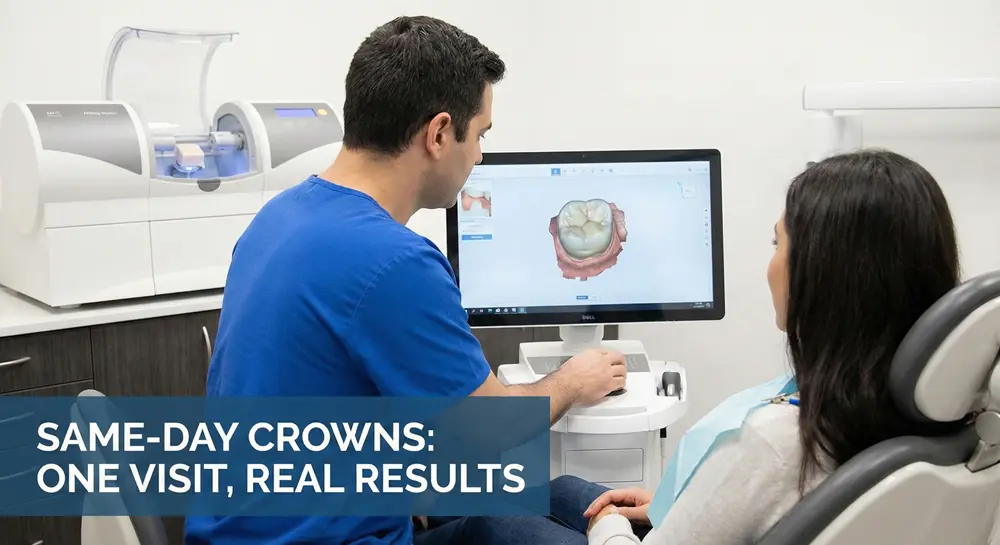
Imagine chewing without favoring one side of your mouth. No temporary crown. No second appointment. No guessing when your final crown will arrive. Same-day dental crowns make that possible by combining digital scanning, in-office design, and precise milling into a single visit.
People often search for “same-day crowns near me” because they want speed. What they usually need, though, is clarity. This guide explains how same-day crowns actually work, when they make sense clinically, when they do not, and how they compare to traditional lab-made crowns—using evidence rather than marketing claims.
What Are Same-Day Dental Crowns?
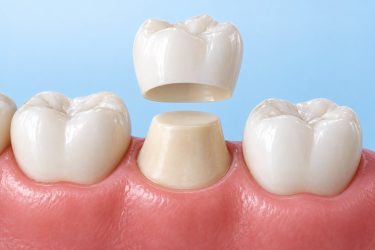
Same-day crowns are custom dental restorations fabricated and placed during a single appointment using computer-aided design and manufacturing. Instead of sending impressions to a dental lab and waiting weeks, the crown is created in-office from a solid ceramic block.
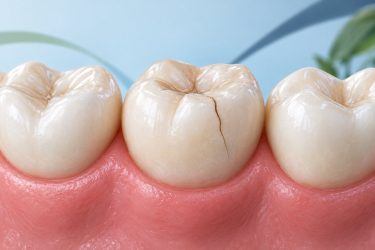
Think of your enamel like a shield that protects the tooth underneath. When that shield cracks or weakens, a crown restores structure and function. Same-day crowns aim to rebuild that shield without interruption.
These crowns are typically made from high-strength ceramic materials designed to balance durability with natural appearance.
The Evolution of Chairside CAD/CAM Dentistry
Chairside CAD/CAM dentistry did not appear overnight. Early systems were introduced in the 1980s and gradually improved in scanning accuracy, material science, and milling precision. Over time, digital impressions replaced physical molds, and ceramic materials evolved to handle real chewing forces.
Today’s CAD/CAM systems routinely achieve marginal accuracy within clinically acceptable microns, supporting predictable outcomes that are comparable to, and in some cases more consistent than, traditional lab workflows.
Behind the Screen: The Science of CAD/CAM Dentistry
To understand why same-day crowns are reliable, we need to look past buzzwords and focus on the actual technology behind them. Same-day crowns are powered by CAD/CAM dentistry, short for Computer-Aided Design and Computer-Aided Manufacturing. This workflow is built around modern chairside CAD/CAM systems used for precise restorative care.
This technology allows crowns to be designed and manufactured with a level of precision that is difficult to reproduce using traditional impression materials and stone models.
The Role of the Intraoral Scanner
The process starts with an intraoral scanner. Instead of impression trays filled with putty, the scanner captures thousands of images per second using structured light. These images are combined in real time to create a three-dimensional digital model of your teeth.
From a technical perspective, modern scanners rely on optical triangulation. Structured light is projected onto tooth surfaces, and the way this light reflects back to the sensor allows the software to calculate precise spatial coordinates. Thousands of data points are stitched together instantly, creating a microns‑precise virtual model of your mouth.
This digital impression is often more accurate than traditional physical impressions because it eliminates several common sources of error:
- Air bubbles trapped in impression material
- Distortion that can occur when impressions are removed from the mouth
- Expansion or contraction of plaster models used in dental laboratories
For patients, the experience feels simple and comfortable. There is no taste, no pressure, and no gag reflex. For clinicians, the benefit is consistent clarity at the crown margin, which supports better long‑term outcomes.
CAD: Designing a Crown That Fits Your Bite
Once the scan is complete, the design phase begins. CAD software analyzes the shape of nearby teeth and how your bite comes together. It proposes a crown that fits into your natural chewing pattern while maintaining proper contact with neighboring teeth.
This step is not fully automated. The dentist reviews the design chairside and makes precise adjustments to margins, contact points, and occlusion. These refinements occur at a microscopic level but play a major role in long-term comfort and crown longevity.
Patients often appreciate being able to see their future crown on the screen before it is made, which helps them understand how the restoration will function as part of their overall bite.
CAM: Precision Milling in Real Time
After the design is approved, the data is sent to an in-office milling unit. Diamond-coated burs carve the crown from a solid ceramic block while water cooling prevents overheating and microfractures.
The milling process typically takes 10 to 15 minutes. Because the crown is carved from a single block of material, it is considered a monolithic restoration. This reduces the risk of chipping compared to layered crowns, where different materials can separate over time.
Precision You Can See: Advanced 3D Imaging
One of the greatest advantages of our same-day crown process is the ability to visualize your dental health instantly. Unlike traditional methods that rely on physical molds or flat 2D x-rays alone, our intraoral scanner generates a high-definition 3D image of your teeth and gums in seconds.
This image serves as the digital blueprint for our CAD/CAM system, delivering two key benefits:
-
Extreme Accuracy: It creates a virtual map of your mouth accurate to the micron. This allows the CAD/CAM software to design a restoration that fits perfectly against your gum line and neighboring teeth, eliminating the gaps often seen with traditional methods.
-
Co-Diagnosis: We display this interactive 3D image on a chairside monitor, allowing you to zoom in and rotate the view. You see exactly what the dentist sees—fractures, decay, or wear patterns—giving you complete confidence in your treatment plan.
Material Science: What Is Your Same-Day Crown Made Of?
Speed often raises concerns about strength. In modern dentistry, that concern is outdated. Today’s same-day crowns are made from advanced ceramics engineered to handle real chewing forces while maintaining a natural appearance.
Lithium Disilicate: Strength with Natural Translucency
Lithium disilicate is one of the most commonly used materials for same-day crowns. It offers a balance of durability and aesthetics that works well for many clinical situations.
From a mechanical standpoint, lithium disilicate has a flexural strength of approximately 360 to 400 MPa. Natural tooth enamel averages closer to 200 MPa. This means the crown itself is often stronger than the tooth structure it replaces.
From an aesthetic standpoint, lithium disilicate allows light to pass through it in a way that closely mimics natural enamel, making it suitable for visible teeth.
Zirconia: Built for High Bite Forces
For patients who grind their teeth or need crowns on molars that handle heavy chewing forces, zirconia may be recommended.
Zirconia has a flexural strength ranging from 800 to 1,200 MPa, making it one of the strongest materials used in dentistry. Modern translucent zirconia blocks offer improved appearance compared to earlier opaque versions.
Hybrid Ceramics: Shock Absorption Where It Matters
In some cases, hybrid ceramics are used. These materials combine ceramic strength with resin flexibility, allowing them to absorb chewing forces in a way that is gentler on opposing teeth. They can be helpful for patients with implants or specific bite patterns.
Sintering and Glazing: The Final Transformation
After milling, many ceramic crowns are initially in a pre‑crystallized state and may appear blue or purple in color. This is normal and intentional. The crown is then placed in a high‑temperature furnace for a process called sintering.
During this cycle, typically lasting around 10–15 minutes at temperatures exceeding 800°C, ceramic crystals fully develop. This transformation gives the crown its final hardness and converts it to the selected natural tooth shade. A final glaze is applied to seal the surface, reduce plaque adhesion, and improve long‑term color stability.
Same-Day Crowns vs Traditional Lab Crowns
If you’re deciding between a same-day crown and a traditional lab crown, the differences come down to time, number of visits, materials, and case complexity. This table breaks it down clearly.
| Feature | Same-Day Crowns | Traditional Crowns |
|---|---|---|
| Visits | 1 | 2 or more |
| Total time | 1–2 hours | 2–3 weeks |
| Temporary crown | Not required | Required |
| Impressions | Digital scan | Physical impression |
| Material options | Ceramic-focused | Ceramic, zirconia, metal |
| Best use | Convenience, moderate cases | Complex shading or structure |
Longevity, Risks, and Failure Patterns
Same‑day crowns usually fail for the same reasons traditional crowns do. Excessive bite pressure, grinding or clenching, cement breakdown, and cracks caused by unsupported tooth structure are the most common contributors.
Failure is rarely about the technology itself. It is about how the crown integrates with the patient’s bite and daily habits. Patients who grind their teeth may benefit from a protective nightguard after crown placement.
Emergency Dental Care
Same‑day CAD/CAM technology can be especially valuable in dental emergencies. If a tooth breaks late in the week, waiting two weeks for a lab‑fabricated crown is not just inconvenient—it can be painful. In many cases, an in‑office digital workflow allows a fractured tooth to be restored with a permanent crown in a single visit, reducing the need for fragile temporary crowns and minimizing ongoing discomfort.
Beyond Speed: 5 Hidden Benefits of Same-Day Crowns
While “saving time” is the most famous benefit of same-day dentistry, the clinical advantages go much deeper. Patients often choose this method not just for convenience, but for the health of their teeth. Here is why this technology is superior:
1. Maximizing Tooth Preservation (Minimally Invasive)
One of the biggest differences between same-day crowns and traditional methods is how much of your natural tooth remains. Traditional crowns often require aggressive filing (removing up to 70% of the tooth structure) to ensure the heavy metal or porcelain cap fits. Because CAD/CAM bonding technology is so precise, we can preserve significantly more of your healthy natural enamel. We practice biomimetic dentistry—meaning we only remove the damaged part of the tooth and bond the ceramic directly to the healthy structure.
-
The Result: A stronger, longer-lasting tooth that is less prone to nerve damage or sensitivity.
2. Say Goodbye to “The Goop” (Impression Material)
For many patients, the worst part of a dental visit is the physical impression—that tray filled with cold, gooey putty that can trigger a gag reflex.
-
The Upgrade: Our digital intraoral scanner takes thousands of photos per second without touching your throat. It is fast, clean, and 100% comfortable for patients with a sensitive gag reflex.
3. No Temporary Crown Hassles
Temporary crowns are fragile. They can fall off while eating, feel rough to the tongue, or cause gum sensitivity while you wait two weeks for the permanent version.
-
The Upgrade: By skipping the temporary phase entirely, you eliminate the risk of swallowing a loose temporary crown or needing an emergency visit to re-cement it. You leave our office with the final, hardened restoration.
4. Real-World Scenarios: When You Can’t Wait
Sometimes, life doesn’t give you two weeks. Same-day crowns are the ideal solution for:
-
Upcoming Events: Weddings, job interviews, or public speaking engagements where you need a perfect smile immediately.
-
Travelers: If you are leaving for a vacation or business trip in a few days, you can’t risk a temporary crown breaking while you are away.
-
Busy Professionals: For those who cannot afford to take multiple half-days off work for dental appointments.
5. Superior Esthetics and No “Black Lines”
Traditional porcelain-fused-to-metal (PFM) crowns often develop a dark gray line at the gum base over time as the metal shows through.
-
The Upgrade: Our same-day crowns are 100% metal-free ceramic. Even if your gums recede naturally with age, the crown edge remains virtually invisible, blending seamlessly with your natural tooth color.
The Patient Experience: A Detailed Minute‑by‑Minute Guide
If you are accustomed to traditional dentistry, a same‑day crown appointment often feels surprisingly different. One of the most noticeable changes patients describe is the absence of what is sometimes called dental fatigue. Because treatment is completed in one continuous visit, there is no temporary crown, no return appointment, and no prolonged period of protecting one side of the mouth.
To help you feel completely at ease, here is what a typical 90‑minute appointment looks like.
0–15 Minutes: Comfort and Preparation
We begin by applying a topical numbing gel before the local anesthetic. Your dentist waits until you are fully numb before starting. Any decay or failing fillings are removed to create a clean, stable foundation for the ceramic crown.
15–25 Minutes: The “No‑Goo” Scan
Next comes the digital impression. You may hear rapid clicking as the scanner captures images. We also scan the opposing teeth to ensure your bite is balanced. This avoids the discomfort and gag reflex often associated with traditional impression materials.
25–60 Minutes: The Intermission
This is where same‑day dentistry stands apart. Instead of leaving with a temporary crown, you simply relax while your crown is designed, milled, and, when indicated, sintered. Many patients read, check messages, or watch a show during this time.
Design and Milling
You can watch the design process on the screen as the dentist marks the crown margins. These margins are critical for preventing plaque buildup and future decay. In the background, the milling unit uses diamond burs and water cooling to carve the crown from a solid ceramic block.
60–90 Minutes: Bonding and Final Check
Once the crown reaches its final strength and shade, it is tried in. Contacts between teeth are checked to prevent food traps, and flossing access is confirmed. The crown is then bonded using specialized cement and cured instantly with a light. Your bite is verified carefully before you leave.
Built‑In Redundancy
If a crown does not meet fit or aesthetic standards, the digital workflow allows it to be re‑scanned, re‑designed, and re‑milled during the same visit—avoiding the delays associated with traditional lab remakes.
Who May Not Be a Candidate
While CAD/CAM technology is highly effective, it is not the right solution for every case. A traditional lab‑fabricated crown may be recommended when fractures extend deep below the gum line, when a single front tooth requires advanced artistic characterization, or when severe bruxism places extreme stress on restorations.
Cost, Insurance, and Aftercare
Same‑day crowns typically cost between $800 and $1,500 per tooth. Insurance coverage often mirrors traditional crowns because the procedure codes are usually the same.
Living with Your New Crown: Comprehensive Aftercare
A common question we hear is, “Do I treat this differently than my real teeth?” The answer is yes and no. While ceramic itself does not decay, the tooth structure underneath it still can.
The First 24 Hours
Sensitivity: Mild sensitivity to hot or cold is normal for a few days. The tooth has undergone significant preparation and needs time to settle. Anti‑inflammatory medication may help if recommended by your dentist.
Diet: Although the crown is fully hardened immediately, the surrounding gum tissue may be tender. Avoid sticky foods and very hard foods during the first day to allow the tissue to heal.
Bite Check: If the tooth feels high or hits first when closing, contact the office promptly. Even small bite discrepancies can cause discomfort or stress on ceramic over time.
Long‑Term Hygiene Strategy
C‑Shape Flossing: Wrap floss in a gentle C‑shape around the base of the crown and slide slightly under the gum line. This is where decay often begins.
Water Flossers: Devices such as water flossers can help flush bacteria from areas standard floss may miss.
Nightguards: For patients who grind their teeth, a custom nightguard is essential. It acts as a shock absorber, protecting both natural teeth and ceramic restorations during sleep.
Considering Dental Crowns or Bridges?
Dental crowns and bridges are designed to restore strength, function, and balance when a tooth is damaged or missing. Whether you need to protect a weakened tooth, replace one or more missing teeth, or stabilize your bite, crowns and bridges offer reliable, long-term solutions. The Gold Coast Dental team evaluates your tooth structure, bite, and overall oral health to recommend the most appropriate option for your situation. Learn more about treatment options, materials, and what to expect on our Dental Crowns & Bridges page.