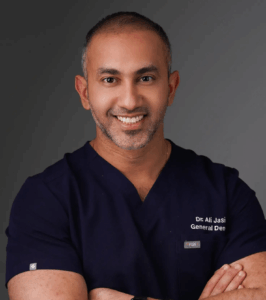
Trusted by Thousands, Across 20 Locations
Most children benefit from an orthodontic screening around age seven. At this stage, we can see:
If we identify a concern, treatment may involve an expander, space maintainer, or limited braces. If no immediate issue exists, we continue monitoring growth.
We initiate treatment based on growth pattern and space conditions, not simply age.
Our team manages early crossbite, crowding, and jaw discrepancies in children during active development stages.

If early intervention is not necessary, we continue monitoring instead of starting treatment prematurely.

Imaging is used when needed to evaluate development clearly while minimizing exposure.

Our patients are at the heart of everything we do. Read their stories and discover how compassionate care and trusted dentistry have made a difference in their smiles.
| Key Consideration | Early Phase 1 Treatment | Waiting Until Adolescence |
|---|---|---|
| Jaw Development | Guides upper and lower jaw relationship while growth is active. | Growth guidance may become limited as bones mature. |
| Space for Permanent Teeth | Creates room before severe crowding develops. | Crowding may increase, sometimes requiring extractions. |
| Crossbite or Underbite | Can correct bite patterns early and reduce uneven tooth wear. | Bite discrepancies may become more pronounced over time. |
| Treatment Duration | Typically 6–12 months for Phase 1, followed by monitoring. | Comprehensive treatment may take longer once all adult teeth erupt. |
| Future Orthodontic Complexity | May reduce the intensity of Phase 2 treatment. | Phase 2 may involve more movement and longer adjustment time. |
| Monitoring Option | Not all children require treatment; some only need observation. | Monitoring continues, but intervention may be more extensive later. |
Important: Not every child needs early treatment. The decision depends on growth pattern, jaw alignment, and space conditions, not age alone.
Jaw bones respond to guidance more easily during growth. When we intervene at the right stage, we can:
- Improve upper and lower jaw coordination
- Create space for incoming permanent teeth
- Reduce risk of impacted teeth
- Lower the chance of extractions later
- Improve bite contact and chewing balance
Waiting is sometimes appropriate. Not every child needs early treatment. The goal is not to treat everyone. The goal is to treat the right cases at the right time.
Signs Your Child May Need an Early Orthodontic Evaluation
You may notice:
- Early or late loss of baby teeth
- Difficulty biting or chewing
- Mouth breathing
- Thumb sucking beyond early childhood
- Teeth that appear crowded or blocked
- Upper teeth that sit inside lower teeth when biting
Even if none of these are obvious, a screening helps rule out hidden concerns.
What Phase 1 Treatment May Include
- Treatment is short-term and focused.
- Palatal expander to widen a narrow upper jaw
- Space maintainer to preserve room after early tooth loss
- Partial braces to align front teeth
- Habit appliances when oral habits affect development
After Phase 1, we enter a monitoring period until permanent teeth erupt fully. If Phase 2 is needed, we plan it at the appropriate time.
When the time comes for comprehensive treatment, options may include traditional braces, Invisalign aligners for teens, and retainers to maintain results after active orthodontic care.
If your child receives an appliance:
Consistency keeps treatment short and effective.
Each child grows differently. We evaluate:
Sometimes the right answer is simply observation. We schedule periodic reviews to track development and intervene only if necessary.


Find quick answers to the most common questions our patients ask.
Professional organisations recommend a first orthodontic check‑up by age seven. At this age, we can identify developing problems and determine whether your child would benefit from early treatment or if monitoring is more appropriate.
Early interceptive orthodontics, also called Phase I, uses gentle appliances like expanders, space maintainers or limited braces to guide a young child’s jaw and tooth development. The goal is to correct problems early and create room for permanent teeth.
A palatal expander fits against the roof of the mouth and gradually widens the upper jaw by applying gentle pressure. Parents or older children turn a key to activate the device a small amount each day until the desired width is achieved.
Most children adapt quickly to expanders or partial braces and feel only mild pressure or soreness for a few days after adjustments. We provide guidance on managing any discomfort with over‑the‑counter pain relievers and soft foods.
Phase I treatments usually last six to twelve months, depending on your child’s needs. Some appliances are worn for only a few months; others may stay in place longer. We’ll let you know what to expect at the start of care.
Interceptive treatment often reduces the complexity or length of future orthodontics, but your child may still need Phase II braces or aligners during their teen years. Phase I creates a healthy foundation for final alignment.
By guiding jaw growth and correcting bite problems early, interceptive treatment can improve chewing, speech and facial balance; prevent trauma to protruding teeth; and minimise the need for extractions or surgery later.
Most orthodontic insurance plans cover Phase I treatment. We’ll verify your benefits, provide a financial breakdown and offer flexible payment options to make care affordable.
We know a great dental experience goes beyond clinical care. Here’s how we make your visits comfortable and stress‑free.
We’re open seven days a week with evening and weekend appointments at multiple locations. Same‑day visits are available so you never have to wait for relief.
High‑quality dental care should be within reach. We accept most PPO and many HMO plans, offer interest‑free payment plans and have in‑house specials for new patients.
Our modern offices feature state‑of‑the‑art technology, comfortable treatment rooms and entertainment options to help you feel at ease throughout your visit.
Book now and save with our limited‑time offers:
Free X‑rays, exam and consultation. New patients only.
PPO, HMO, or no insurance?
We help you understand your available options before treatment begins. We work with most major PPO and HMO plans. If you don’t have insurance, we explain in-house financing, installment plans, and current new-patient offers, including our $49 new-patient special.
Our dental offices are typically open 8 AM – 7 PM, including weekends.
Hours may vary by location. Check the location page or call us to confirm availability.
Use my location to find the closest Service Provider near me
اگر شما به زبان فارسی صحبت میکنید و به دنبال دندانپزشک فارسی زبان هستید، کلینیک دندانپزشکی Gold Coast Dental آماده ارائه خدماتی مانند دندانپزشک اورژانس، ایمپلنت، ارتودنسی و زیبایی دندان با انواع بیمه به شماست.
Si usted habla español y está buscando un dentista que hable su idioma, la clínica dental Gold Coast Dental ofrece servicios como emergencias dentales, implantes, ortodoncia y estética dental con diferentes seguros.
한국어를 사용하시고 한국어 가능한 치과를 찾고 계시다면, 골드코스트 덴탈 치과 클리닉은 응급치료, 임플란트, 교정 및 미용 치과 서비스를 다양한 보험과 함께 제공합니다.
如果您说中文并正在寻找讲中文的牙医,Gold Coast Dental 牙科诊所提供紧急牙科、种植牙、牙齿矫正和美容牙科服务,并接受各种保险。
日本語を話される方で日本語対応の歯科医をお探しであれば、Gold Coast Dental 歯科クリニックでは救急歯科、インプラント、矯正歯科、美容歯科など、各種保険対応のサービスを提供しています。
Please call (562) 242‑1411 or find your nearest dentist here.