Dental implant longevity is the big question patients ask first, and it’s a smart one—especially if you’re comparing options and searching “Dentist in near me.” Gold Coast Dental serves communities across California and Texas, so you can find your nearest location and talk with an implant-trained dentist about your plan.
| Value | Description |
|---|---|
| 96.4% | 10-year implant survival (meta-analysis) |
| ~80% | 20-year survival (pooled estimate) |
| 2.4× | Higher failure odds with smoking |
| ≤ 1–1.5 mm | Typical first-year bone loss benchmark |
What is a dental implant?
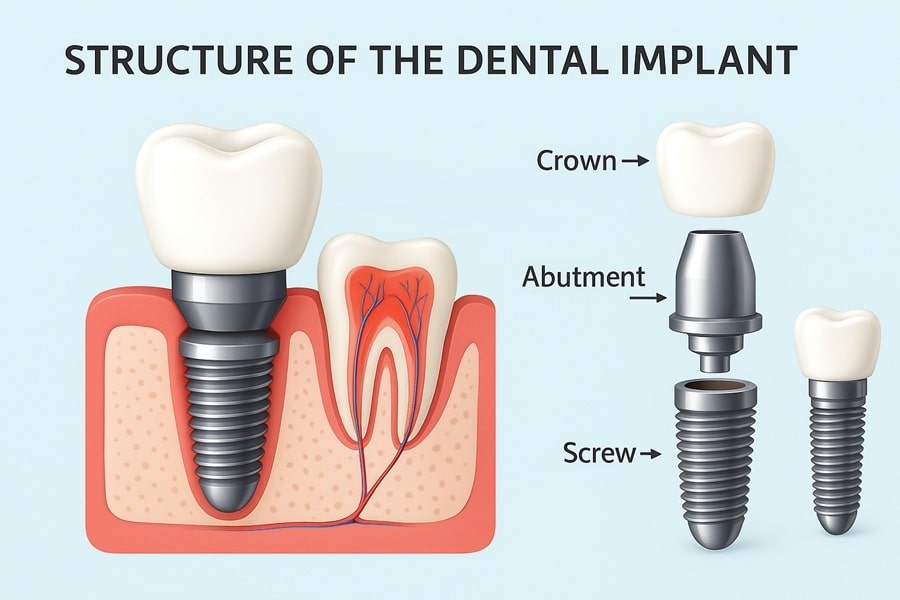
An implant is a small titanium or zirconia post placed in the jaw to act like a new root. A crown, bridge, or denture connects on top so you can chew and smile with confidence. The post bonds to bone (osseointegration), which is why it feels steady and natural.
Today’s systems use precise surfaces and micro-threaded collars to help soft tissue seal and reduce early bone loss. That design supports long-term function.
Dental implant longevity: evidence at a glance
Dental implant longevity looks strong in high-quality studies and real-world data.
- 10-year survival: pooled estimate ~96.4% at the implant level (95% CI 95.2–97.5%).
- 20-year view: pooled data suggest about 4 out of 5 implants still functioning.
- Mechanical issues: screw loosening and veneer chipping rise over time; true implant fracture is uncommon at 5 years.
Dental implant longevity: what to expect at your visits
Dental implant longevity improves when you pair home care with steady professional visits.
- Checkups every 6–12 months; sometimes every 3–4 months early on.
- Yearly X-rays (or as advised) to watch bone levels and threads.
- Cleaning with implant-safe tips and scalers to protect surfaces.
- Bite checks to reduce overload from grinding or clenching.
Dental implant longevity: simple care checklist
Dental implant longevity depends on a few daily habits done well.
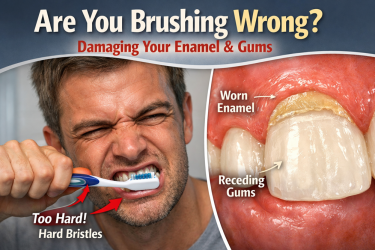
- Brush gently twice a day with a soft brush or a quality power brush.
- Clean between teeth with super floss, threaders, or soft interdental picks.
- Use a water flosser on low as an add-on, not a substitute.
- Keep gums calm; call us if you see bleeding, swelling, or soreness.
- Wear a night guard if you grind; that spreads stress and protects parts.
How does the process work and what will I feel?
You’ll meet with an implant-trained dentist for imaging and planning. Some people need bone grafting first. Placement is done with local anesthesia; most people describe pressure, not pain. Healing takes a few months while the post bonds to bone. A custom crown or bridge is then attached.
Most go back to normal routines quickly. Mild soreness is common for a day or two and is handled with cold compresses and short-term medication.
why choose implants vs bridges or dentures?
Implants don’t require filing healthy neighbor teeth, and they help preserve bone height. Bridges and partials can work well, but they often need more maintenance down the line.
| Option | Typical lifespan | Bone support | Common upkeep |
|---|---|---|---|
| Single dental implant | 20–40+ years; often lifetime | Preserves bone where placed | 6–12 month visits; clean daily; night guard if grinding |
| Fixed bridge | 10–15 years | No stimulation under pontic | Check margins; floss threaders; crown repairs |
| Removable partial denture | 5–10 years | Bone loss likely over time | Relines; clasp repairs; periodic remake |
Can dental implants really last a lifetime?
Yes, many do. Think of the implant like a solid “anchor” and the crown like the part you see. The anchor can last decades with steady care; the top piece may need a refresh after many years due to normal wear. Your routine and gum health make the real difference.
Different Factors Affecting Dental Implants Longevity
1. Oral hygiene and daily care
Keeping the area clean is key. Brush twice a day with a soft brush, use floss or an interdental cleaner, and visit your hygienist regularly. Staying consistent helps prevent gum inflammation and bone changes around the implant.
2. Overall health and medical conditions
Conditions such as diabetes, heart disease, or low bone density can influence healing. When these are well controlled, implant success rates stay high and bone support remains steady.
3. Smoking and lifestyle choices
Tobacco slows healing and raises the chance of implant loss. People who quit or reduce smoking often see stronger, longer-lasting results.
4. Bite force and everyday habits
Clenching, grinding, or using teeth to open packages can stress the implant and its crown. Wearing a night guard if you grind helps share pressure evenly and protect your restoration.
5. Surgical precision and follow-up care
The dentist’s skill during placement plays a major role. Precise alignment, correct depth, and steady follow-up visits help the bone and implant fuse securely, supporting decades of use.
What maintenance do implants require?
Keep it steady: brush twice daily, clean between teeth, add a water flosser if you like, and keep your 6–12 month visits. If you had gum disease in the past, you may need more frequent cleanings to guard bone health.
Do implants need special cleaning tools?
Most people do well with a soft brush, low-abrasive paste, super floss or threaders, and soft picks. Your hygienist may suggest implant-specific tips that reach under the crown edges without scratching parts.
Does smoking affect implant longevity?
Yes. Smoking increases early failure risk and raises the chance of gum inflammation around implants. Cutting back—and ideally quitting—helps healing and long-term success.
How often should I see the dentist with implants?
Plan on every 6–12 months, with an X-ray around once a year unless your dentist suggests a different rhythm. If you notice bleeding, soreness, or a change in bite, come in sooner.
Bone quality, home care, checkup frequency, bite forces, prior gum disease, and smoking play the biggest roles in dental implants’ lifespan. Good control of general health (like diabetes) helps the bones stay stable. – Dr. Boval
Do dental implants last forever
Many last a lifetime, but no treatment is truly “forever.” The post can last for decades; the crown may need replacement over time from normal wear.
What foods turn dental implants yellow/brown?
Staining drinks (coffee, tea, red wine) and sauces can tint the crown surface. Unlike enamel, the crown won’t bleach, so keep up cleanings and polish visits if you love dark beverages.
What should you not chew with dental implants?
Avoid ice, very hard candy, and opening packages with your teeth. Spread pressure across both sides when eating very crispy foods.
Will implants crack or break when you eat nuts?
Normal nut chewing is fine for a well-made implant and crown. If you clench hard or the bite is off, parts can loosen or chip. A night guard helps if you grind.
Does chewing gum shorten the life of implants?
Sugar-free gum is generally fine. If you have a large bridge on implants, long sessions of tough, sticky gum can stress connectors—moderation is smart.
Does the body reject implants as foreign matter?
Titanium is biocompatible and widely accepted. Early failure usually relates to healing or infection, not classic “rejection” like an organ transplant.
Which one has the longest life span: American, Chinese, Spanish, or Korean implants?
Longevity depends more on design, surface quality, surgical skill, hygiene, and bite forces than the country of origin. Choose a system your dentist trusts and that has strong clinical data and parts support.
Preparation & aftercare tips
Before placement
- Share full medical history and meds.
- Stop smoking if possible; even a pause helps.
- Treat active gum issues first.
- Discuss night guard if you grind.
Right after placement
- Soft foods; chew away from the site.
- Rinse gently; no forceful spitting.
- Use any prescribed rinse as directed.
- Call if you see swelling, pus, or fever.
Costs, insurance, and smart planning
Costs vary with site, bone grafting, and the type of restoration. We’ll outline your plan and payment options before you start. If you’re comparing implants with a bridge, weigh lifespan and bone health as part of total value, not just the first bill.
People usually ask
- “How long do dental implants last?” — Often decades; many last a lifetime.
- “Do I need a special toothbrush?” — Soft bristles or a power brush work well.
- “Can I floss around implants?” — Yes; super floss and threaders help.
- “Do I qualify if I had gum disease?” — Often yes once gums are stable.
Ready for a clear plan? We’ll map your options, from a single tooth to full-arch care. Gold Coast Dental has 20 locations across California and Texas—check our locations page to book at the spot that fits your schedule.
Finally: your next step
With dental implant longevity top of mind, a simple routine—clean daily, protect your bite, and keep regular visits—goes a long way. If you’re comparing options or want a second opinion, find your nearest Gold Coast Dental location, then call us now or book a session. Want to explore the neighborhood side of care? Check our local guide to read more about dental care in your area.