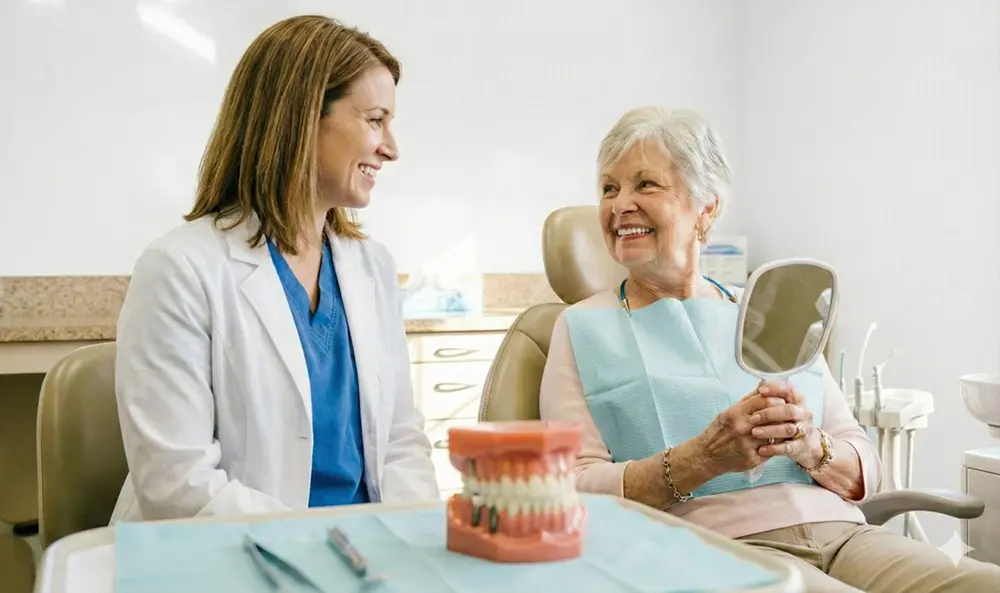
Affordable dental implants for seniors are a practical tooth replacement option for older adults who want long-term stability without relying on removable dentures. Across many communities, seniors often search for “affordable dental implants near me” because they are concerned about age, health conditions, or fixed retirement income. This guide explains how modern implant dentistry works for seniors, what treatment options exist, and how implants compare with bridges and dentures.
What are affordable dental implants for seniors?
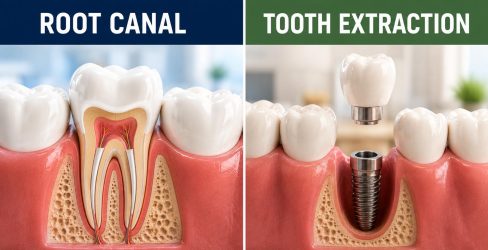
Affordable dental implants for seniors are permanent tooth replacement solutions designed to restore chewing strength, stability, and jawbone support in older adults. A dental implant is a small post made from medical-grade titanium or zirconia that is placed into the jawbone and used to support a crown, bridge, or denture.
Once healed, the implant functions like a natural tooth root. Clinical studies published in Clinical Oral Implants Research report survival rates above 90% after ten years, with many implants lasting 20 years or longer when oral health is maintained.
Are affordable dental implants for seniors safe after age 65?
Affordable dental implants for seniors are considered safe for patients over 65 when medical conditions are properly evaluated. Research shows implant success rates in older adults closely match those seen in younger patients. Age alone does not reduce implant predictability.
Common conditions such as diabetes, heart disease, or osteoporosis are reviewed before treatment. With proper planning and coordination, implants remain a reliable option for many seniors. Sedation options are also available for comfort during treatment. You can read more in our overview of sedation dentistry.
Why do dental implants matter more for seniors than dentures?
Affordable dental implants for seniors address problems that traditional dentures cannot fully solve. Dentures rest on the gums and may shift during eating or speaking. Over time, this pressure can contribute to jawbone loss.
Implants connect directly to bone, helping maintain facial structure and improve chewing efficiency. Studies in Periodontology 2000 show implant-supported restorations reduce bone loss and improve long-term oral function compared with conventional dentures.
Which types of affordable dental implants for seniors are available?
Affordable dental implants for seniors are available in several configurations, allowing treatment to match bone condition, function, and budget:
- Single dental implants: Replace one missing tooth using one implant and a crown. Typical cost ranges from $3,000–$5,000 per tooth.
- Mini dental implants for seniors: Narrow implants often used when bone width is limited or to stabilize dentures. They involve less surgery and lower initial cost.
- All-on-4 dental implants for seniors: Four implants support a full arch of teeth, often allowing same-day temporary teeth and avoiding bone grafting.
- Implant-supported overdentures: Removable dentures secured to two to four implants for improved stability and comfort.
What does the dental implant procedure look like for seniors?
Affordable dental implants for seniors follow a predictable, step-by-step process:
- Evaluation and planning: Digital imaging and medical review assess bone quality and overall health.
- Implant placement: Implants are placed using local anesthesia or sedation for comfort.
- Healing period: Bone bonds to the implant over several months. With All-on-4, temporary teeth may be placed the same day.
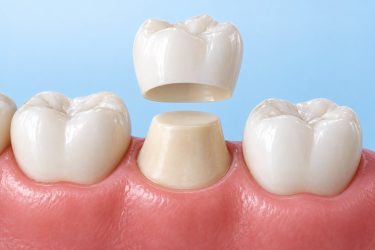
- Final restoration: A custom crown, bridge, or denture is secured once healing is complete.
Patients comparing alternatives can review differences in function and longevity in Dental Implants vs Bridges.
How do affordable dental implants for seniors compare in risks and benefits?
Affordable dental implants for seniors improve chewing strength, speech clarity, and stability. They do not rely on adhesives and help prevent nearby teeth from shifting.
Risks include infection, delayed healing, or implant failure, especially for smokers or patients with uncontrolled health conditions. Large long-term studies published in the International Journal of Oral and Maxillofacial Implants continue to report survival rates above 90% when proper care guidelines are followed.
Dental implants before and after for seniors
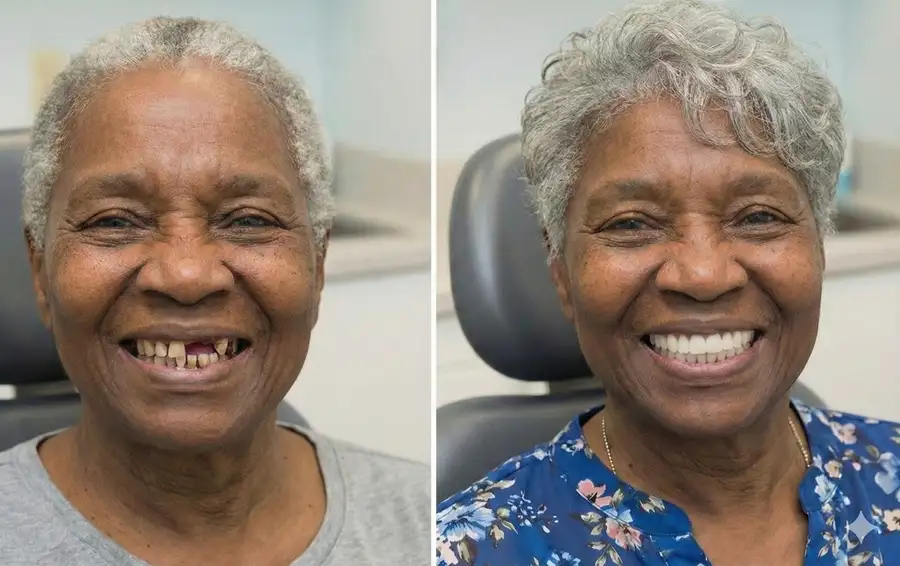
How affordable dental implants for seniors work across our 23 locations
Affordable dental implants for seniors are planned using the same clinical standards across all 20 of our dental offices in California and Texas. While individual treatment plans vary based on bone condition, medical history, and personal goals, the evaluation process, imaging protocols, and safety guidelines remain consistent across locations.
This network-based approach allows seniors to receive predictable care, clear treatment planning, and coordinated follow-ups regardless of which office they visit.
What financing options exist for affordable dental implants for seniors?
Affordable dental implants for seniors often become manageable through careful planning rather than one-time payment:
- Partial insurance coverage may apply
- Monthly payment plans and financing options
- HSA and FSA funds can be used
- Treatment can be completed in phases
Ready to take the next step?
If you or a loved one are considering affordable dental implants for seniors, the team at Gold Coast Dental is here to help. With 23 locations across California and Texas, we provide implant care designed for comfort, stability, and long-term function.
Call our team today: (562) 242-1411
Or visit our locations page to find the office closest to you and request an appointment online.
Affordable dental implants for seniors can help restore comfort, confidence, and everyday function.