Trusted by Thousands, Across 23 Locations
All-on-4 Dentures
Fixed Full-Arch Teeth Supported by Four Implants — Phone Support Available 24/7
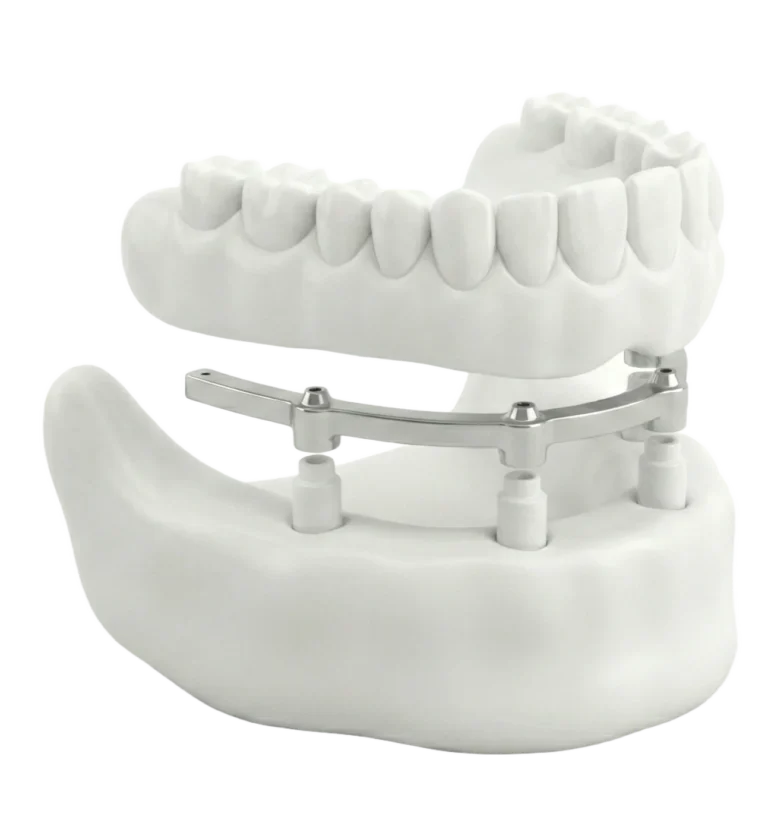
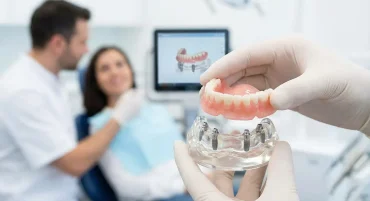
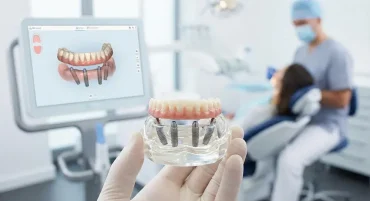
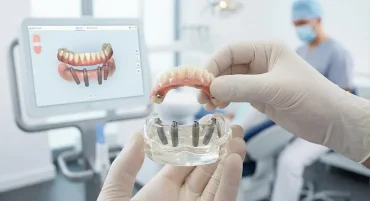
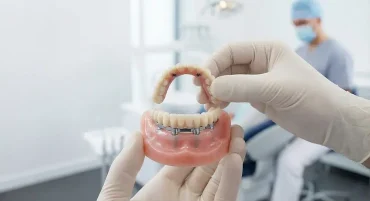
When most teeth in one jaw can no longer be saved, a removable denture is not the only option. All-on-4 uses four strategically positioned dental implants to support a full set of fixed teeth. The restoration stays in place, allowing steady chewing, clearer speech, and a more secure bite compared to traditional dentures.
When most teeth in one jaw can no longer be saved, a removable denture is not the only option. All-on-4 uses four strategically positioned dental implants to support a full set of fixed teeth. The restoration stays in place, allowing steady chewing, clearer speech, and a more secure bite compared to traditional dentures.
Open weekends including Sundays (hours vary by location).
- Longevity & Survival
Published clinical reviews report high mid-term survival for four-implant full-arch restorations. Implant survival commonly ranges between 94–98% over follow-up periods of 6–11 years. Short-term prosthesis survival at one year approaches 99%. Five-year outcomes appear comparable between four-implant and six-implant full-arch designs in several large cohorts. - Cost Range
Full-arch treatment typically ranges from $20,000 to $40,000 per arch in 2026-2027. Final fees depend on restorative material, surgical complexity, and whether additional procedures are required. In many cases, using four implants instead of six or more can reduce overall surgical and laboratory cost. - Graft Considerations & Immediate Teeth
Posterior implants are often angled up to 45° to engage available bone in the anterior region. This design may reduce the need for sinus grafting in appropriate cases. Many treatment plans include placement of a temporary fixed bridge on the day of surgery. - Typical Candidates
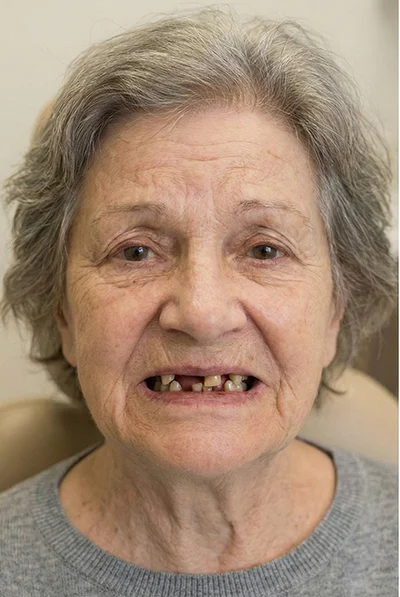
All-on-4 is often considered for patients missing most or all teeth in one arch, including those with moderate bone loss. Case selection, systemic health, bite forces, and long-term maintenance habits influence outcome stability.