How to Brighten Your Smile Without the Fake Look
Most people want whiter teeth. Fewer people want teeth that look artificial. The difference between a healthy, natural-looking smile and an over‑bleached one usually comes down to understanding how whitening actually works and knowing when to stop.
Natural-looking teeth whitening is not about reaching the brightest shade on a chart. It is about improving color while preserving enamel texture, translucency, and harmony with your face. In this guide, we explain how whitening works, which options are safest, what popular trends really do to your enamel, and how to maintain results without damage.
This article is written for patients who want clarity, not hype. If you are looking for realistic expectations and practical guidance, you are in the right place.
Who This Whitening Guide Is Designed For
This guide is for people who want visible improvement without sacrificing realism or long-term oral health. It is especially useful if you:
- Want brighter teeth that still look natural in photos and daylight
- Have tried whitening before and felt the results looked flat or artificial
- Experience tooth sensitivity and want safer options
- Are comparing professional whitening with at-home products
- Are planning cosmetic dental work and want whitening to fit naturally into the plan
If you are unsure which whitening approach fits your needs, a professional evaluation is often the best starting point. You can review available treatment options through the dental services section of our site.
Why Teeth Change Color Over Time
Tooth discoloration does not happen for one single reason. Understanding the cause matters because different stains respond differently to whitening.
Extrinsic Stains: Surface Discoloration
Extrinsic stains develop on the outer enamel surface. Common causes include:
- Coffee and tea
- Red wine
- Dark berries
- Tobacco use
- Inconsistent oral hygiene
These stains usually respond well to whitening because they sit close to the enamel surface.
Intrinsic Stains: Internal Color Changes
Intrinsic stains occur inside the tooth structure. They may be caused by:
- Natural aging
- Tooth trauma
- Certain medications
- Developmental conditions
Intrinsic discoloration can still improve with whitening, but results tend to be slower and depend on enamel thickness and tooth health.
Dehydration, Rehydration, and Why Teeth Look Too White at First
One of the most misunderstood aspects of whitening is dehydration.
Whitening agents such as hydrogen peroxide and carbamide peroxide work by oxidizing stain molecules. During this process, the enamel temporarily loses moisture. Dehydrated enamel reflects light differently, making teeth appear chalky or overly bright.
Think of enamel like a protective shield with microscopic pores. When it dries out, it looks pale and flat. Once saliva rehydrates it, light passes through more naturally, revealing a softer and more realistic shade.
Quick answer: Teeth often look whiter immediately after whitening because they are dehydrated. The final shade appears within 24 to 48 hours as the enamel rehydrates.
This is why gradual, controlled whitening tends to produce more stable and natural-looking results.
How Natural-Looking Whitening Actually Works
Natural-looking whitening focuses on balance rather than extremes. The goal is to lift stains while preserving:
- Enamel translucency
- Natural edge shading
- Harmony with skin tone and eye color
Chemical whitening lightens teeth by breaking down stain molecules. It does not scrub enamel. This distinction is critical for both safety and appearance.
Professional whitening methods allow control over concentration, exposure time, and hydration. Over-the-counter products vary widely in quality and risk.
Food-Based Whitening Support: What You Eat Matters
Daily habits can support a cleaner, brighter appearance even before whitening treatments begin.
Detergent Foods: Nature’s Mechanical Cleaners
Certain crisp foods help clean teeth as you chew:
- Eat: Apples, celery, cheddar cheese (detergent & mineralizing).
- Drink: Water immediately after coffee or red wine.
- Avoid: Sipping dark drinks slowly over hours (this bathes teeth in stain).
Their fibrous texture gently cleans the enamel surface and stimulates saliva, which helps neutralize acids and wash away food particles.
Mineralizing Foods: Supporting Enamel Strength
Foods rich in calcium and phosphorus help strengthen enamel:
- Cheese
- Yogurt
- Milk
Hard cheeses also provide mild mechanical cleaning. Stronger enamel reflects light more evenly, contributing to a brighter appearance over time.
These habits support whitening but do not replace professional treatment.
Professional Whitening Options Compared
The following table compares common whitening approaches with a focus on natural appearance and enamel safety.
| Whitening Method | Natural-Looking Result | Control Over Shade | Enamel Safety | Sensitivity Risk | Typical Longevity | Best Use Case |
|---|---|---|---|---|---|---|
| Custom take-home trays (dentist-made) | Very high | High | High | Low to moderate | 1–2 years with touch-ups | Subtle, realistic whitening |
| In-office whitening (LED / Zoom) | High after rehydration | Moderate | Moderate | Moderate | 6–12 months | Fast improvement for events |
| Over-the-counter strips | Moderate | Low | Moderate | Moderate | 3–6 months | Mild whitening on a budget |
| Oil pulling | Low | None | Very high | None | Ongoing | Oral hygiene support |
| Charcoal toothpaste | Low | None | Low | Low initially | Short-term only | Occasional stain removal |
| Baking soda and DIY mixes | Low to moderate | None | Low to moderate | Low | Short-term | Infrequent use only |
Custom Take-Home Whitening Trays
Custom trays are fabricated using molds of your teeth. You apply a professional-grade gel at home over one to two weeks.
Why they look natural:
- Gradual shade change
- You stop when you reach your desired color
- Custom fit reduces gum irritation
This option is often recommended for patients who want subtle enhancement without dramatic contrast. It is not ideal for untreated decay, exposed roots, or active gum disease, which should be addressed first.
In-Office Whitening
In-office whitening uses higher concentrations of peroxide under protective barriers.
Advantages:
- Immediate visible results
- Useful before special events
Limitations:
- Initial brightness partly reflects dehydration
- Higher likelihood of temporary sensitivity
Dentists typically aim for a shade that complements facial features rather than the lightest possible tone.
Professional teeth whitening options are typically discussed during consultations, which can be scheduled through the main site at Gold Coast Dental.
DIY Whitening Trends: What Helps and What Harms
Not all popular whitening trends are equally safe.
Oil Pulling
Oil pulling involves swishing oil, usually coconut oil, for 15 to 20 minutes.
It can reduce oral bacteria and improve cleanliness, but it does not chemically whiten teeth. It is safe as a hygiene practice.
Baking Soda and Strawberry Paste
Strawberries contain malic acid, while baking soda is abrasive.
Acid softens enamel. Scrubbing softened enamel increases erosion risk. This method should be limited to infrequent use.
Charcoal Toothpaste
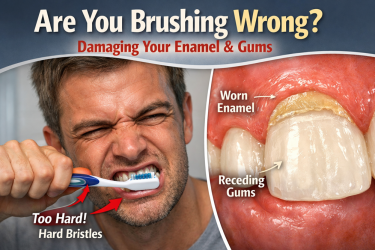
Charcoal whitens by abrasion, not oxidation. Many charcoal toothpastes have high Relative Dentin Abrasivity (RDA) values. Frequent use can thin enamel, exposing the yellow dentin beneath. Enamel does not regenerate once lost.
How to Avoid the Artificial Over-Bleached Look
Natural whitening respects biological cues.
- Teeth should not appear whiter than the whites of your eyes
- Healthy teeth are slightly translucent, not opaque
- Skin tone influences which shades look most natural
These factors are considered during professional treatment planning.
Why Whitening Sometimes Fails or Looks Fake Over Time
Whitening failure usually results from process errors rather than product choice.
Common causes include:
- Whitening too frequently
- Ignoring enamel rehydration time
- Whitening crowns or fillings, which do not change color
- Long-term use of abrasive products
Understanding these limitations prevents disappointment and protects enamel health.
Maintenance: Keeping Results Without Overdoing It
Long-term success depends on moderation.
- Drink water after coffee or wine
- Avoid brushing immediately after acidic foods
- Use touch-up trays sparingly
- Maintain regular dental cleanings and exams
Preventive care plays a key role in preserving whitening results. Ongoing care options are available through local offices in CA and TX.
Final Thoughts
Natural-looking teeth whitening is not about chasing extremes. It is about making informed choices that protect enamel health, support facial harmony, and fit comfortably into your long-term oral care plan. Understanding how treatment options work and what may be covered through your dental insurance can help you move forward with clarity and confidence.
When whitening is approached thoughtfully, it enhances your smile without drawing attention to the treatment itself. This kind of subtle improvement is often part of a broader cosmetic dentistry plan that considers color, shape, and overall balance rather than brightness alone.
If you are considering whitening and want guidance tailored to your goals, timeline, and comfort level, a professional consultation remains the most reliable starting point. Speaking with a dental team allows you to review options, expectations, and next steps before beginning treatment.