If you’ve been wondering how to fix your teeth when money is tight, you’re not alone. Dental care can feel out of reach for many, but there are real options that can help you improve your oral health and confidence—without breaking the bank. Let’s explore what’s possible, how to access care, and what steps you can take right now.
What Does “Fixing Your Teeth” Mean?
When we talk about fixing your teeth, it can range from small cosmetic adjustments to urgent repairs for decay, cracks, or missing teeth. It may involve:
- Fillings for cavities
- Root canals for infected teeth
- Extractions if saving the tooth isn’t possible
- Dentures, bridges, or implants to replace missing teeth
- Cosmetic work like bonding or veneers for chips and gaps
The right option depends on your dental needs, your comfort, and—yes—your budget.
Why Fixing Your Teeth Matters
Even if money is tight, oral health can’t be ignored. Left untreated, small dental problems often get worse, leading to pain, infection, or tooth loss. Poor dental health can also affect overall health; research links gum disease to heart problems and diabetes (Tonetti et al., 2017). Plus, feeling self-conscious about your smile can impact your personal and professional life.
In short—fixing your teeth is about more than looks. It’s about protecting your health, comfort, and confidence.
How to Fix Teeth with Little or No Money
1. Look for Free or Low-Cost Dental Clinics
You can find care through community dental programs or nonprofit clinics that offer reduced-fee services. Many dental schools in the U.S. provide care at a fraction of the cost because students perform procedures under licensed supervision.
If you’re experiencing pain or swelling, start with our Emergency Dentistry guide for immediate steps.
Tip: Check the American Dental Association’s “Find-a-Dentist” tool or your state dental society for local programs.
2. Apply for Dental Financing or Payment Plans
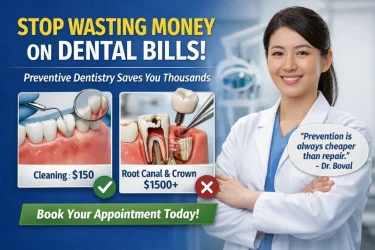
Even if you can’t pay in full, many clinics break costs into smaller monthly payments. Third-party financing such as CareCredit can make urgent care possible. You can also explore flexible options on our Insurance & Financing page.
3. Seek Help Through Charitable Programs
Organizations like Dental Lifeline Network or America’s Dentists Care Foundation run outreach programs for people who can’t afford dental care.
What to Do if Your Teeth Are Rotting and You Can’t Afford to Fix Them
If decay is advanced, early action is critical to prevent infection from spreading.
- Visit an urgent care dental clinic (many have income-based fees).
- Ask about temporary fillings—they can buy you time.
- Consider tooth extraction for severely damaged teeth to stop pain and infection.
A 2021 CDC survey found that nearly one in four adults aged 20–64 has untreated cavities, but prompt basic care can prevent more costly procedures later (CDC, 2021).
For long-term restoration options, see our article: How Long Do Dental Implants Last?
What If I Have a Dental Emergency but No Money?
If you break a tooth, lose a filling, or experience sudden swelling:
- Call local dental offices—explain it’s an emergency and ask about walk-ins or free initial exams.
- Check community health centers; many must provide emergency dental care regardless of ability to pay.
- Use dental school emergency clinics—students often need real-case practice.
For guidance, visit our Emergency Dentistry section.
What Is the Cheapest Way to Fix Bad Teeth?
The cheapest route depends on your condition:
- Small chips or gaps: Bonding is less expensive than veneers.
- Missing teeth: Partial dentures cost less than implants or bridges.
- Discoloration: Professional whitening at a dental school may cost less long-term than over-the-counter kits.
If you’re comparing restorative options, check out Ceramic Crowns: Pros & Cons.
Preparation & Aftercare Tips
Even if treatment is low-cost or free, preparation and aftercare make a big difference:
- Before treatment: Brush twice daily, floss, and avoid sugary snacks.
- After treatment: Follow your dentist’s recovery plan—especially after fillings or extractions.
- Stay consistent: Attend regular checkups (every 6–12 months).
First-time patients can see what to expect on our Your First Visit page.
Myths About Fixing Bad Teeth
Myth: “If I can’t afford dental care now, I should wait.”
Reality: Waiting often makes problems worse and more expensive.
Myth: “Over-the-counter repair kits work just as well.”
Reality: These are temporary solutions—professional care is still needed.
Cost, Insurance, and Affordability
Many people assume dental work must be paid all at once, but that’s rarely true. Most clinics:
- Accept multiple insurance plans
- Offer payment plans
- Provide discounts for upfront payment or for patients without insurance
At Gold Coast Dental, we also offer free x-rays, examinations, and consultations for new patients—and we accept all types of dental insurance.
You can review details on our Specials page or see available plans on our Insurance & Financing page.
How Long Will My Repair Last?
Longevity depends on the type of repair:
- Bonding: 3–10 years (Rada & Hasiuk, 2020)
- Crowns: 5–15 years
- Implants: Over 90% success rate after 10 years (Pjetursson et al., 2012)
Explore more treatment options on our Dental Services page, and find your nearest office using our Locations map.
To Sum Up
If you’re asking how to fix your teeth when you don’t have money, remember—you do have options. From free clinics and dental schools to charitable programs and payment plans, affordable care is within reach.
At Gold Coast Dental, we believe everyone deserves a healthy smile, no matter their budget. With over 19 locations across Southern California and one in Texas, it’s easy to find your nearest location and schedule an appointment online.
We accept all types of dental insurance, offer free x-rays and consultations for new patients, and make it simple to protect your smile and health.