Trusted by Thousands, Across 23 Locations
Sleep Apnea Treatment
Comfortable Oral Appliances for Better Sleep — Phone Support Available 24/7
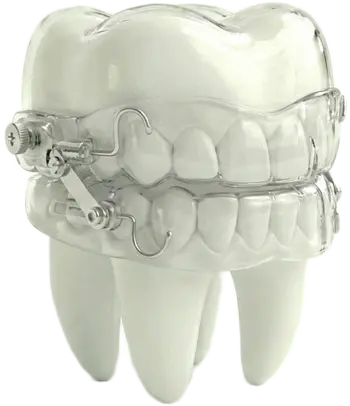
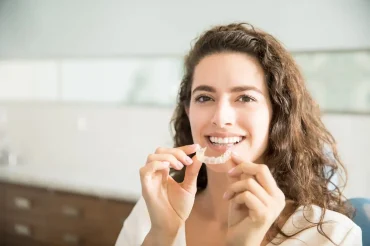
Dental sleep apnea treatment focuses on airway support using custom oral appliances. Patients often consider this option when snoring, fatigue, or CPAP intolerance affects daily life. Planning involves sleep testing coordination and appliance fit to support nighttime breathing.
Dental sleep apnea treatment focuses on airway support using custom oral appliances. Patients often consider this option when snoring, fatigue, or CPAP intolerance affects daily life. Planning involves sleep testing coordination and appliance fit to support nighttime breathing.
Open weekends including Sundays (hours vary by location).
- AHI severity: The apnea‑hypopnea index measures apneas and hypopneas per hour of sleep; fewer than 5 is normal, 5–14 indicates mild sleep apnea, 15–29 is moderate and 30 or more is severe.
- Prevalence: Obstructive sleep apnea is common—affecting at least 2% to 4% of adults and nearly 1 billion people worldwide.
- Effective therapies: Dental treatment for sleep apnea focuses on custom oral appliances that reposition the jaw to keep the airway open. These appliances are highly effective for mild‑to‑moderate cases and offer a comfortable alternative to surgery.
- Mandibular devices: Custom‑fitted mandibular advancement devices reposition the jaw forward to keep the airway open. They can significantly reduce sleep apnea symptoms and improve quality of life.
- Surgical options: Hypoglossal nerve stimulation is a newer procedure that reduces AHI by about 68%—from 29.3 to 9 events per hour after 12 months—and improves symptoms for patients who do not respond to other therapies.
- Kids’ care: Removing enlarged tonsils and adenoids (adenotonsillectomy) cures obstructive sleep apnea in most children; however, 13%–29% still have residual OSA, and obese children experience lower success (24%–46%) than non‑obese children (around 80%).
- Lifestyle & positioning: Weight loss, avoiding alcohol and sleeping on your side can lessen sleep apnea severity; positioning devices help keep you off your back, reducing airway collapse.