Trusted by Thousands, Across 23 Locations
TMJ Treatment
Relief From Jaw Pain, Clicking & Tension — Phone Support Available 24/7
TMJ treatment addresses jaw pain, clicking, locking, or tension linked to bite imbalance or muscle strain. Patients often seek care when headaches or facial discomfort persist. Evaluation looks at joint movement, bite forces, and habits like clenching that affect symptoms over time.
TMJ treatment addresses jaw pain, clicking, locking, or tension linked to bite imbalance or muscle strain. Patients often seek care when headaches or facial discomfort persist. Evaluation looks at joint movement, bite forces, and habits like clenching that affect symptoms over time.
Open weekends including Sundays (hours vary by location).
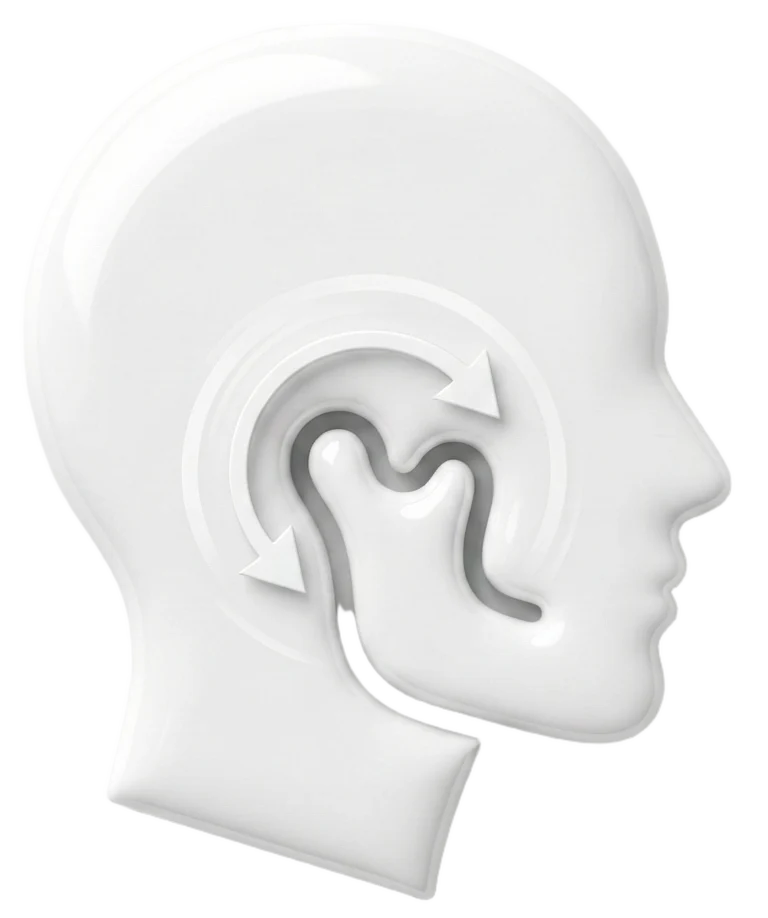
- TMJ stands for the temporomandibular joint, and TMD stands for temporomandibular disorder.
- Who’s affected? Temporomandibular disorders occur in roughly 5–12% of the population, affecting more women than men.
- Common complaints: Headaches (79%), clenching or bruxism (58%), jaw pain (54%) and ear symptoms (52%) are among the most frequently reported signs of TMD.
- Splint success: Custom occlusal splints can reduce maximum jaw stress by about 71% in bruxism patients and improve pain and jaw movements.
- Timeline: Most mild to moderate TMDs respond to conservative therapy within 3–6 months when diagnosed early—long‑term success depends on consistent splint wear and lifestyle modifications.