Finding a gentle path through sedation dentistry can be life‑changing if you’ve ever postponed oral care due to fear. Patients around Brea and La Habra often tell us they searched for a “Dentist in La Habra” or wondered whether a pain‑free experience was possible. In this detailed guide, we explore what sedation dentistry means, why it matters for anxious patients, and how modern techniques create a calm, safe environment. We include internal links to related Gold Coast Dental resources and address common questions, such as “best sedation dentistry for anxious patients” and “how does sedation dentistry work for anxiety.”
Understanding Sedation Dentistry
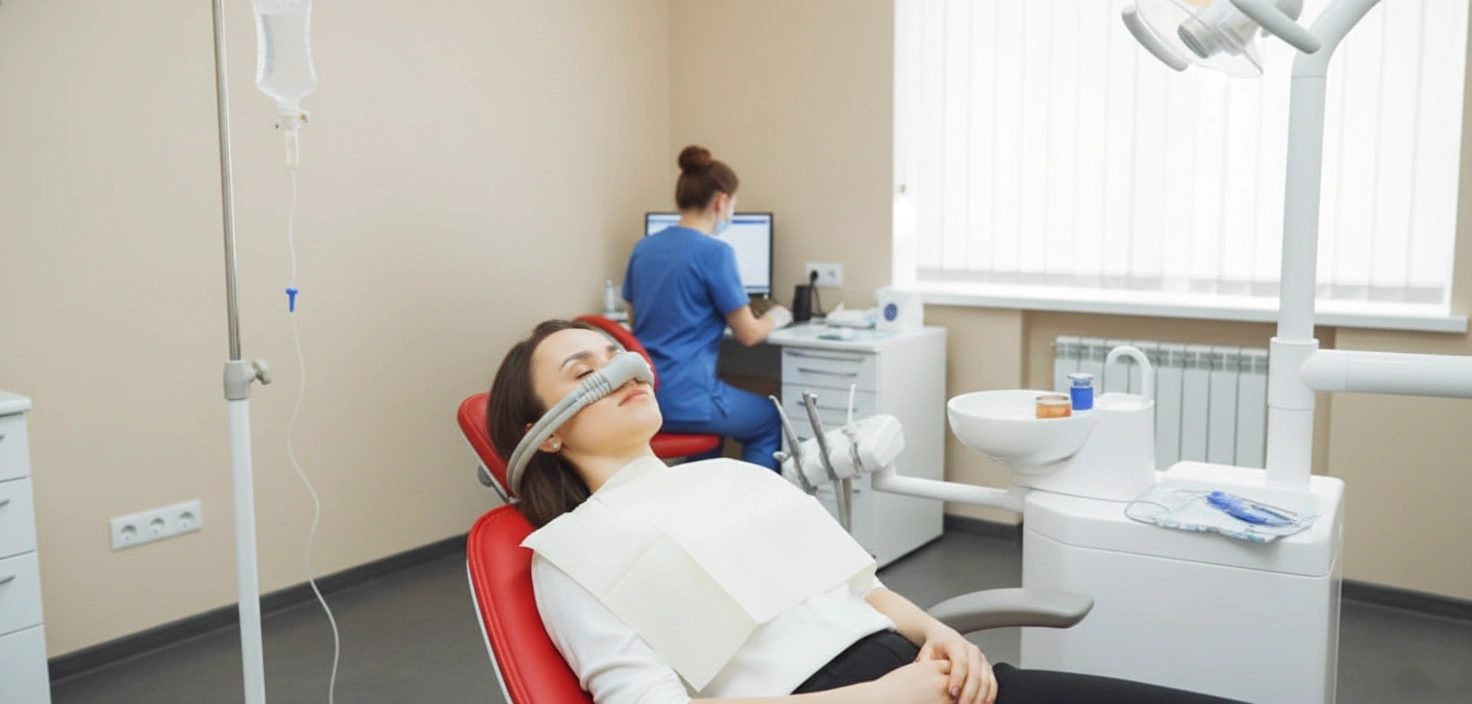
Sedation dentistry is the practice of using medication to help patients feel relaxed during dental procedures. It’s sometimes called sleep dentistry or painless dentistry, though most techniques simply induce calmness rather than sleep. The main goal is to control anxiety and reduce physical discomfort so that individuals can receive the care they need without fear. Sedation can be minimal, moderate, deep, or general anesthesia. At Gold Coast Dental, we offer several types of sedation to suit different needs, including nitrous oxide, oral pills, and intravenous (IV) methods. Nitrous oxide sedation has a rapid onset and allows for quick recovery, making it safe and effective for dental visits.
What Is Sedation Dentistry?
Sedation dentistry uses specific medications to calm anxious patients and create a more comfortable experience. For individuals who fear the dentist, the idea of lying back in a chair with dental instruments in their mouth can be overwhelming. Sedation provides a sense of ease and helps patients remain still while the dentist performs procedures. There are four main methods:
- Nitrous oxide (laughing gas): A mix of oxygen and nitrous oxide delivered through a small nose mask. It produces a mild, euphoric feeling and wears off quickly. Studies show that nitrous oxide is safe and effective for anxious patients.
- Oral sedation: A pill taken before the appointment to provide moderate relaxation. Patients remain conscious but may feel sleepy and not remember details.
- IV sedation: Medication delivered through a vein for deeper sedation. It works quickly and can be adjusted throughout the procedure. Intravenous sedation has a rapid onset and allows precise titration but requires monitoring due to potential respiratory depression.
- General anesthesia: Used only for extensive procedures or severe phobias. The patient is completely unconscious and breathing is assisted by an anesthesiologist.
Ready to protect your natural smile?
You don’t have to guess the status of your enamel. Let us help you build a prevention plan. Schedule Your Checkup
Why Sedation Matters for Anxious Patients
Sedation dentistry matters because dental anxiety is common and can lead to untreated decay and gum disease. Surveys estimate that as many as 15 percent of adults avoid dental care due to fear. When left unchecked, small cavities can become infections, causing pain, tooth loss, and systemic health problems. In other words, dental anxiety isn’t just inconvenient—it’s a barrier to well‑being. By offering sedation options, we help patients feel at ease and prevent avoidable complications.
It’s also important to consider the emotional aspect. For some, a past traumatic experience or sensitive gag reflex triggers anxiety. Others worry about needles or the sound of the drill. Sedation allows them to remain calm, and when combined with gentle techniques, it helps build trust in dental professionals. Over time, repeated positive experiences can diminish fear.
Benefits and Risks of Sedation Options
Sedation dentistry provides numerous benefits for anxious patients:
- Comfort: Minimal discomfort and reduced awareness of procedures.
- Time efficiency: Multiple treatments can be completed in one visit, saving time for busy patients.
- Gag reflex control: Sedation helps manage a sensitive gag reflex, allowing your dentist to work more efficiently.
- Memory reduction: Some forms, like oral or IV sedation, cause patients to forget most of the appointment, which can reduce future anxiety.
However, any medication carries potential risks. Nitrous oxide may cause mild headache or nausea afterward. Oral and IV sedation can result in temporary drowsiness or amnesia, and patients must arrange a ride home. Rarely, more serious reactions like allergic response or respiratory depression can occur, which is why dentists trained in sedation continuously monitor vital signs and have emergency equipment on hand.
How Sedation Dentistry Works: Step by Step
Sedation dentistry follows a structured process to ensure safety and comfort:
- Consultation: During your consultation, the dentist reviews your medical history, allergies, and medications. They also ask about your anxiety level and past experiences.
- Pre‑appointment instructions: You may need to avoid eating or drinking for several hours before oral or IV sedation. Nitrous oxide generally doesn’t require fasting.
- Administration: On the day of your appointment, you receive the chosen sedative. Nitrous oxide involves breathing through a nose mask. Oral sedation involves taking a pill about 30–60 minutes before treatment. IV sedation is delivered through a small needle placed in your arm or hand.
- Monitoring: Throughout the procedure, your dentist or a dedicated sedation assistant monitors blood pressure, heart rate, oxygen levels, and breathing. This ensures that you remain stable and comfortable.
- Post‑procedure care: Depending on the type of sedation, you may feel groggy afterward. Nitrous oxide wears off quickly, and you can usually drive yourself home. However, oral or IV sedation requires arranging a ride. You should avoid heavy activities for at least 24 hours.
Our article Dental Implant Pain Scale explains how sedation can be integrated with surgical procedures to make them more tolerable.
Preparation and Aftercare for Sedation Dentistry
To maximize your comfort and safety, follow these preparation tips:
- Review medications: Inform your dentist of all medications, supplements, and herbal remedies. Certain drugs may interact with sedatives.
- Plan transportation: For oral or IV sedation, arrange a trusted friend or family member to drive you to and from your appointment.
- Wear comfortable clothing: Loose, breathable clothing can make you feel more relaxed during treatment.
- Fasting: Avoid eating or drinking for at least six hours before deeper sedation, unless instructed otherwise.
- Post‑care instructions: Rest for the remainder of the day, stay hydrated, and follow your dentist’s instructions for pain management.
If you have specific questions—such as “Is sedation dentistry safe for people with dental phobia?” or “Can children use sedation dentistry for anxiety?”—our team will discuss them during your consultation. The What Is a Dental Implant blog illustrates how sedation can accompany implant placement.
Comparing Sedation Options: Choosing the Right Fit
The table below compares different sedation methods, their level of relaxation, common uses, and pros and cons.
| Type of Sedation | Level of Relaxation | Common Uses | Duration of Effects | Advantages | Drawbacks |
|---|---|---|---|---|---|
| Nitrous Oxide (Laughing Gas) | Light | Routine cleanings, mild anxiety | 5–10 minutes after mask removal | Fast onset, quick recovery, adjustable levels | Mild headache possible, not ideal for severe anxiety |
| Oral Sedation (Pills) | Moderate | Fillings, root canals, moderate fear | 2–6 hours | Easy to take, no needles | Grogginess; must have transportation |
| IV Sedation | Deep | Complex procedures, severe dental phobia | 1–4 hours | Fast acting, dosage adjustable on the fly | Requires monitoring, higher cost |
| General Anesthesia | Full unconsciousness | Surgical cases, extreme anxiety | Several hours | No awareness of procedure | Hospital setting, longer recovery, higher risk |
As with any medical decision, discuss your health history with your dentist to determine the right level of sedation.
Signs You Need Sedation Dentistry
Wondering if sedation dentistry is right for you? Here are signs you might benefit:
- You have postponed care due to fear, even for simple cleanings.
- You have a strong gag reflex or difficulty staying still during appointments.
- You need complex or lengthy procedures, such as multiple fillings or extractions.
- Local anesthetic doesn’t adequately control discomfort for you.
- You are sensitive to sounds, tastes, or smells in the dental office.
If any of these apply, talk with our team about sedation options. We’ll answer questions like “Who is a good candidate for sleep dentistry?” and help you decide whether oral sedation, nitrous oxide, or IV sedation is the best fit. Many of our patients in La Habra and the surrounding communities find that sedation transforms their view of dentistry and makes routine care accessible.
Cost and Insurance Considerations
Sedation dentistry costs vary based on the type and duration. In general:
- Nitrous oxide: Adds $50–$100 per appointment.
- Oral sedation: Costs $200–$300 on top of the procedure.
- IV sedation: Ranges from $400–$900 per hour.
- General anesthesia: Costs $500–$1,500 per hour and may require a surgical center.
We believe finances shouldn’t keep you from seeking care. Talk with our team about payment plans, financing options, or whether your insurance covers sedation. We can provide estimates and help you maximize benefits.
Myths and Facts About Sedation Dentistry
- Myth: “Sedation means I’ll be unconscious.”
Fact: Most sedation methods relax you but allow you to stay awake and responsive. Only general anesthesia produces full unconsciousness. - Myth: “I’ll be embarrassed because I’ll say or do silly things.”
Fact: While you may feel drowsy or forgetful, dental professionals are trained to respect your privacy and maintain your dignity. - Myth: “Sedation is only for major surgeries.”
Fact: Many patients use nitrous oxide or oral sedation for cleanings or fillings. - Myth: “Sedation is unsafe.”
Fact: Complications are rare when delivered by trained professionals. Continuous monitoring ensures your heart rate, blood pressure, and oxygen levels remain stable.