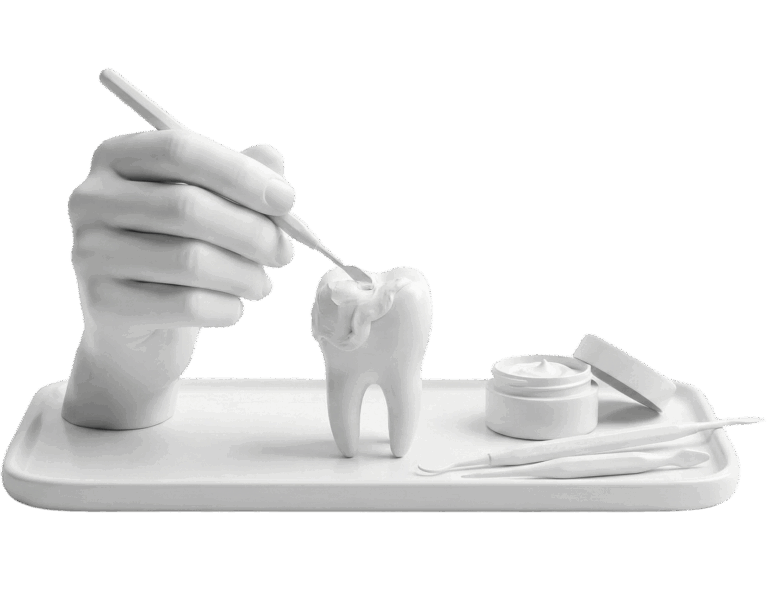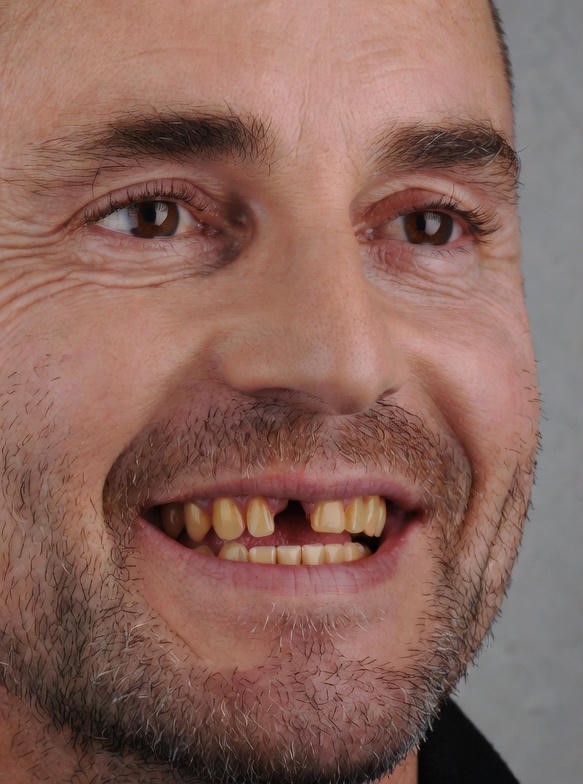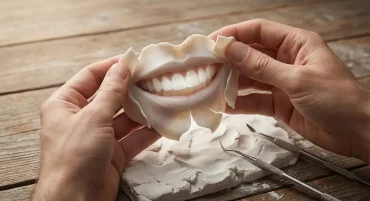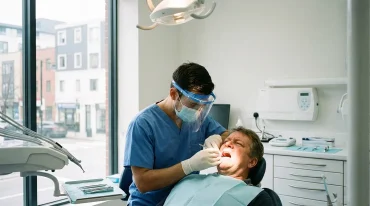
Composite veneers, also known as direct veneers, are thin layers of tooth-colored resin that are applied and sculpted directly on the front surfaces of teeth. Unlike porcelain veneers that require laboratory fabrication, composite veneers are completed chairside in a single visit with real-time adjustments.
They are commonly used to correct small chips, gaps, uneven edges, and mild discoloration while preserving natural enamel. Because preparation is minimal, composite veneers allow for future refinements or alternative cosmetic treatments if your needs change. Results depend on careful layering, contouring, and bite evaluation to ensure a natural appearance and comfortable function.
This hands-on approach allows our dentists to fine-tune shape, symmetry, and bite balance during treatment rather than relying on prefabricated restorations.
Composite veneers preserve your natural tooth structure. Little to no enamel is removed, and the resin material is bonded directly with minimal enamel removal, allowing flexibility for future adjustments.
Most direct composite veneers are sculpted and polished in a single visit, giving you a new smile without multiple appointments or temporary restorations.

Composite veneers cost less than porcelain and can be repaired, reshaped or updated easily, making them a budget‑friendly option for cosmetic enhancement.
Modern composite resins offer excellent translucency and shade matching for a natural look. We carefully layer and polish the material to mimic real enamel.
Our patients are at the heart of everything we do. Read their stories and discover how compassionate care and trusted dentistry have made a difference in their smiles.
Composite veneers are a practical option for patients who want noticeable smile improvement without the cost or permanence of porcelain. They are commonly used to mask small chips, stains, mild spacing, or minor alignment concerns, and they usually require little to no enamel removal. Because composite veneers can often be adjusted or repaired over time, they offer flexibility if your needs change. This approach is frequently chosen by younger patients or anyone who prefers a conservative cosmetic option before deciding on long-term restorations.
Types of Composite Veneers
Composite veneers come in two main forms—direct and indirect:
Type
How It’s Done
Best For
Direct Composite Veneers
Applied and sculpted chairside using tooth-colored resin. Minimal preparation and usually completed in one visit.
Single teeth, small chips, gaps, or minor cosmetic adjustments.
Indirect Composite Veneers
Fabricated in a dental lab, then bonded to the teeth for a smoother finish and added strength.
Larger aesthetic cases where improved durability and refinement are needed.
Choosing the Right Veneer Option
Choosing between composite and porcelain veneers depends on your smile goals, bite, enamel condition, and long-term expectations.
- Composite veneers are often recommended for conservative cosmetic adjustments and flexibility, while porcelain veneers may offer greater durability and stain resistance. Some patients choose to start with composite veneers and transition to porcelain later.
- Composite veneers may not be the right option for patients with severe bite problems, heavy grinding (bruxism), significant enamel loss, or extensive structural damage. In these situations, porcelain veneers or crowns may provide better long-term stability. A clinical evaluation is necessary to determine the safest and most appropriate treatment.
Composite veneers are primarily used on front teeth, require bite evaluation before treatment and work best when carefully shaped by an experienced dentist, making them a conservative option for suitable patients.
Composite veneers typically last five to seven years, depending on bite forces, oral habits, and routine care. While they do not last as long as porcelain veneers, many patients choose composite for its flexibility and ability to be adjusted or repaired over time.
To maintain your veneers:
With proper care, composite veneers often last about 5–7 years. Their repairability is a key benefit, since minor chips or wear can often be corrected chairside without lab fabrication, which may help avoid full replacement.
Composite veneers are typically considered cosmetic and may not be covered by dental insurance. Our team reviews pricing and payment options before treatment so expectations are clear.


Find quick answers to the most common questions our patients ask.
Composite veneers are used to improve the appearance of chipped teeth, small gaps, uneven edges, and mild discoloration. They refine shape and color without extensive tooth alteration. This makes them suitable for conservative cosmetic improvements.
In many cases, yes. Composite veneers usually require little to no enamel removal, which means the underlying tooth structure is largely preserved. This allows flexibility for future cosmetic or restorative options.
Composite veneers commonly last five to seven years with proper care. Longevity depends on oral hygiene, bite forces, and daily habits. One advantage is that wear or minor damage can often be addressed without full replacement.
Composite veneers typically involve minimal surface preparation rather than traditional drilling. Only light conditioning may be needed to support bonding. The goal is to preserve as much natural enamel as possible.
Yes. Small chips, stains, or edge wear can often be repaired chairside by adding or reshaping the composite material. This repairability is one reason patients choose composite over more permanent cosmetic options.
Composite veneers are completed in one visit and are more conservative, while porcelain veneers are lab-made and generally last longer. Porcelain resists staining better, but composite allows easier adjustments and repairs. The choice depends on cosmetic goals, budget flexibility, and long-term expectations.
Good candidates include patients with healthy teeth who want cosmetic improvement for minor imperfections. They are especially suitable for those seeking a conservative, adjustable option. A clinical exam is necessary to confirm suitability.
Composite veneer treatment is generally comfortable and usually does not require anesthesia. Only minimal surface preparation is performed, which helps reduce sensitivity during and after treatment.
Yes. Composite veneers can often serve as a transitional option before porcelain veneers. A clinical evaluation is needed to determine suitability for future treatment.
Composite veneers can stain over time, especially with frequent exposure to coffee, tea, wine, or tobacco. Regular cleanings and good oral hygiene help minimize discoloration. Unlike porcelain, composite material may require occasional polishing to maintain brightness.
Composite veneers are primarily designed for front teeth where aesthetics matter most. They are rarely used on back teeth due to higher biting forces. For posterior teeth, restorations like crowns or onlays are usually recommended.
Yes. Bite alignment and occlusion are evaluated before placing composite veneers. Improper bite forces can shorten veneer lifespan, so adjustments or alternative treatments may be recommended.
Yes. Because composite veneers are sculpted directly on the tooth, outcomes depend heavily on the dentist’s experience with layering, contouring, and bite balance.
Composite veneers are often recommended for younger patients because they preserve enamel and allow future treatment flexibility as the smile changes over time.
We know a great dental experience goes beyond clinical care. Here’s how we make your visits comfortable and stress‑free.
Convenient Scheduling
We’re open seven days a week with evening and weekend appointments at multiple locations. Same‑day visits are available so you never have to wait for relief.
Affordable Excellence
High‑quality dental care should be within reach. We accept most PPO and many HMO plans, offer interest‑free payment plans and have in‑house specials for new patients.
Relaxing Visits
Our modern offices feature state‑of‑the‑art technology, comfortable treatment rooms and entertainment options to help you feel at ease throughout your visit.
Book now and save with our limited‑time offers:
Free X‑rays, exam and consultation. New patients only.
PPO, HMO, or no insurance? We help you understand your available options before treatment begins. We work with most major PPO and HMO plans. If you don’t have insurance, we explain in-house financing and current new-patient offers, including our $49 new patient special.
Many offices are open 7 AM–7 PM, including weekends, for your convenience.
Hours may vary by location. Please call the office to confirm availability.
Store locator is loading from StoreRocket Store Locator App..
اگر شما به زبان فارسی صحبت میکنید و به دنبال دندانپزشک فارسی زبان هستید، کلینیک دندانپزشکی Gold Coast Dental آماده ارائه خدماتی مانند دندانپزشک اورژانس، ایمپلنت، ارتودنسی و زیبایی دندان با انواع بیمه به شماست.
Si usted habla español y está buscando un dentista que hable su idioma, la clínica dental Gold Coast Dental ofrece servicios como emergencias dentales, implantes, ortodoncia y estética dental con diferentes seguros.
한국어를 사용하시고 한국어 가능한 치과를 찾고 계시다면, 골드코스트 덴탈 치과 클리닉은 응급치료, 임플란트, 교정 및 미용 치과 서비스를 다양한 보험과 함께 제공합니다.
如果您说中文并正在寻找讲中文的牙医,Gold Coast Dental 牙科诊所提供紧急牙科、种植牙、牙齿矫正和美容牙科服务,并接受各种保险。
日本語を話される方で日本語対応の歯科医をお探しであれば、Gold Coast Dental 歯科クリニックでは救急歯科、インプラント、矯正歯科、美容歯科など、各種保険対応のサービスを提供しています。
Please call (562) 242‑1411 or find your nearest dentist here.