Dental Crowns are a reliable way to rebuild weak or worn teeth while keeping your bite balanced. If you’re searching for a “dentist in La Habra” or “near me,” our team can help you plan care that fits your timeline and budget. You can also find your nearest location for a convenient visit.
What is a dental crown?
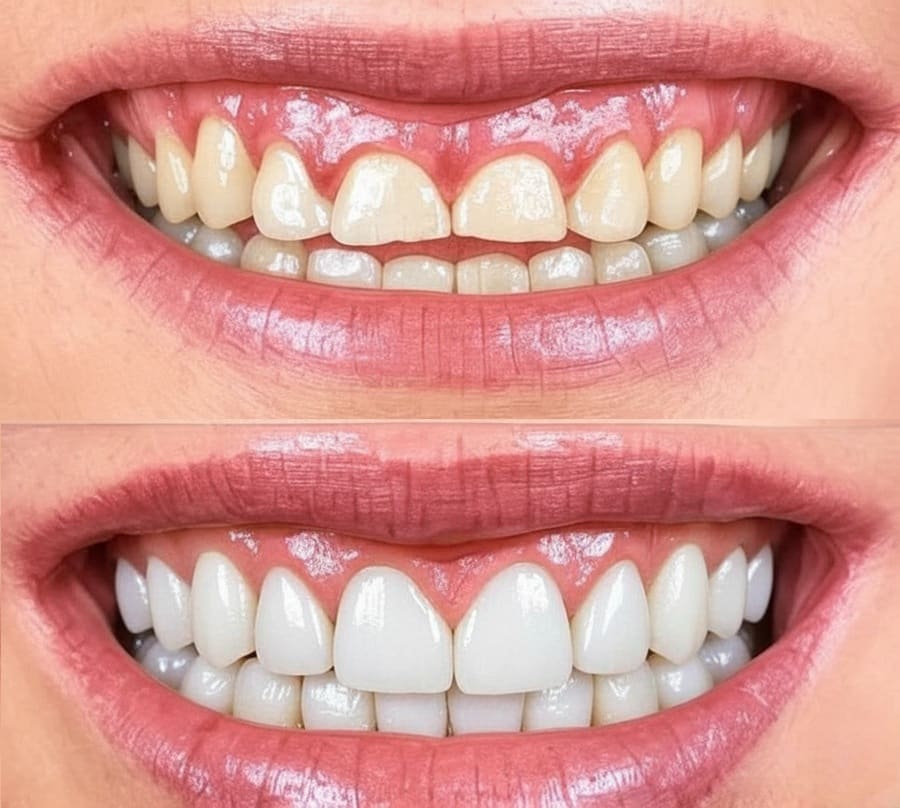
A crown is a custom “cap” that fits over a prepared tooth to restore strength, shape, and appearance. It’s used when a filling would be too large, after a root canal, for cracked or worn teeth, or to improve shape and color. You may hear other names like tooth crown, crown for tooth, or ceramic teeth cap—all describe the same idea.
For bridge work, crowns can anchor replacement teeth on either side of a gap. Crowns also sit on top of implants as the visible tooth.
Why would I need a crown—and who is a good candidate?
- Cracked, chipped, or worn teeth: crowns hold the tooth together and restore chewing.
- Large fillings or root canal teeth: a full cover helps prevent breakage.
- Cosmetic concerns: for stained, misshapen, short, or crooked teeth when veneers or bonding aren’t ideal.
- Bridges: to replace a missing tooth when an implant isn’t planned.
Looking for treatment pages? See our service page on crowns & bridges for clinical details and booking. This article stays educational to avoid overlap.
| Type | Look & strength | Best use | Notes |
|---|---|---|---|
| All-porcelain (lithium disilicate) | High aesthetics, strong | Front teeth, premolars | Great color match; good survival when bonded properly. |
| Zirconia (monolithic) | Very strong, tooth-colored | Back teeth, grinders | Excellent fracture resistance; newer translucent grades look natural. |
| Porcelain-fused-to-metal (PFM) | Strong substructure | General use | Long track record; may show a thin dark line at gum over time. |
| Full gold (high noble) | Gold color; very durable | Back teeth | Gentle on opposite teeth; premium longevity; visible color. |
| Resin/Composite | Tooth-colored; less strong | Short-term or budget cases | Lower cost; more wear and staining over time. |
| Stainless steel (temporary) | Metallic | Kids; short-term adults | Used as a temporary tooth cap prior to a final crown. |
| Porcelain on zirconia (layered) | Top aesthetics + strength | Front teeth with high esthetics | Porcelain veneer on a zirconia core; great color and shape. |
Figure 1. Common crown materials with typical indications.
How long do dental crowns last?
With steady home care and routine visits, many crowns last 10–15 years or longer. Studies report 5‑year survival around the mid‑90% range for both metal‑ceramic and many all‑ceramic options; long‑term results vary by material, bite forces, and hygiene habits.
How much does a dental crown cost?
Costs vary by material, tooth location, and insurance. Without insurance, many U.S. practices report ranges from roughly $800–$2,500+ per tooth. Porcelain and zirconia tend to sit in the middle to upper ranges; resin is lower; gold depends on market prices. If you’re budgeting, factor the price of a dental cap, any core build‑up, and whether you need a temporary or a same‑day option.
We’ll review a written estimate before you begin and discuss payment options. For plan coverage questions, see our blog for more guides or ask our team during your visit.
What happens during the dental crown procedure?
- Exam & planning: X‑rays or scans check the root and bite. We discuss goals and pick a material.
- Tooth preparation: the tooth is shaped and any decay or cracks are treated.
- Impression or scan: we capture the exact shape for the lab.
- Temporary crown: a short‑term cap for teeth protects your tooth while the lab makes the final crown.
- Fit & bond/cement: the final crown is adjusted for bite and secured.
What Are the Differences Between a Dental Crown, a Filling, and a Porcelain Veneer?
OptionCoversBest forLongevity & upkeepCrownEntire toothCracks, large decay, after root canal, heavy wear10–15+ yrs; floss/clean; avoid hard chewing on day oneVeneerFront surfaceShape, color, small chips or gaps10–15 yrs; avoid biting hard objects with front teethFillingLocal areaSmall to medium cavities5–10 yrs typical; consider onlays/inlays for larger areas
Curious about appearance upgrades? Explore our cosmetic dentistry resources for color and shape options without overlapping service pages.
Key Differences Between Dental Implants vs Crowns
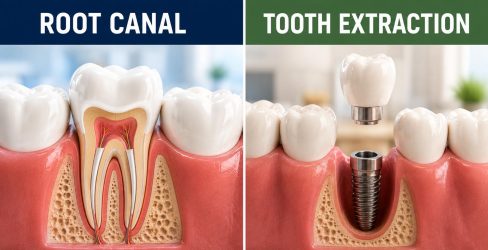
A crown restores an existing tooth; an implant replaces a missing tooth with a titanium post and crown. If your tooth can be saved, a crown may be the simplest path; if it’s non‑restorable or missing, an implant can prevent bone loss at that spot. Read more about replacement options on our dental implants page.
Crowns, Bridges, and Partial Dentures—Which Restores Best?
| Choice | Best when | Pros | Consider |
|---|---|---|---|
| Single crown | Tooth is saveable | Preserves root; quick recovery | Needs enough healthy tooth; may need root canal if deep cracks |
| Bridge | One missing tooth | Fixed solution; shorter timeline | Preps adjacent teeth; hygiene under pontic is important (bridge dental) |
| Implant + crown | Tooth missing or not saveable | Protects bone at site; no prep to neighbors | Higher upfront cost; minor surgery |
| Partial denture | Multiple missing teeth | Lower upfront cost; removable | More maintenance; may feel bulkier |
How long do crowns last?
Many last a decade or more. Studies show strong 5‑year outcomes for both metal‑ceramic and several all‑ceramic systems. Bite forces, grinding, diet, and hygiene all affect life span. Night guards and regular cleanings help protect your investment.
How much is a dental crown (and what affects the price)?
- Material: zirconia and porcelain cost more than resin; gold varies with metals markets.
- Tooth position: molars often cost more than front teeth.
- Build‑ups & posts: add if the tooth needs extra support.
- Insurance benefits: many plans cover a portion; annual maximums apply.
For emergencies like a lost cap or broken crown, see our tips on the emergency dentistry page, including when temporary dental glue for crowns might be reasonable until you’re seen.
Disadvantages of dental crowns (and how to avoid problems)
- Sensitivity: common for a few days; call if it persists.
- Chipping of layered porcelain: choose monolithic zirconia in heavy bite areas.
- Gum irritation: daily flossing and great fit keep tissues calm.
- Replacement: crowns can wear or loosen over time; routine checkups catch early signs.
Dental crown procedure: step‑by‑step comfort
Most patients feel only gentle pressure with local anesthesia. If you feel nervous about dental care, ask about comfort options during your consult. Our goal is precise fit and a calm experience.
Care tips after a new crown
- Avoid very sticky or hard foods for the first day.
- Brush and floss normally; slide floss out sideways around a temporary.
- Use a night guard if you grind your teeth.
- Keep routine checkups—clean margins last longer.
Want a personalized plan? This article is educational. For treatment availability and scheduling, visit our service page for crowns & bridges or find your nearest location to talk with a dentist.