Teeth grinding, also called bruxism, is one of those habits that happens silently but can have loud consequences. Many people don’t even realize they’re doing it until they wake up with a sore jaw or notice flattened teeth. At Gold Coast Dental, our dentists see it daily — and the good news is, it’s completely manageable with care and awareness.
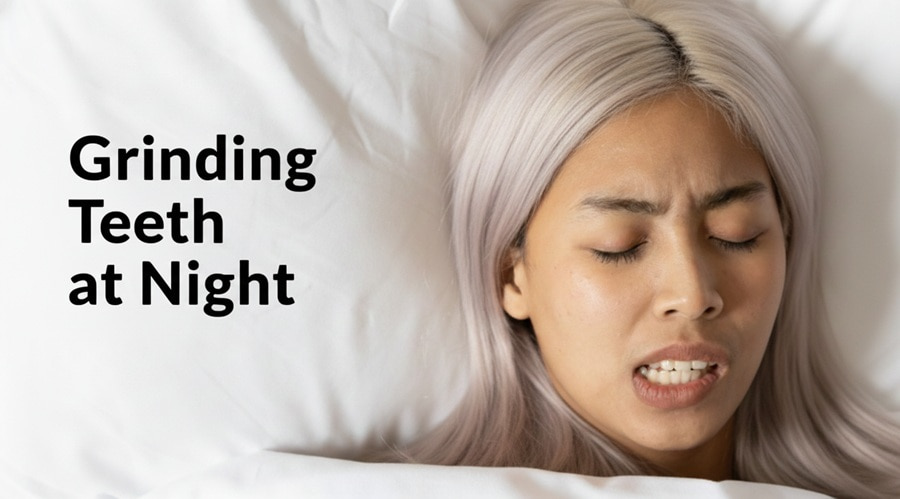
Notie : Some people describe it as “crushing teeth during sleep,” but dentists call it sleep bruxism.
What Is Teeth Grinding (Bruxism)?
Teeth Grinding is repetitive jaw‑muscle activity that includes clenching, gnashing, or grinding while awake or asleep. It can flatten cusps, chip enamel, cause temperature sensitivity, and trigger jaw and temple pain. A dentist confirms the signs in a chairside exam and screens for sleep or airway issues when needed.
- Awake type: often tied to stress, focus, posture, or long screen time.
- Sleep type: short bursts during light sleep and arousals; it may pair with snoring or apnea.
Why Do I Grind My Teeth at Night?
Most people grind their teeth at night because of stress or subconscious muscle tension. During lighter stages of sleep, your brain may trigger small jaw movements. When this happens often, it becomes a habit known as nighttime bruxism. Alcohol, caffeine, and sleep deprivation can make it worse.
How Does Stress Affect Teeth Grinding?
Stress doesn’t just live in your mind — it often shows up in your muscles. The jaw muscles are among the first to tighten under tension. Over time, constant tension leads to unconscious jaw clenching during work, driving, or sleep. Managing stress through breathing, yoga, or short mindfulness sessions can significantly reduce bruxism episodes.
Can Teeth Grinding Cause Tooth Loss?
Severe grinding can wear enamel until teeth shorten, crack, or loosen. In extreme cases, untreated bruxism contributes to tooth loss. The good news: with early detection and a fitted mouthguard, damage can be stopped and repaired with crowns, bonding, or veneers.
Can Bruxism Cause Permanent Damage?
Yes — long-term bruxism can cause irreversible enamel loss or jaw joint strain if left untreated. However, most wear can be stabilized or rebuilt using minimally invasive restorative treatments like dental implants or porcelain restorations.
Teeth Grinding Treatment Options
Effective treatment usually combines protection, behavior modification, and sleep support. At Gold Coast Dental, we personalize care based on your symptoms and lifestyle.
- Custom Nightguard: Protects teeth and distributes pressure evenly.
- Behavioral Therapy: Awareness training, habit reversal, and relaxation reduce daytime clenching.
- Biofeedback Devices: Detect jaw tension and cue muscle release.
- Sleep Optimization: Address snoring or apnea and maintain consistent bedtime routines.
- Physical Therapy: Gentle jaw stretches and posture correction can ease chronic tightness.
Options to manage bruxism (adult)
| Option | Main aim | Evidence snapshot | Pros | Common cautions | Typical cost* |
|---|---|---|---|---|---|
| Custom night guard | Protect teeth / reduce load | Limits enamel wear; muscle activity changes vary by person. | Strong protection; reversible | Fit checks; remakes after dental changes | $300–$800 |
| CBT-style coaching | Lower triggers & awake clenching | Helps pain/function in jaw disorders; supports habit change. | Addresses root drivers | Needs practice time | $80–$180 per session |
| Biofeedback (awake) | Interrupt clench habit | Randomized data suggest benefit vs. controls; more studies are emerging. | At-home or in-office | Device learning curve | $150–$500 |
| Sleep-disorder care | Treat apnea/snoring | Reducing arousals can reduce night episodes. | Health-wide benefits | Needs testing and device fit | Varies |
| Botulinum toxin | Reduce muscle overactivity | Used selectively for refractory cases. | Short-term relief | Repeat visits; possible weakness | $400–$900 per area |
*Typical private-practice ranges in California; ask our team for a transparent quote.
How to Stop Grinding Teeth in Sleep Naturally
Teeth Grinding often settles when the nervous system settles. Build a wind‑down: dim lights, no late caffeine, warm shower, and a few slow nasal breaths. Gentle jaw stretches and a soft pillow can help your muscles relax.
- Set a fixed bedtime and wake time.
- Keep “teeth apart” during daytime tasks like driving or emails.
- Try a short body scan or box‑breathing for two minutes.
Does Bruxism Affect Mental Health?
Yes, there’s a two-way connection. Anxiety and depression can increase muscle tension, and chronic pain from clenching can worsen sleep quality and mood. Treating both stress and grinding together often improves mental wellness and physical comfort.
Signs, Risks, and When to Call
Teeth Grinding can flatten edges, chip fillings, and stress the jaw joint. Watch for morning headaches, temple or ear soreness, tinnitus, and tooth sensitivity to cold. If you see notches at the gumline or cracks, book an exam soon.
Costs, Insurance & Affordability
Teeth Grinding care ranges with complexity. A custom guard is often an eligible benefit. We review coverage, share clear fees, and phase care when needed. For urgent chips or pain, visit our Emergency Dentistry page for same‑day options.
Repair & Replacement: Fixing Worn or Cracked Teeth
Minor wear can polish or bond; deeper loss may need onlays or crowns. If a tooth fractures, we weigh strength, bite, and cosmetics together. Read about Crowns & Bridges and explore our full dental services to compare options.
Kids & Teens: How Do You Treat Bruxism in Children?
Children sometimes grind during growth spurts, teething, or anxiety. Most cases fade as they mature, but persistent grinding may need a custom pediatric guard.
Myths & Straight Talk
- Myth: “A guard cures the habit.”
Fact: it protects teeth; habits and sleep need attention too.
- Myth: “Only adults grind.”
Fact: kids can grind during growth and illness.
- Myth: “It’s rare.”
Fact: it’s common and very manageable with the right plan.
When to See a Dentist
If you feel jaw pain, hear clicking, or notice worn or sensitive teeth, it’s time for a checkup. Our Emergency Dentistry team can help with sudden pain, while general dentists offer long-term solutions for jaw clenching and enamel protection.
What to Expect During Your Visit
Teeth Grinding care starts with a calm, thorough exam. We map tooth wear, check bite contacts, and palpate muscles. If snoring or daytime sleepiness appear, we discuss sleep testing. When alignment plays a part, we may suggest Orthodontics & Invisalign to balance forces.
When Meds Help—and When They Don’t
There isn’t a single “grinding pill.” Short courses for muscle pain or short‑term sleep issues can help some people, but most plans focus on protection, habits, and airway health. We coordinate with your physician if medicines are considered.
Prevention Checklist
- Keep regular dental visits every six months.
- Stay hydrated and maintain a balanced diet rich in calcium and magnesium.
- Sleep 7–8 hours and reduce screen use before bed.
- Replace worn guards as your bite changes.
- Discuss jaw tension early — prevention is easier than repair.
Protect your smile from grinding.
Schedule a visit at any Gold Coast Dental location or call for a same-day consultation. Our caring team will help you relax, sleep better, and safeguard your smile.