Rating

Trusted by Thousands, Across 20 Locations

Dentures (Full & Partial)

Dentures Designed for Stability, Fit Accuracy, and Long-Term Support — Phone Support Available 24/7

Dentures replace multiple missing teeth to restore basic function and appearance. Patients often explore dentures when tooth loss affects eating or speech. Planning includes fit, stability, facial support, and whether traditional or implant-assisted options better match daily comfort and expectations.
  • What they are: Dentures are removable or fixed prosthetic teeth that replace multiple missing teeth or entire arches. Options include full, partial, flexible, and implant-supported designs to restore chewing and speech.
  • When recommended: Dentures may be used when several teeth are missing or failing, with advanced gum disease, or after extractions. Immediate (same-day) dentures can help maintain function and appearance during healing.
  • Materials & durability: Dentures may be made from acrylic resin, cast metal, or flexible nylon. Implant-supported designs use titanium implants. Clinical studies show implant-supported overdentures generally demonstrate higher long-term stability than conventional removable dentures.
  • Care considerations: Removable dentures require daily cleaning and periodic relines as the mouth changes over time. Long-term comfort depends on fit, bite balance, and follow-up care.
Full and Partial Dentures: What to Expect

What Are Dentures?

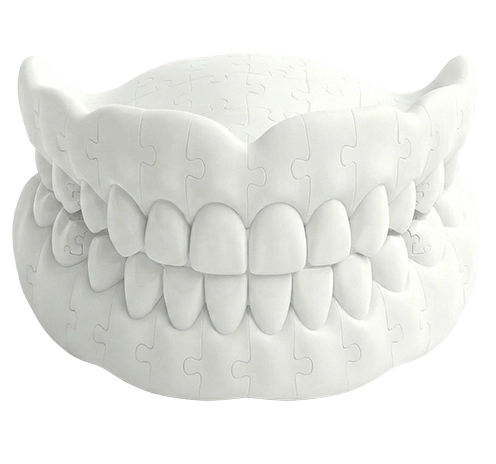
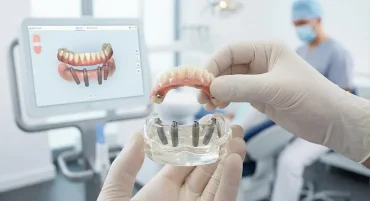
Dentures are removable or implant-supported prosthetic teeth used to replace multiple missing teeth and restore bite function. A full denture replaces all teeth in the upper or lower arch. A partial denture fills gaps when healthy teeth remain and distributes chewing pressure between natural teeth and gum tissue.

Removable dentures rest on the gums, which means their stability depends on bone shape and tissue health. Over time, natural bone changes can affect fit, making periodic adjustments or relines necessary.

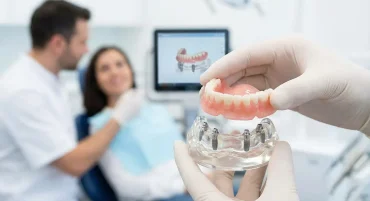
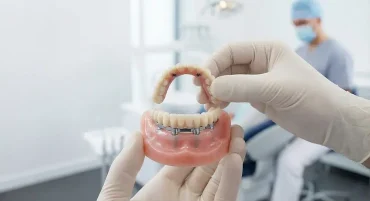
Some patients choose implant-supported designs for improved retention. Snap-in overdentures attach to implants and remain removable for cleaning. Fixed hybrid dentures connect to implants and stay in place until removed during professional maintenance.

Why Patients Love Our Denture Team

Clear options, careful fitting, and follow-ups that actually solve sore spots and looseness.

Clear Treatment Options

We explain full, partial, snap-in, and fixed denture options in plain terms, so you understand what will feel stable, what’s removable, and what fits your long-term needs.

Comfort-Focused Fit

Every denture is adjusted for bite balance, pressure points, and speech comfort. Follow-up visits are part of the process, not an afterthought.

Digitally Planned Care

Digital scans help us plan fit and bite alignment more accurately, reducing guesswork and improving everyday comfort over time.

Consistent Care, Multiple Locations

Whether you’re seen in California or Texas, our denture planning and follow-up standards stay consistent across locations.

Testimonials

What Our Clients Say

Google__G__Logo 1
4.9 / 5
+500 reviews
“

Our patients are at the heart of everything we do. Read their stories and discover how compassionate care and trusted dentistry have made a difference in their smiles.

Comparing Denture Types: Stability, Maintenance, and Longevity

Types of Requested Denture Services

Different denture designs vary in stability, maintenance needs, and long-term fit expectations.

Type How It Stays in Place What to Expect Over Time
Full Dentures Rest directly on the gums. Upper dentures typically feel more secure than lower ones due to surface coverage. Bone and gum changes may cause looseness. Relines are commonly needed as tissue shape evolves.
Partial Dentures Use remaining natural teeth for added support. Framework may be metal or flexible base. Stability depends on the health of supporting teeth. Good hygiene is critical to prevent decay around clasps.
Implant-Supported Overdentures Attach to implants using locator or bar connectors. Removable for cleaning. Reduced movement compared to traditional dentures. Implants help limit bone shrinkage. Attachments may require periodic replacement.
Fixed Hybrid Dentures Secured to implants and remain in place. Removed only during maintenance visits. Provide strong chewing stability. Require consistent professional cleaning to protect implant health.

How to Decide Between Options

How do you choose between full, partial, and implant-supported dentures?

Choosing between denture options depends on four factors: stability, maintenance, bone support, and long-term fit.

  • Stability: Upper removable dentures usually feel more secure than lower ones. Lower dentures often shift more during chewing. Implant-supported designs reduce movement.
  • Maintenance: Removable dentures must be taken out and cleaned daily. Fixed implant-supported dentures stay in place but require careful brushing and routine professional visits.
  • Bone Support: After tooth loss, the jaw gradually shrinks. Limited bone volume may affect implant eligibility.
  • Long-Term Changes: All removable dentures require periodic adjustment because gum shape changes over time.
How Treatment Works

Your Path to Dentures (Full & Partial): Timeline & Process

Rectangle 390

Consultation

You’ll leave knowing whether a removable denture is enough, or whether implants would reduce movement.
Services
Consultation
You’ll leave knowing whether a removable denture is enough, or whether implants would reduce movement.
Rectangle 390

Preparation

We review comfort options (local anesthetic and sedation when needed) and after-care steps for swelling and soreness.
Services
Preparation
We review comfort options (local anesthetic and sedation when needed) and after-care steps for swelling and soreness.
Rectangle 390

Try-In

This is where we refine tooth display, speech comfort, and bite balance before final delivery.
Services
Try-In
This is where we refine tooth display, speech comfort, and bite balance before final delivery.
Rectangle 390

Delivery

Expect a short adjustment period. Small pressure spots are common and fixable with quick tweaks.
Services
Delivery
Expect a short adjustment period. Small pressure spots are common and fixable with quick tweaks.
Rectangle 390

Follow-Up

If your denture starts feeling loose after healing, a reline is often the right fix, not “more glue.”
Services
Follow-Up
If your denture starts feeling loose after healing, a reline is often the right fix, not “more glue.”
Comfort and Fit Start With Planning

What Is Evaluated Before Making Dentures?

The first visit focuses on comfort, fit, and support to plan a denture solution that restores function.

Bone Volume

After tooth loss, the jaw gradually shrinks. The amount and shape of remaining bone affect how well a removable denture will sit and whether implant support is possible.

Tissue Condition

Healthy gum tissue is essential for comfort. Inflamed, thin, or uneven tissue can lead to pressure spots and instability if not addressed before fabrication.

Jaw Alignment

The relationship between the upper and lower jaws affects chewing efficiency and denture balance. Bite discrepancies may require adjustment during planning.

Existing Restorations or Remaining Teeth

Fillings, crowns, bridges, or natural teeth influence how partial dentures are designed and how chewing forces are distributed.
How Dentures Support Bite Function and Facial Structure

Why Are Dentures Important?

Dentures restore chewing ability, facial support, and bite balance after tooth loss.

When Are Dentures Recommended?

Dentures are considered when teeth cannot be predictably restored. Dentures are recommended when multiple teeth are missing, when teeth cannot be restored, or when extractions are required due to advanced gum disease.

What Are the Limitations?

Lower dentures tend to move more due to reduced surface area and muscle activity. Lower removable dentures often move more than upper ones because they have less surface support. Gum and bone changes over time may require relines or adjustments.

How Long Do Dentures Last?

Removable dentures often require relining or replacement within 5–10 years due to natural tissue changes.

How to Care for New Dentures

Caring for Your Dentures

Dentures should be removed daily and cleaned with a non-abrasive cleanser.

What Should You Eat at First?

Start with soft foods cut into small pieces. Chew slowly and use both sides of your mouth to maintain balance. Avoid sticky, hard, or very tough foods during the initial adjustment period.

Why Does Speech Feel Different?

New dentures change tongue position. Reading aloud helps improve clarity. If whistling or clicking continues, a minor bite adjustment usually resolves the issue.

Are Sore Spots Normal?

Mild sore spots are common during early wear. They usually indicate a small pressure area that can be adjusted. Persistent pain should not be ignored.

What If Gagging Occurs?

Gagging may relate to denture extension or balance. Adjustments to the back edge often improve comfort and stability.

See How Fit and Tooth Shape Change a Smile

Before & After Gallery

See how full and partial dentures restore smile appearance.
denture11
Before
denture12
After
Full dentures: complete smile restoration with improved chewing comfort and facial support.
denture21
Before
denture22
After
Partial dentures: natural-looking replacement that blends seamlessly with remaining teeth for stable function.
Notice: Before we start, we check gum support, bite balance, and tooth display (how much shows when you talk and smile). If you move forward, impressions can often be taken the same day and we’ll explain what you’ll eat and feel during the adjustment period.
Have questions about your treatment? We’ll guide you every step of the way.

Book Your Consultation Today

We’ll evaluate fit, comfort and function to plan dentures that support daily activities across California and Texas.
FAQ

Have Questions? We’ve Got Answers

Find quick answers to the most common questions our patients ask.

  • Dentures replace missing teeth with removable or implant-supported designs that help restore chewing, speech, and smile support.

Explore More Dental Services

Implant-Supported-Denture

Implant-Supported Dentures

Restore full-arch function with dentures anchored securely to dental implants.
Snap-In-Denture-Gold-Coast-Dental

Snap‑In Dentures

Removable dentures that attach securely to implants for added confidence.
dental-implants

Dental Implants

Replace missing teeth with stable, implant-supported restorations built for longevity.
full-mouth-rehabilitation-Gold-Coast-Dental

Full Mouth Rehabilitation

Rebuild function and balance across the entire mouth through a planned, phased approach.
Fixed-Hybrid-Denture-Gold-Coast-Dental

Fixed Hybrid Dentures

Permanent implant-supported teeth designed for strength and daily use.
Meet

Our Doctors

Our restorative team plans denture treatment to support fit, bite balance, and everyday comfort.
Dr. Ali Jasim
General & Cosmetic Dentist
DDS
Dr. Bryant Nguyen
Orthodontist
DDS
Dr. Adrian Acosta
General Dentist
DDS
Dr. Simon Cheong
Oral Surgeon
DDS
Care

A Better Dental Visit Awaits

We know a great dental experience goes beyond clinical care. Here’s how we make your visits comfortable and stress‑free.

calender

Convenient Scheduling

We’re open seven days a week with evening and weekend appointments at multiple locations. Same‑day visits are available so you never have to wait for relief.

cart

Affordable Excellence

High‑quality dental care should be within reach. We accept most PPO and many HMO plans, offer interest‑free payment plans and have in‑house specials for new patients.

home blue

Relaxing Visits

Our modern offices feature state‑of‑the‑art technology, comfortable treatment rooms and entertainment options to help you feel at ease throughout your visit.

New Patient Specials

Book now and save with our limited‑time offers:

$49

New Patient Cleaning & Exam

Free X‑rays, exam and consultation. New patients only.

calender green border
84d6521040b40cf7a392d7d5bdf1dbe5e4a943da
Coverage Checked Before You Commit

Insurance Verification

PPO, HMO, or no insurance?
We help you understand your available options before treatment begins. We work with most major PPO and HMO plans. If you don’t have insurance, we explain in-house financing, installment plans, and current new-patient offers, including our $49 new-patient special.

6fbcc15e0380030419d8019f8e598c2a
7ca50bec8a82569d0087caa2478808e1

How the Verification Process Works

  1. You share your insurer and basic details.
  2. Our insurance team verifies benefits and limitations.
  3. We explain estimated out-of-pocket costs before treatment.
  4. You decide how to proceed—insurance, financing, or self-pay.
Your Name *
Your Email *
Phone Number *
Your Insurer *
Specific Insurance
Find a Gold Coast Dentist Near You

Find Your Closest Dentist & Office Hours

Our dental offices are typically open 8 AM – 7 PM, including weekends.
Hours may vary by location. Check the location page or call us to confirm availability.

Radius: Km
Loading...
Number Of Shops: 0

Store Direction

GET DIRECTIONS

Find Nearby Service Providers

Use my location to find the closest Service Provider near me

View Description

اگر شما به زبان فارسی صحبت می‌کنید و به دنبال دندانپزشک فارسی زبان هستید، کلینیک دندانپزشکی Gold Coast Dental آماده ارائه خدماتی مانند دندانپزشک اورژانس، ایمپلنت، ارتودنسی و زیبایی دندان با انواع بیمه به شماست.

Si usted habla español y está buscando un dentista que hable su idioma, la clínica dental Gold Coast Dental ofrece servicios como emergencias dentales, implantes, ortodoncia y estética dental con diferentes seguros.

한국어를 사용하시고 한국어 가능한 치과를 찾고 계시다면, 골드코스트 덴탈 치과 클리닉은 응급치료, 임플란트, 교정 및 미용 치과 서비스를 다양한 보험과 함께 제공합니다.

如果您说中文并正在寻找讲中文的牙医,Gold Coast Dental 牙科诊所提供紧急牙科、种植牙、牙齿矫正和美容牙科服务,并接受各种保险。

日本語を話される方で日本語対応の歯科医をお探しであれば、Gold Coast Dental 歯科クリニックでは救急歯科、インプラント、矯正歯科、美容歯科など、各種保険対応のサービスを提供しています。

Please call (562) 242‑1411 or find your nearest dentist here.

Let's Find What You Need.

Search for Services, Doctors, Blogs And Locations.