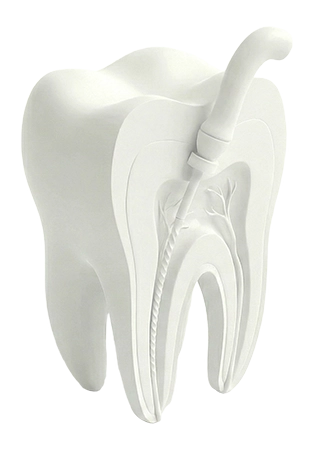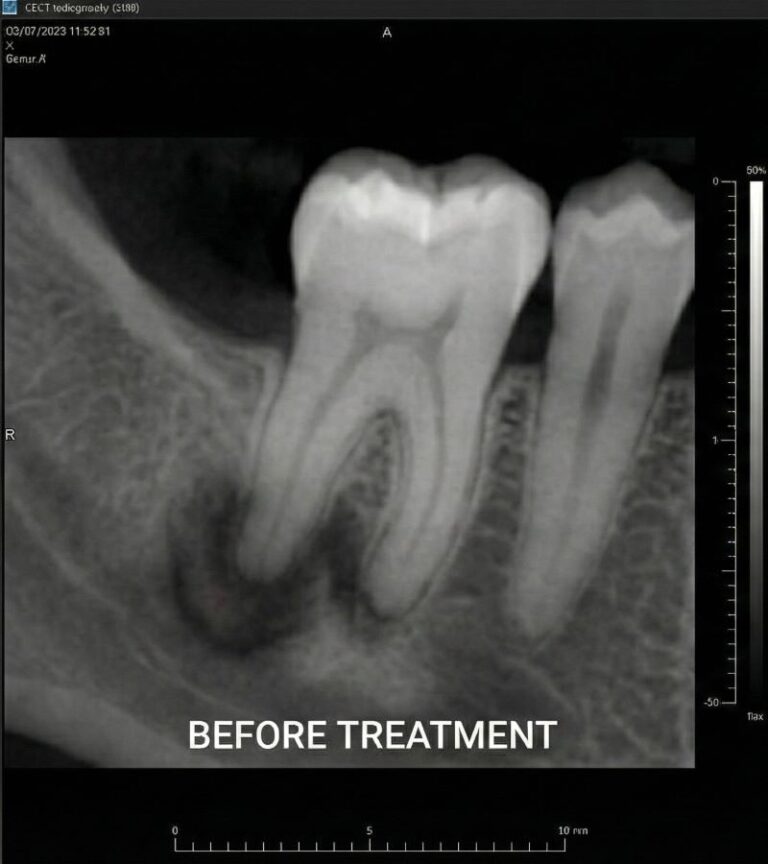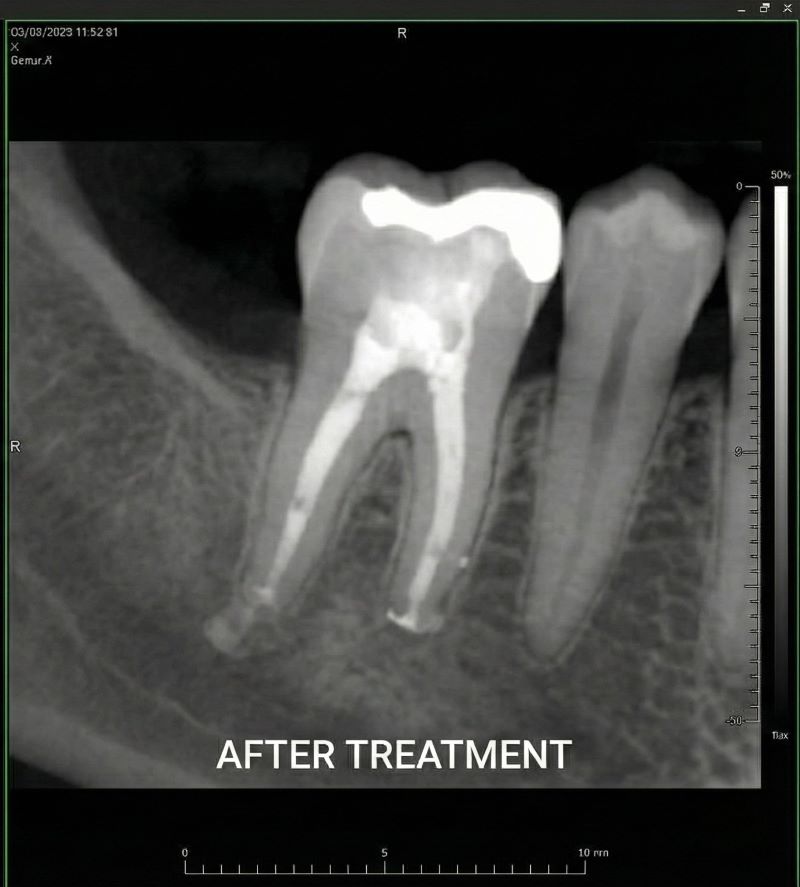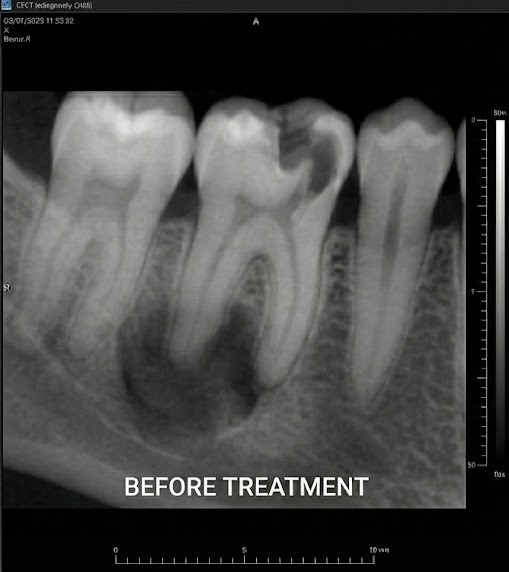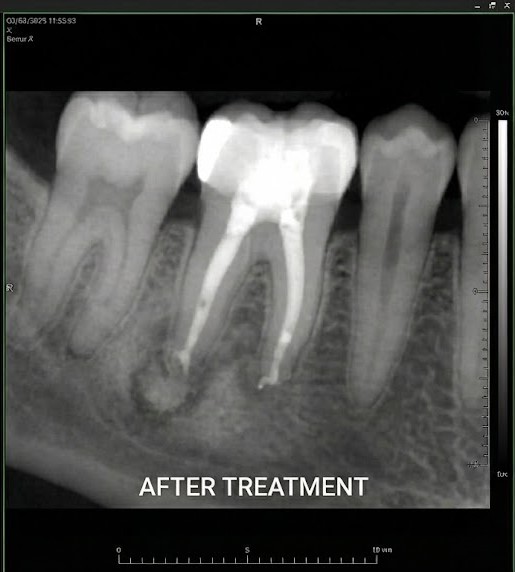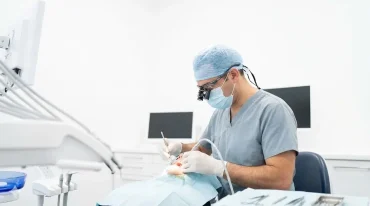
Endodontics focuses on treating infection and inflammation inside the tooth to relieve pain and preserve the natural structure. When decay, trauma or infection reach the dental pulp, endodontic treatment—commonly known as root canal therapy—is used to remove infected tissue, clean and disinfect the canals, and seal the tooth to prevent reinfection.
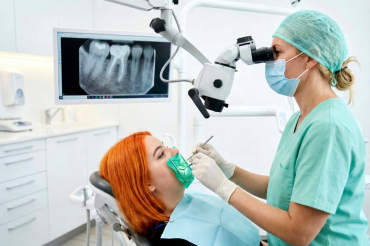
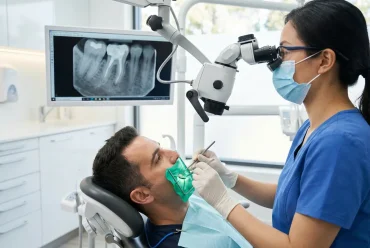
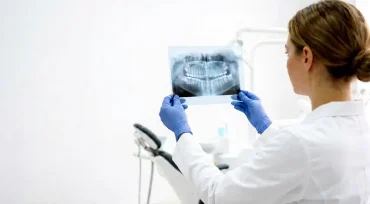
Our endodontic dentists use rotary instruments, digital imaging and microscope-assisted techniques to deliver precise, comfortable care. We also provide retreatment and apicoectomy for complex cases where a previous root canal has failed. By preserving your natural tooth whenever possible, endodontic care often provides a more stable long-term solution than extraction and replacement. Endodontic care includes root canal therapy to treat active infection and retreatment when a previous root canal needs further care to preserve the tooth.
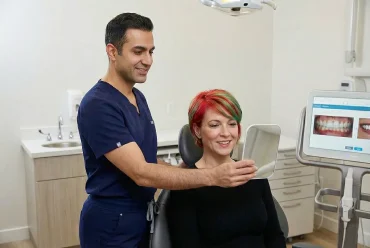
Our endodontic specialists use advanced microscopes and digital imaging to perform precise treatment. Unlike general dentistry, microscopic endodontics helps identify hidden canals and address complex infections while preserving as much natural tooth structure as possible.
💡 Don’t ignore the pain. Acting fast can save your tooth. Call (562) 242-1411 for an emergency exam.
We use modern anaesthetics and tailored sedation options so root canal care stays comfortable. Most patients feel little more than light pressure during treatment.
If you’re in severe pain or have an abscess, we can often start treatment the same day. Our extended hours include evenings and weekends across multiple locations.
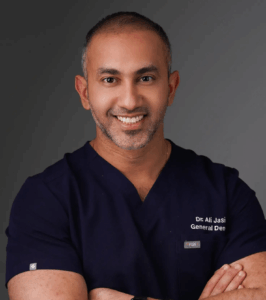
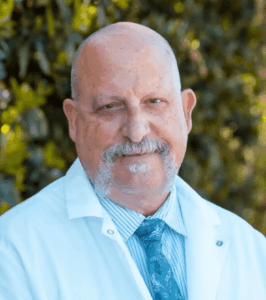
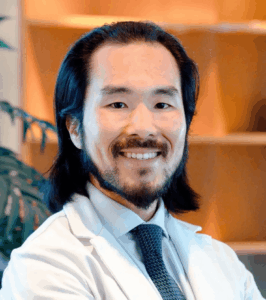
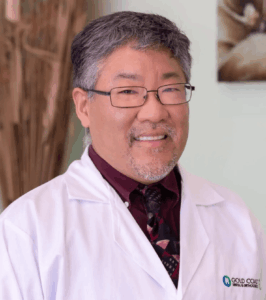
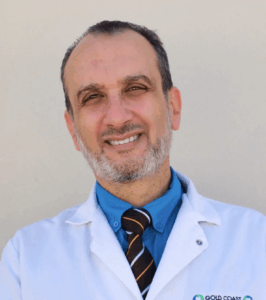
Our team includes experienced endodontists trained in the latest techniques, from rotary instrumentation to operating microscopes, ensuring precision and success.
Endodontic care treats infection inside the tooth to stop pain and prevent extraction, allowing you to keep your natural tooth whenever possible.
Our patients are at the heart of everything we do. Read their stories and discover how compassionate care and trusted dentistry have made a difference in their smiles.
| Aspect | Root Canal | Extraction |
|---|---|---|
| Goal | Preserve your natural tooth by removing infected pulp and sealing the root. | Remove the entire tooth—including roots—to eliminate infection and pain. |
| Procedure | Performed under local anaesthetic; canals are cleaned, shaped and filled. Typically followed by a crown. | Tooth is loosened and removed; socket may require bone graft if future implant is planned. |
| Recovery | Mild soreness for a few days; you can often return to work the next day. | More discomfort and swelling; may need soft foods for several days and time off work. |
| Longevity | With proper care, root canal-treated teeth can last decades and keep your bite stable. | Extraction results in a gap; long-term success depends on replacement (bridge, implant or denture). |
| Cost | Typically more expensive upfront than extraction, but less costly than replacing a missing tooth. | Lower initial cost, but replacement with implant or bridge significantly increases total cost. |
| Best for | Teeth that can be restored and have sufficient bone support. | Severely damaged teeth with poor prognosis or insufficient bone for salvage. |
See how careful planning and modern materials create confidence.
When the pulp inside your tooth becomes inflamed or infected due to decay, trauma or cracks, the pain can be debilitating. Left untreated, infection can spread to the jawbone and surrounding tissues and lead to more serious complications. Endodontic therapy removes the source of infection, preserves your tooth and prevents further damage to neighbouring teeth.
Saving your tooth also maintains chewing function, prevents shifting of adjacent teeth and keeps your jawbone healthy. Extraction may seem like a quick fix, but replacing a tooth with a bridge or implant often costs more time and money and still requires surgery. Our conservative approach ensures we only recommend extraction when absolutely necessary.
When a Root Canal Is Needed — And When Other Options May Be Better
When a Root Canal Is Recommended
When a Root Canal May Not Be Enough
Deep infection has reached the tooth pulp
Tooth is severely fractured below the gum line
Persistent pain when chewing or biting
Insufficient tooth structure to support restoration
Lingering sensitivity to heat or cold
Advanced bone loss around the tooth
Swelling or abscess caused by infection
Vertical root fracture confirmed on imaging
Pulp damage with a restorable crown
Tooth cannot be sealed or stabilised long-term
Cost & Insurance
Endodontic treatment costs vary based on tooth location, infection severity and whether retreatment is required. Many PPO plans cover part of care. We review costs and insurance before treatment begins.
Mild soreness is common for a day or two after treatment. Avoid chewing on the treated tooth until it has been permanently restored.
Brush twice daily with a soft-bristled toothbrush, floss once a day and use an antimicrobial mouth rinse to keep the area clean. Choose soft foods for the first few days and avoid very hot or cold drinks.
Contact us if you notice increasing pain, swelling or any signs of infection so we can evaluate healing promptly.


Find quick answers to the most common questions our patients ask.
Endodontics is a specialised field of dentistry focused on treating the inside of the tooth—the pulp and root canals. Endodontists perform root canals and related procedures to save teeth that would otherwise need extraction.
Yes. Microscopic endodontics allows our specialists to treat complex canals with greater accuracy. Magnification helps improve outcomes, especially in retreatment or complicated cases.
Signs include lingering sensitivity to hot or cold, pain when biting, darkening of the tooth or swelling in the gums. Only a dentist can confirm if the pulp is infected—schedule an exam if you suspect a problem.
Under local anaesthetic, your endodontist makes a small opening in the tooth, removes the infected pulp and cleans and shapes the canals. They then fill the canals with a biocompatible material and seal the tooth. A crown is placed later to restore function.
Modern root canals are virtually pain‑free. Local anaesthetic numbs the tooth, and sedation options can help anxious patients relax. Most people report feeling immediate relief compared to the pain they had before treatment.
Some mild soreness or sensitivity is normal for a few days. Over‑the‑counter pain relievers usually suffice. Avoid chewing on the treated tooth until your final restoration is placed. Contact us if you experience swelling or severe pain.
In most cases, saving your natural tooth with a root canal is preferable. Extraction may initially cost less but requires a replacement like a bridge or implant to maintain function. We’ll evaluate your situation and discuss all options.
If a previously treated tooth doesn’t heal properly or becomes reinfected, retreatment can reopen the tooth, remove the old filling material, disinfect the canals and reseal them. This gives the tooth another chance for success.
During treatment, we use antimicrobial solutions and mechanical cleaning to eliminate bacteria. After treatment, a permanent restoration prevents reinfection. If infection persists, antibiotics or retreatment may be necessary. Contact us if you experience swelling or fever.
Yes. Dental X‑rays use low radiation levels and are essential for diagnosis and guidance. Modern digital radiography further reduces exposure. We follow strict safety protocols to protect you and our staff.
Costs vary based on tooth location and complexity. Front teeth are generally less expensive than molars. Typical fees range from $900 to $1,500 per tooth, excluding the crown. We’ll provide a detailed estimate and discuss insurance and financing options.
We know a great dental experience goes beyond clinical care. Here’s how we make your visits comfortable and stress‑free.
Convenient Scheduling
We’re open seven days a week with evening and weekend appointments at multiple locations. Same‑day visits are available so you never have to wait for relief.
Affordable Excellence
High‑quality dental care should be within reach. We accept most PPO and many HMO plans, offer interest‑free payment plans and have in‑house specials for new patients.
Relaxing Visits
Our modern offices feature state‑of‑the‑art technology, comfortable treatment rooms and entertainment options to help you feel at ease throughout your visit.
Book now and save with our limited‑time offers:
Free X‑rays, exam and consultation. New patients only.
PPO, HMO, or no insurance? We help you understand your available options before treatment begins. We work with most major PPO and HMO plans. If you don’t have insurance, we explain in-house financing and current new-patient offers, including our $49 new patient special.
Many offices are open 7 AM–7 PM, including weekends, for your convenience.
Hours may vary by location. Please call the office to confirm availability.
Store locator is loading from StoreRocket Store Locator App..
اگر شما به زبان فارسی صحبت میکنید و به دنبال دندانپزشک فارسی زبان هستید، کلینیک دندانپزشکی Gold Coast Dental آماده ارائه خدماتی مانند دندانپزشک اورژانس، ایمپلنت، ارتودنسی و زیبایی دندان با انواع بیمه به شماست.
Si usted habla español y está buscando un dentista que hable su idioma, la clínica dental Gold Coast Dental ofrece servicios como emergencias dentales, implantes, ortodoncia y estética dental con diferentes seguros.
한국어를 사용하시고 한국어 가능한 치과를 찾고 계시다면, 골드코스트 덴탈 치과 클리닉은 응급치료, 임플란트, 교정 및 미용 치과 서비스를 다양한 보험과 함께 제공합니다.
如果您说中文并正在寻找讲中文的牙医,Gold Coast Dental 牙科诊所提供紧急牙科、种植牙、牙齿矫正和美容牙科服务,并接受各种保险。
日本語を話される方で日本語対応の歯科医をお探しであれば、Gold Coast Dental 歯科クリニックでは救急歯科、インプラント、矯正歯科、美容歯科など、各種保険対応のサービスを提供しています。
Please call (562) 242‑1411 or find your nearest dentist here.