Trusted by Thousands, Across 23 Locations
Wisdom Teeth Removal
Comfort-Focused Removal for Problem Wisdom Teeth — Phone Support Available 24/7
Extractions remove teeth that are damaged, infected, or crowding others. Wisdom teeth are often removed when they cause pain, swelling, or alignment issues. Treatment planning prioritizes comfort, healing time, and whether replacement options should be discussed early.
Extractions remove teeth that are damaged, infected, or crowding others. Wisdom teeth are often removed when they cause pain, swelling, or alignment issues. Treatment planning prioritizes comfort, healing time, and whether replacement options should be discussed early.
Open weekends including Sundays (hours vary by location).
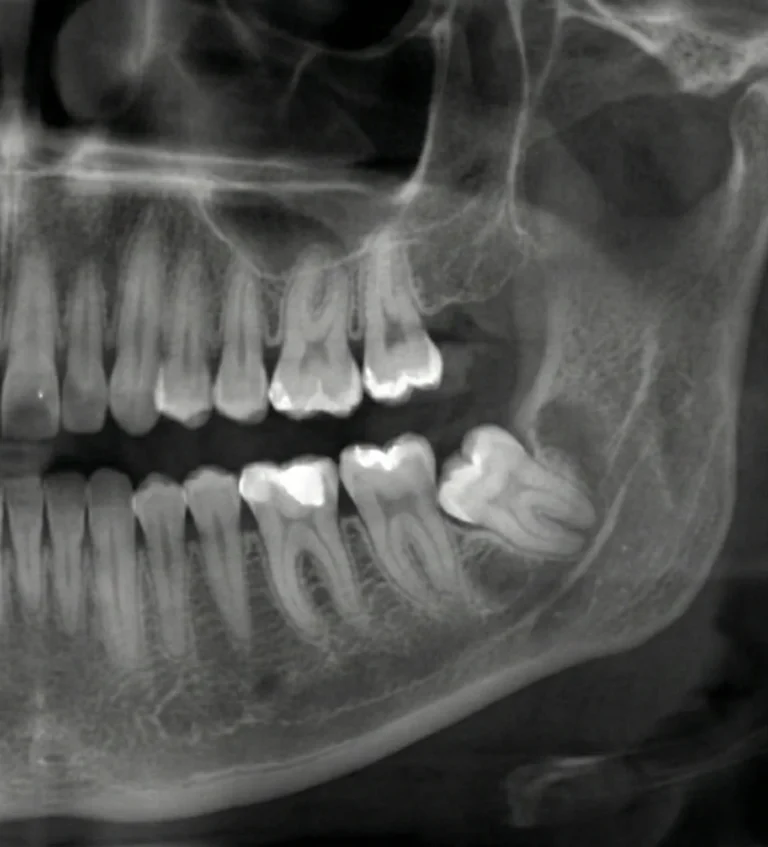
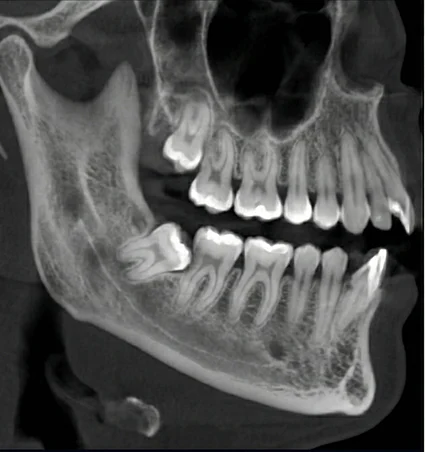
- Indications: Wisdom teeth removal is recommended when third molars cause pain, grow crooked, become impacted, or trap food and debris. Removing them helps lower the risk of infection, decay, gum disease, and cyst formation.
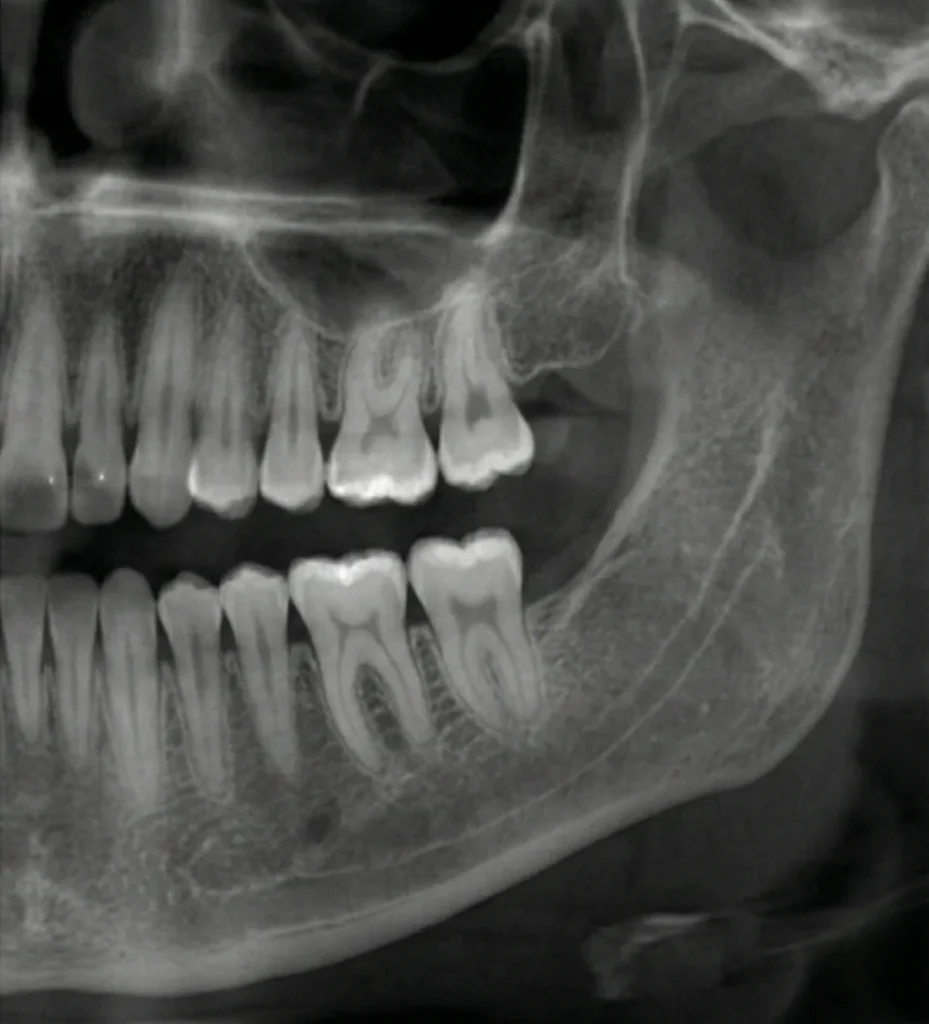
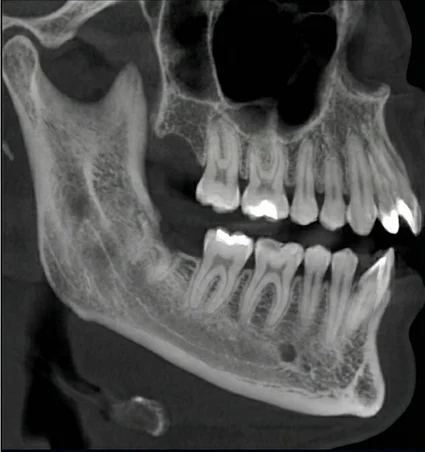
- Typical Ages: Wisdom teeth (third molars) usually erupt between ages 17–25. Most people develop up to four wisdom teeth, one in each quadrant of the mouth.
- Procedure: Most wisdom teeth removals take less than an hour. The area is numbed with local anesthesia, and sedation options such as nitrous oxide or IV sedation may be used depending on case complexity.
- Recovery: Most patients return to school or work within 3–5 days, while full healing usually takes 1–2 weeks. Swelling and discomfort often peak around days three or four.
- Cost: Wisdom teeth removal costs vary based on complexity. Simple extractions are typically lower in cost, while surgical or impacted removals may cost more. A consultation provides an accurate estimate.
- Benefits: Removing wisdom teeth helps prevent crowding, infection, decay, gum disease, and cysts. It also makes oral hygiene easier and protects nearby teeth.