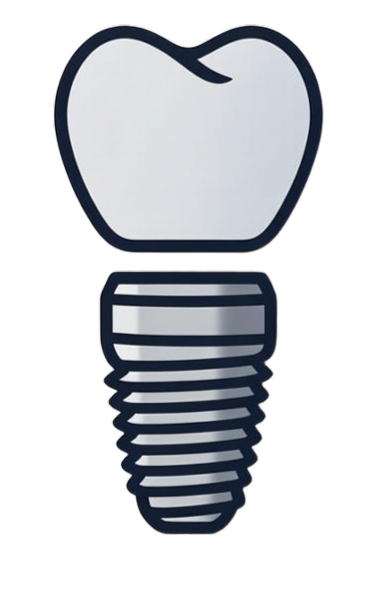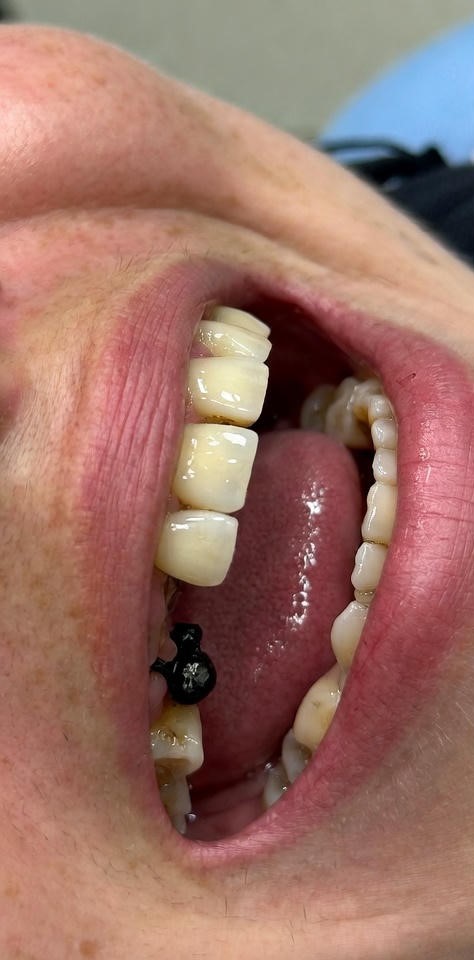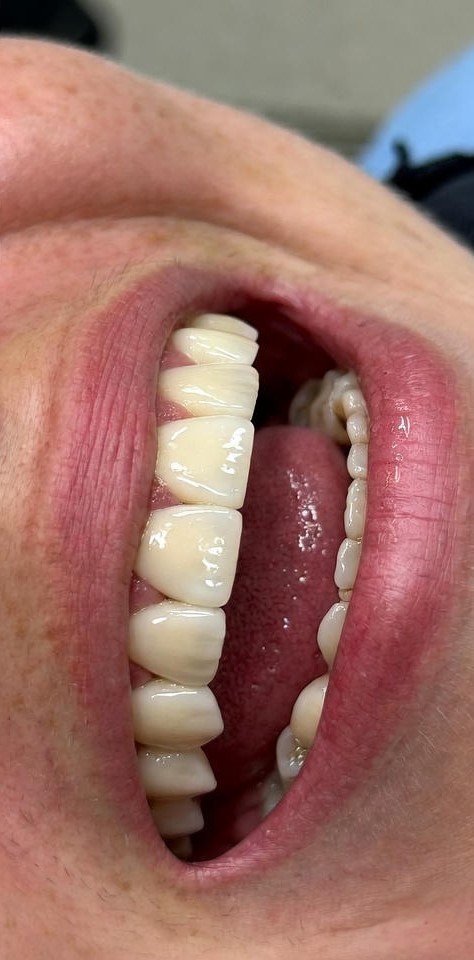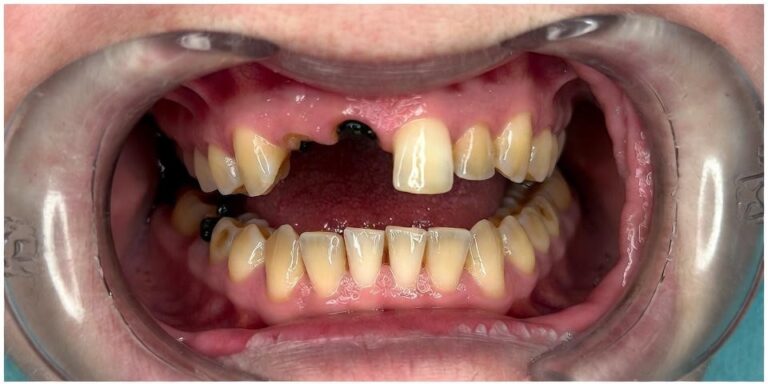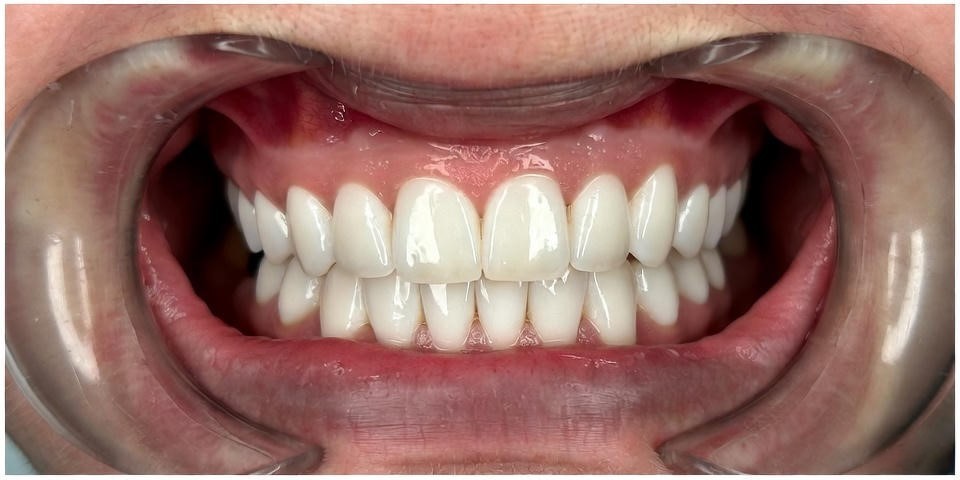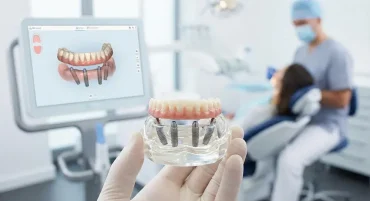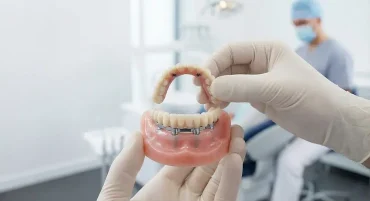
Dental implants are small, threaded posts placed in the jawbone to replace missing tooth roots. Made of biocompatible titanium or ceramic, they bond with the bone and support a crown, bridge, or denture. After healing, implants function like natural teeth and can last for decades with proper care and maintenance.
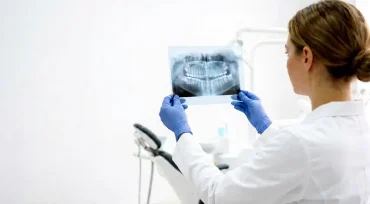
Our dentists use 3D CBCT imaging and guided planning to place implants accurately, reduce discomfort, and support predictable healing.
From single crowns to full-arch implant bridges, each restoration is designed to match your natural teeth in shape, color, and bite function.
Nitrous oxide and oral sedation are available to help you stay relaxed during treatment. We focus on comfort before, during, and after your procedure.

We accept most insurance plans and offer in-house financing. In select cases, treatments such as all-on-4 allow you to leave with fixed teeth on the same day.
Our patients are at the heart of everything we do. Read their stories and discover how compassionate care and trusted dentistry have made a difference in their smiles.
| Feature | Dental Implants |
|---|---|
| Stability & Function | Fixed in the jawbone, allowing comfortable chewing and clear speech similar to natural teeth. |
| Bone Support | Help maintain jawbone density and facial structure by providing stimulation during chewing. |
| Treatment Timeline | Involves surgical placement followed by a healing period of about 3–6 months before final restoration. |
| Longevity | The implant post can last decades with proper care; attached crowns or dentures may need replacement over time. |
| Daily Care | Brushing, flossing, and regular dental visits are required, similar to natural teeth. |
| Best For | Replacing one tooth, multiple teeth, or a full arch when adequate bone support is present. |
Dental implants can be classified by how they are placed in the bone and by how they are used to replace missing teeth.
Implant Type
Placement / Design
What It Replaces or Supports
Best For
Endosteal Implants
Placed directly into the jawbone like a screw
Supports crowns, bridges, or dentures
Most patients with healthy jawbone; the most common implant type
Subperiosteal Implants
Positioned on top of the jawbone but under the gum tissue
Supports replacement teeth without entering the bone
Patients with limited bone who cannot undergo bone grafting
Zygomatic Implants
Anchored in the cheekbone (zygoma)
Supports upper-arch restorations
Rare cases with severe upper jaw bone loss
Single Tooth Implant
One implant with one crown
Replaces a single missing tooth
Patients missing one tooth who want a fixed solution
Implant-Supported Bridge
Two or more implants supporting a bridge
Replaces multiple missing teeth in a row
Multiple missing teeth without relying on adjacent teeth
Full-Mouth Dental Implants
Multiple implants supporting a full arch
Replaces all teeth in one or both arches
Patients seeking a fixed alternative to dentures
All-on-4 Implants
Four strategically placed implants
Supports a full arch of fixed teeth
Extensive tooth loss, including some bone loss
How Dental Implants Work?
Dental implants are placed in the jawbone, allowed to heal and bond with bone, then restored with an abutment and custom crown for long-term stability.
- Subperiosteal Implants: Used when jawbone volume is limited. These implants rest on the bone beneath the gums and support fixed replacement teeth.
- Endosteal Implants: The most common implant type, placed directly in the jawbone to support crowns, bridges, or dentures.
- All-on-4 Implants: Four implants support a full arch of fixed teeth, often reducing treatment time and the need for bone grafting.
- Teeth-in-a-Day: In select cases, temporary fixed teeth are placed the same day as implant surgery.
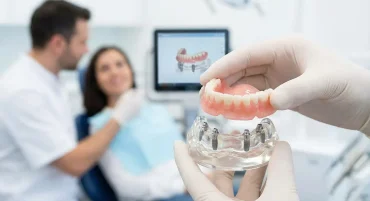
- Implant-Retained Dentures: Dentures secured to implants for improved stability and comfort without adhesives.
- Denture Stabilization: Implants help anchor existing dentures, improving fit and confidence during daily use.
How Long Do Dental Implants Last?
With proper care, dental implants can last 25 years or longer. While the implant post is designed to be permanent, attached crowns or dentures may need replacement every 10–15 years. Daily care and regular dental visits play an important role in long-term success.
Benefits of Dental Implants
Modern implants offer more than a beautiful smile — they restore function, preserve bone and improve your quality of life.
- Improves everyday chewing and speech
- Helps maintain jawbone and facial structure
- Provides long-term stability without adhesives
- Preserves healthy nearby teeth
Contact us immediately if you experience persistent pain, swelling or loosening of your implant.


Find quick answers to the most common questions our patients ask.
Dental implants are small titanium or ceramic posts placed in the jawbone to replace missing tooth roots and support crowns, bridges, or dentures.
The implant is placed in the jawbone, allowed to heal and bond with the bone, then restored with an abutment and a custom crown for long-term stability.
The implant post is designed to be permanent. Crowns or dentures attached to implants may need replacement over time due to normal wear.
With proper care, implants can last 25 years or longer. Regular checkups and good oral hygiene play a key role in long-term success.
Most patients report mild discomfort after surgery, which is usually managed with medication. Sedation options help keep treatment comfortable.
Treatment typically takes several months due to healing time, but some patients qualify for same-day temporary teeth.
Most adults with healthy gums and adequate bone support can receive implants. Bone grafting may help if bone volume is limited.
Implants stay fixed in place, feel more natural, help preserve jawbone, and do not require adhesives.
Options include single-tooth implants, implant-supported bridges, full-arch implants, and All-on-4 solutions depending on your needs.
Daily brushing, flossing, regular dental visits, and avoiding smoking help keep implants healthy and long-lasting.
Cost depends on the number of implants, restoration type, bone health, and whether additional procedures are needed.
Implant failure is uncommon. Risks increase with smoking, gum disease, or poor oral hygiene, which is why follow-up care matters.
Call (562) 242-1411 or schedule a consultation at
👉 https://goldcoastdental.com/book-now
Our team answers phones 24/7 and will review your options.
We know a great dental experience goes beyond clinical care. Here’s how we make your visits comfortable and stress‑free.
Convenient Scheduling
We’re open seven days a week with evening and weekend appointments at multiple locations. Same‑day visits are available so you never have to wait for relief.
Affordable Excellence
High‑quality dental care should be within reach. We accept most PPO and many HMO plans, offer interest‑free payment plans and have in‑house specials for new patients.
Relaxing Visits
Our modern offices feature state‑of‑the‑art technology, comfortable treatment rooms and entertainment options to help you feel at ease throughout your visit.
Book now and save with our limited‑time offers:
Free X‑rays, exam and consultation. New patients only.
PPO, HMO, or no insurance? We help you understand your available options before treatment begins. We work with most major PPO and HMO plans. If you don’t have insurance, we explain in-house financing and current new-patient offers, including our $49 new patient special.
Many offices are open 7 AM–7 PM, including weekends, for your convenience.
Hours may vary by location. Please call the office to confirm availability.
Store locator is loading from StoreRocket Store Locator App..