What is clear aligner treatment and who is it for?
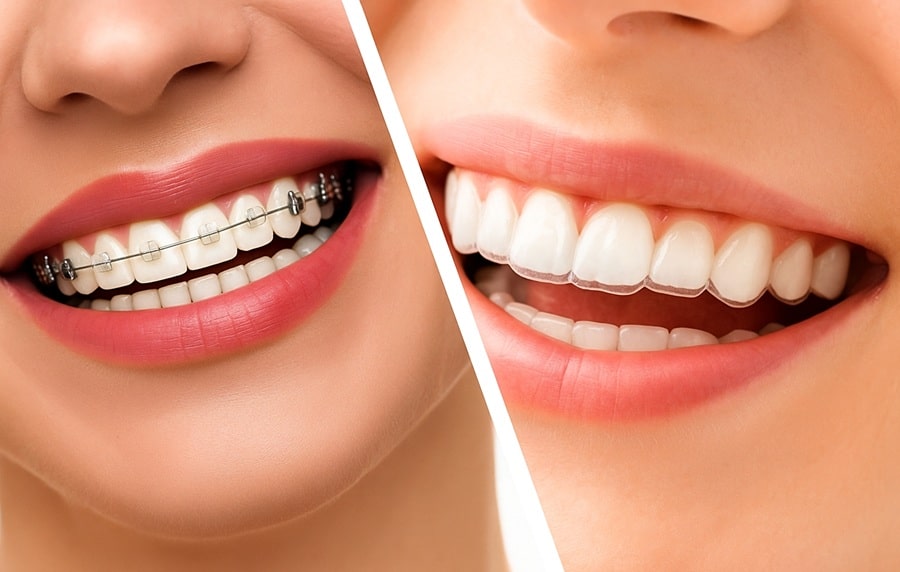
Clear aligners straighten teeth with thin, nearly invisible trays that apply controlled forces. They’re popular for adults and teens who want a low‑profile look and easy hygiene. We treat cases in many cities near you.
Patients choose clear aligners for comfort, fewer food limits, and smooth surfaces. You remove trays to eat and brush, which keeps routines simple. Teens can use compliance indicators and parents appreciate weekend hours.
How much is Invisalign? Cost, insurance & budgeting
Invisalign costs vary by case complexity, number of aligners, and any refinements.
Figure 1. Typical costs, wear time, and appointment rhythm (national ranges)
| Case Type | Typical Fee Range | Estimated Trays | Average Time | Visit Rhythm |
|---|---|---|---|---|
| Mild (Express/Lite) | $3,000–$4,500 | 10–20 | 3–8 months | Every 6–10 weeks |
| Moderate | $4,500–$6,000 | 20–35 | 8–14 months | Every 8–10 weeks |
| Complex | $6,000–$7,500+ | 35–50+ | 12–18+ months | Every 8–12 weeks |
Insurance may cover a portion, especially for teens. HSA/FSA dollars often apply. Our team explains benefits up front and can build a monthly plan.
Compare options here: Orthodontics, Invisalign service page, and urgent fixes at Emergency Dentistry.
How does Invisalign work? What to expect step by step
Invisalign starts with digital scans and a plan that sequences movements in small, safe steps. You wear each tray 20–22 hours per day and usually change weekly. Attachments create grip points; slenderizing (IPR) opens tiny spaces for crowded teeth; elastics guide bite changes.
- Consult & records: photos, 3D scan, and a bite check. We set goals and explain options.
- Plan review: we walk through a 3D preview so you can see staged movements.
- Tray pickup: the first set, plus instructions, cases, and a cleaning guide.
- Check‑ins: short visits to swap trays, add attachments, or place elastics.
- Refinements: extra trays near the end to polish details as needed.
- Retention: clear retainers hold your new smile in place at night.
Does Invisalign work for common bite issues?
Invisalign can correct spacing, mild crowding, and certain overbites and crossbites. Elastics and attachments help molar relationships and overjet in many adult Class II cases. Complex jaw discrepancies may need braces or combined treatment; we’ll advise you at consult.
- Overbite: elastics and precision wings can reduce overjet in selected cases.
- Open bite: aligners can intrude posterior teeth and tip incisors in some adults.
- Crowding: staged expansion and small IPR are common tools.
- Relapse: light cases often finish faster with aligners than brackets.
Unsure if clear trays or brackets are better? See our Orthodontics overview for a side‑by‑side look.
Does Invisalign hurt? Comfort, speech & daily life
Invisalign pressure peaks the first 24–48 hours of a new set, then fades. Chewies help seat trays. Speech can sound different for a day or two; most people adapt fast. Keep lip balm handy and drink extra water to counter dry mouth.
- Soreness: consider a short course of OTC pain relief if needed.
- Lips & cheeks: edges are smooth; call if you feel rough spots.
- Sports: remove trays for contact sports and use a mouthguard.
- Travel: pack your next set and a small brush in your carry‑on.
How to clean aligner trays and keep them clear
Rinse when you remove them, then brush gently with a soft brush and clear soap. Skip hot water. Soak in an approved cleaner a few times a week. Coffee and tea can stain; water is the safest drink with trays in.
Use a dedicated invisalign cleaner if you notice cloudiness. If you enjoy lattes, set a reminder to brush before trays go back in. Carry travel cases to avoid damage or loss.
How long does treatment take and how are trays scheduled?
Most cases run 6–18 months based on tooth movement goals and how closely you hit 20–22 hours/day. Many patients change trays every 7 days; some plans use 10–14 days when movements are larger.
Retainers protect results. Lost or broken trays happen; contact us early for a replacement plan.
Why choose clear aligners vs. braces?
Clear trays are low profile, removable, and allow easy brushing. Braces can be better for big rotations or vertical changes. We’ll guide you toward the right option at your exam.
Figure 2. Clear aligners vs. braces—quick comparison
| Feature | Clear Aligners | Braces |
|---|---|---|
| Look | Nearly invisible | Visible brackets |
| Eating | Remove to eat | Food limits |
| Hygiene | Brush/floss normally | More tools needed |
| Great for | Mild–moderate cases | Complex tooth moves |
| Typical cost | $3,000–$7,500 | $3,000–$7,000 |
If you decide later to replace a worn tooth, read about Dental Implants.
What are the risks and how do we reduce them?
Risks include irritation, staining from dark drinks, and slower movement if wear time slips. We reduce risks with good fit checks, edge polishing, and coaching on wear. Most issues are small and easy to manage.
- Staining: tea and coffee darken plastic faster than water.
- Lost aligners: bring the current set and the previous set to visits.
- Unplanned movement: refinements add trays to finish details.
Who is a good candidate and when are braces better?
Great candidates want a discreet look, can commit to 20–22 hours/day, and have mild to moderate crowding or spacing. Cases with large rotations, big vertical changes, or jaw length issues may respond better to braces or combined care.
Preparation & aftercare tips
- Bring a list of goals—crowding to fix, spaces to close, or bite issues to address.
- Stock a soft brush, chewies, trays case, and travel kit.
- Use a timer or app check‑ins to keep wear time on track.
- Brush after coffee or soda before trays go back in.
- Wear retainers nightly once you finish.
Need same‑day help with a rough edge or lost tray? Our team in California and Texas can help—see Emergency Dentistry.
Ready to start? What happens at your first visit
We review your goals, check your bite and gums, and scan your teeth. You’ll leave with a clear plan, a timeline estimate, and costs. If aligners aren’t the right tool, we’ll explain options and set a smart path forward.
People usually ask
- How much does invisalign cost? See the ranges above; we’ll quote your case after records.
- How long does invisalign take? Often 6–18 months, tied to complexity and wear time.
- Does invisalign hurt? Expect pressure for a day or two after new trays.
- How to clean invisalign? Rinse, soft‑brush, gentle cleanser; avoid hot water.
- Is invisalign cheaper than braces? Costs are usually comparable; case type decides.
- Does insurance cover invisalign? Many plans help, especially for teens.
- Can invisalign fix overbite? Often for mild cases with elastics; we’ll assess.
- Invisalign for teens reviews? Teens like the look; compliance indicators help.
Clinical notes & technical details
- Material: Modern trays use a multi‑layer thermoplastic (often called SmartTrack) designed for steady force delivery.
- Wear protocol: Most plans target 20–22 hours/day with weekly changes; some movements need 10–14 days.
- Attachments: Tooth‑colored shapes increase surface grip for rotations, extrusions, and torque.
- Elastics: Class II elastics can aid overjet correction; skeletal changes are limited in adults.
- Hygiene: Clear trays help plaque control vs. brackets; gum health tends to score better with good home care.
Sources behind the guidance (selected)
- Effectiveness and scope of clear aligners in mild–moderate cases; umbrella/scoping reviews and meta‑analyses support selective use.
- Wear time of 20–22 hrs/day and weekly changes; patient compliance improves outcomes.
- Speech effects are usually temporary; most patients adapt quickly.
- Beverage staining is greatest with coffee and tea compared to water.
- Clear trays can support better periodontal indices than brackets in motivated patients.
- Class II elastics with aligners can improve molar relationships; jaw changes are limited.
Ready for straighter teeth?
Invisalign can be a simple, low‑profile way to align your smile. Gold Coast Dental has 19+ clinics across California and Texas—find your nearest Gold Coast Dental location, call us now (562) 242-1411, or book a session. For local tips on providers and insurance, read more about dental care in your area. We’re happy to help you plan costs, timing, and next steps.