A tooth abscess is a pocket of infection that can develop around the root of a tooth or in the gums. It may cause throbbing pain, swelling, pressure, sensitivity, or a small bump on the gums. Some infections cause surprisingly little pain, which can make them easy to miss.
At Gold Coast Dental, we see tooth infections at many different stages. Early treatment can sometimes help us save the tooth, while a more advanced infection may require additional care or even oral surgery. Knowing the signs of an abscess and having the area checked promptly can limit further damage and give us a clearer picture of the treatment options available.
What Is a Tooth Abscess?
A tooth abscess is a pocket of pus caused by a bacterial infection. It can develop when bacteria reach the inner part of a tooth, the tissues around the root, or the gums.
| Type of Abscess | Where It Develops | Common Causes |
|---|---|---|
| Periapical abscess | Near the tip of a tooth root | Deep decay, a crack, trauma, or infection inside the tooth |
| Periodontal abscess | In the gums and tissues supporting the tooth | Gum disease, deep periodontal pockets, or trapped bacteria |
A periapical abscess often starts when bacteria reach the pulp, the soft tissue inside the tooth that contains nerves and blood vessels. As the infection moves through the root, pus can collect near the root tip and create pressure, pain, or swelling.
A periodontal abscess starts in the gums or supporting tissues around a tooth. It may develop in an area affected by gum disease, especially where a deep pocket gives bacteria room to collect.
Both types need dental attention. During an exam, we can identify where the infection started, check the health of the tooth and surrounding tissues, and recommend treatment based on what we find.
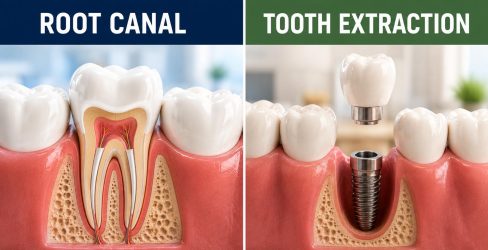
📚 Related reading: Root Canal vs. Tooth Extraction – Costs, Pain & Recovery
What Causes a Tooth Abscess?
A tooth abscess usually develops when bacteria enter an area they normally cannot reach. Once bacteria get inside a tooth or deep below the gumline, the infection can move into nearby tissues.
- Untreated tooth decay: A deep cavity can eventually reach the pulp inside the tooth, allowing bacteria to infect the nerves and blood vessels. Dry mouth can raise the risk of tooth decay because lower saliva levels make it harder to wash away food particles, neutralize acids, and protect enamel.
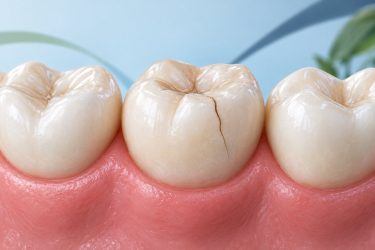
- Cracked or broken teeth: Even a small crack can create an opening that lets bacteria reach deeper layers of the tooth.
- Dental trauma: A hard hit can injure the pulp even when the tooth has no obvious crack. Damaged tissue inside the tooth may later become infected.
- Gum disease: Deep periodontal pockets can trap bacteria around the roots of teeth and lead to an abscess in the gums.
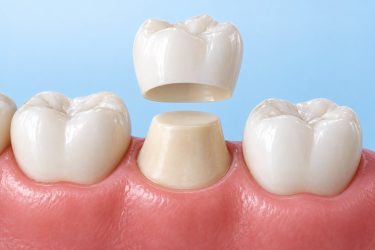
- Failed or damaged dental work: A loose filling, damaged crown, or older restoration may allow bacteria to enter beneath it.
- Partially erupted teeth: Teeth that have only partly come through the gums, including some wisdom teeth, can create spaces where food and bacteria collect.
In many cases, the original problem starts small. A cavity, crack, or irritated area of gum tissue can progress as bacteria move deeper. Regular dental exams can help us catch some of these problems before an infection reaches the abscess stage.
What Does a Tooth Abscess Feel Like?
Symptoms vary based on where the infection sits and how far it has progressed. Some people develop intense pain quickly, while others notice swelling, pressure, or tenderness before the tooth begins to hurt.
| Symptom | What You May Notice |
|---|---|
| Throbbing or persistent tooth pain | Deep, sharp, or pulsing pain that may spread into the jaw, ear, or nearby teeth |
| Pain when biting or chewing | Tenderness or pressure when you put force on the affected tooth |
| Sensitivity to hot or cold | A strong reaction to temperature changes, especially when the pulp is inflamed or damaged |
| Swollen or tender gums | Redness, soreness, or swelling around the affected tooth |
| A bump on the gums | A small pimple-like area that may release fluid or pus |
| Bad taste or bad breath | An unpleasant taste or odor caused by drainage from the infection |
| Swelling in the face or jaw | Puffiness around the cheek, jaw, or lower face |
| Fever or swollen lymph nodes | Signs that the body may be responding to an infection that is spreading |
Pain can also come and go. If a tooth that hurt badly suddenly feels better, we still recommend having it examined. An abscess may have drained and relieved pressure, or the nerve inside the tooth may have become badly damaged.
Can You Have a Tooth Abscess Without Pain?
Yes. Some tooth abscesses cause little or no pain, especially in the earlier stages or after the nerve inside the tooth has been badly damaged.
A tooth may also stop hurting after an abscess begins to drain. Drainage can relieve pressure around the tooth and make the area feel better for a while. The infection can still remain in the tooth, gums, or surrounding bone.
Other signs become more important when pain is mild or absent. You may notice a small bump on the gums, swelling, tenderness when chewing, a bad taste, drainage, or a tooth that feels different when you bite.
If you notice any of these changes, we can examine the area and take dental X-rays when needed to look for infection around the tooth or root. Finding the problem earlier can give us more options for treating the infection and protecting the tooth.
Complimentary New Patient Offer
Get Seen by a Dentist Today
Your initial exam and X-rays are complimentary. Call Gold Coast Dental or choose your nearest location and schedule an appointment online.
What Does a Tooth Abscess Look Like?
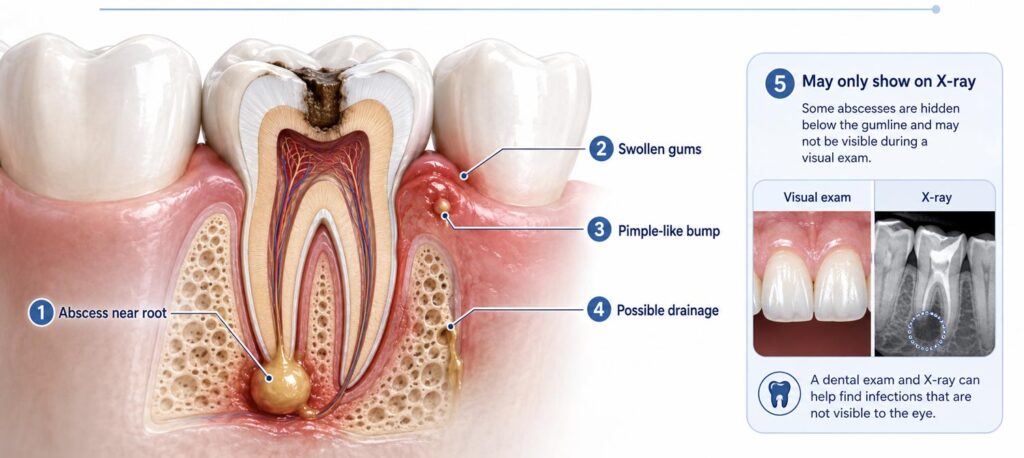
A tooth abscess does not always have an obvious appearance. Some develop deep around the root of a tooth and may only show up during a dental exam or on an X-ray.
When signs are visible, the gums may look red, swollen, or raised around the affected tooth. You may also notice a small pimple-like bump on the gums that releases fluid or leaves a bad taste in your mouth. As an infection worsens, swelling can spread into the cheek or jaw.
Changes around a tooth are worth having checked, especially when they appear with pain, pressure, tenderness, or drainage. We can examine the area and determine if the problem starts in the tooth, the gums, or another nearby structure.
Is a Tooth Abscess an Emergency?
A tooth abscess needs dental care because infection can spread beyond the tooth and surrounding gums. The urgency depends on your symptoms and how quickly they are changing.
📞 Call Us as Soon as You Notice Symptoms
Tooth pain, tenderness when chewing, a bump on the gums, drainage, or localized swelling requires emergency dental care and should be checked promptly. Even if the discomfort feels manageable, an exam can help us find the source of the infection and see if we still have a good chance to save the tooth.
Seek Same-Day Dental Care for Worsening Symptoms
Increasing pain, spreading swelling, fever, or swelling around the cheek or jaw can mean the infection is becoming more active. Contact us right away so we can evaluate the area and determine how quickly dental treatment needs to begin.
Get Emergency Medical Care for Severe Swelling
Trouble breathing or swallowing, significant swelling in the face or neck, confusion, or rapidly worsening symptoms can signal that an infection has spread beyond the tooth. Seek immediate medical care for these symptoms.
If you are unsure how urgent your symptoms are, call us. We can help you decide if you need a dental appointment right away or emergency medical care.
Can a Tooth Abscess Go Away on Its Own?
A tooth abscess usually does not clear up without dental treatment. Symptoms can improve temporarily if the abscess drains and pressure around the tooth decreases, but the infection may remain inside the tooth or surrounding tissues.
Pain may also fade if the nerve inside the tooth dies. Because the tooth no longer hurts as much, it can seem like the problem has resolved even while bacteria and infection remain.
Leaving an abscess untreated can allow the infection to affect nearby gums, bone, or other tissues. If you suspect a tooth infection, we recommend coming in for an exam so we can find the source, see how much tissue the infection has affected, and discuss the care you may need.
Will Antibiotics Cure a Tooth Abscess?
Antibiotics may help when a dental infection is spreading or causing symptoms such as fever, facial swelling, or swollen lymph nodes. Your dentist will decide if medication is appropriate based on the type and severity of the infection.
Antibiotics alone often do not remove the source of a tooth abscess. Depending on what we find during your exam, treatment may include:
- Root canal therapy: to remove infected tissue from inside the tooth, clean the canals, and help preserve the tooth
- Drainage: to release pus and reduce pressure in the infected area
- Periodontal treatment: when the infection starts in the gums or supporting tissues
- Tooth extraction: when the tooth has too much damage to restore predictably
If we prescribe antibiotics, take them exactly as directed. We will also treat the dental problem that allowed the infection to develop so the area has a better chance to heal and the infection is less likely to return.
Complimentary New Patient Offer
Get Seen by a Dentist Today
Your initial exam and X-rays are complimentary. Call Gold Coast Dental or choose your nearest location and book an appointment online.
How Dentists Treat a Tooth Abscess
Treatment depends on where the infection started, how much damage has occurred, and the condition of the tooth and surrounding tissues. During your exam, we look at the tooth, gums, surrounding bone, and dental X-rays before recommending care.
| Treatment | When It May Be Used | What It Does |
|---|---|---|
| Root canal therapy | Infection has reached the pulp and the tooth can still be restored | Removes infected tissue from inside the tooth, cleans the canals, and seals the space |
| Drainage | Pus has collected and is causing swelling or pressure | Releases infected fluid and helps relieve pressure |
| Periodontal treatment | The abscess started in the gums or supporting tissues | Cleans the infected area around the tooth and treats the gum problem |
| Tooth extraction | The tooth has severe damage or cannot be restored predictably | Removes the infected tooth so the area can begin healing |
| Antibiotics | The infection is spreading or causing certain systemic symptoms | Helps control bacterial infection when your dentist determines medication is appropriate |
Can an Abscessed Tooth Be Saved?
We can save many abscessed teeth, especially when the tooth still has enough healthy structure and support. Root canal therapy is a type of endodontic treatment used when infection reaches the pulp inside the tooth. We remove the infected tissue, clean and seal the canals, and preserve the natural tooth when it can still be restored.
The outlook depends on several factors, including the size and location of the infection, how much healthy tooth remains, the condition of the surrounding bone and gums, and the presence of a deep crack or other structural damage.
When you come in, we can examine the tooth and review your X-rays to see how much damage has occurred. If the tooth has a good chance of lasting, we will explain the treatment and the restoration it may need afterward. If the tooth cannot be restored reliably, we can discuss extraction and replacement options that fit your dental needs and treatment plan.
What Happens If You Ignore a Tooth Abscess?
A tooth abscess can become harder to treat when the infection has time to spread. The course varies from person to person, but several problems can develop as bacteria affect more of the tooth and surrounding tissues.
🩻 The Infection Can Damage Nearby Bone and Gums
An infection around the root can affect the bone that supports the tooth. Gum tissue around the area may also become swollen, tender, or damaged, and deeper infection can reduce the support around the tooth.
🦷 The Tooth May Become Harder to Save
As decay, infection, or structural damage progresses, fewer treatment options may remain. Having the tooth checked earlier can improve the chances that we can preserve enough healthy structure to restore it.
😣 Swelling Can Spread
In some cases, swelling extends into the jaw, cheek, face, or neck. Fever and swollen lymph nodes may also develop as the body responds to the infection.
🚨 Serious Infections Need Immediate Care
Dental infections can occasionally spread beyond the mouth and become a medical emergency. Trouble breathing or swallowing, major facial or neck swelling, confusion, or rapidly worsening symptoms require immediate medical attention.
If you think you may have a tooth abscess, contact us before symptoms become more severe. We can examine the area, find the source of the infection, and explain what treatment may be needed.
What Can You Do Until You See a Dentist?
If you are waiting for a dental appointment, a few simple steps may help with discomfort and keep the area cleaner:
- Rinse gently with warm salt water: A gentle rinse may soothe irritated gums and help clear debris.
- Keep brushing and flossing carefully: Clean around the area unless it is too painful to do so.
- Avoid chewing on the affected side: Give the sore tooth a break if pressure makes it hurt.
- Choose softer foods: Avoid very hot, cold, or sugary foods if they trigger pain.
- Use over-the-counter pain medication as directed: Only take a medication that is safe for you.
- Do not place aspirin directly on the tooth or gums: Aspirin can irritate or burn the tissue.
- Do not try to pop, squeeze, or drain an abscess yourself: Trying to drain it can injure the area and will not treat the dental source of the infection.
These steps may make you more comfortable for a short time, but they do not treat the infection itself. Schedule an exam so we can identify the cause and begin appropriate dental treatment before the problem has more time to progress.
How We Diagnose a Tooth Abscess at Gold Coast Dental

Finding the source of the infection helps us choose the right treatment and assess the condition of the tooth. We usually start by asking about your symptoms, when they began, and what seems to make the pain or swelling better or worse.
During the exam, we check for tenderness, swelling, drainage, cracks, decay, and changes in the surrounding gums. We may also gently test how the tooth responds to pressure, temperature, or other stimuli when those tests can help us understand the health of the pulp.
Dental X-rays can reveal changes around the root or surrounding bone and show problems that are not visible above the gumline. After we identify where the infection is coming from, we can explain what we found and talk through the treatment options with you.
If you come to us with significant pain or swelling, we also check for signs that the infection may be spreading and determine how quickly treatment should begin.
When Should You See a Dentist for a Tooth Abscess?
We recommend scheduling a dental exam as soon as you notice signs of a possible abscess, especially if symptoms are getting worse, return after improving, or begin to affect eating and daily activities.
Call us if you notice:
- Persistent or throbbing tooth pain
- Swelling around a tooth or along the gums
- A pimple-like bump on the gums
- Pain when biting or chewing
- Drainage or a bad taste in your mouth
- Facial or jaw swelling
- Pain that suddenly improves after being severe
Even if the pain is mild, an exam can help us find the cause before the infection has more time to spread or damage the tooth and supporting tissues.
Here at Gold Coast Dental, we can evaluate the area, take X-rays when needed, and explain your treatment options. If you are dealing with pain, swelling, drainage, or another sign of infection, contact us to schedule an appointment.
Get a Tooth Abscess Checked at Gold Coast Dental
Tooth pain, swelling, drainage, or a bump on the gums can all point to an infection that needs attention. The sooner we can examine the area, the sooner we can explain what is happening, address your discomfort, and discuss the treatment options available for the tooth.
At Gold Coast Dental, we treat tooth infections with care focused on controlling the infection, protecting surrounding tissues, and saving the natural tooth when possible.
📞 Schedule an appointment today if you have tooth pain, swelling, drainage, or other signs of a possible tooth infection.
Complimentary New Patient Offer
Get Seen by a Dentist Today
Your initial exam and X-rays are complimentary. Call Gold Coast Dental or choose your nearest location and schedule an appointment online.