What you eat and drink can affect your mouth in several ways. Sugar can feed cavity-causing bacteria. Acid can soften enamel. Sticky foods may remain on teeth longer, while frequent snacks and drinks can keep the mouth acidic throughout the day.
Saliva helps protect against these effects. It washes away food, weakens acids, and supplies minerals that support enamel. The mouth needs time between eating and drinking for saliva to do that work.
A food or drink’s effect on your teeth depends on several factors:
- How often you have it
- How long it stays in contact with your teeth
- Whether you sip or snack over a long period
- How sticky it is
- How much saliva you produce
- Whether you use fluoride toothpaste
- How well you clean your teeth
A sweet drink finished with a meal may affect the mouth differently than the same drink sipped for several hours. A piece of fruit may also affect teeth differently than juice because chewing whole fruit supports saliva and the sugar remains within the fruit’s structure.
Key Terms to Know
| Terms | What It Means |
|---|---|
| Enamel | The hard outer layer that protects each tooth |
| Plaque | A sticky film of bacteria that forms on teeth |
| Demineralization | Mineral loss that weakens enamel |
| Remineralization | The return of minerals to early weakened enamel |
| Erosion | Direct enamel wear caused by acid |
| Saliva | The fluid that moistens the mouth and helps protect teeth |
The full eating pattern matters more than one food or drink. Frequent exposure to sugar and acid can raise risk, while water, balanced meals, fluoride, and good oral care can help protect the teeth.
Cavities and Enamel Erosion Are Not the Same
Cavities and enamel erosion can both weaken teeth, but they happen in different ways.
A cavity begins when bacteria in plaque break down sugar and other fermentable carbohydrates. The bacteria produce acids that pull minerals from enamel. If that mineral loss continues, a hole can form in the tooth.
Enamel erosion does not depend on bacteria. It happens when acids from foods, drinks, or the stomach come into direct contact with teeth. Over time, repeated acid exposure can thin and soften enamel.
The difference matters because prevention is not exactly the same. Reducing sugar can lower cavity risk, but a sugar-free drink may still be acidic enough to affect enamel. Fluoride can help strengthen early weakened enamel, but enamel that has already worn away does not grow back.
Cavities
- Caused by acids produced by plaque bacteria
- Often linked to sugar, frequent snacks, sweetened drinks, and refined starches
- Bacteria drive the damage
- Early signs can include white spots, sensitivity, and small areas of decay
- Early mineral loss may improve with fluoride and saliva
Enamel Erosion
- Caused by direct contact with acids
- Often linked to soda, sports drinks, energy drinks, citrus, juice, and sour candy
- Bacteria are not involved
- Early signs can include smooth or shiny enamel, sensitivity, thinning, and rounded edges
- Softened enamel may reharden, but lost enamel cannot grow back
A person can have cavities and erosion at the same time. For example, regular soda contains sugar that feeds bacteria and acids that touch enamel directly. Diet soda may reduce the sugar-related risk, but repeated acid exposure can still wear down the tooth surface.
How Sugar Leads to Tooth Decay
Sugar does not damage teeth on its own. The problem starts when bacteria in plaque use sugar and other fermentable carbohydrates for energy. As the bacteria break them down, they produce acids that remove minerals from enamel.
Saliva can help neutralize those acids and return minerals to the tooth surface. Teeth may recover from a small amount of mineral loss. Trouble begins when acid attacks happen too often or last too long. Over time, the enamel can weaken enough for a cavity to form.
Common sources of sugar include:
- Soda and sweetened tea
- Candy and baked goods
- Sweetened coffee drinks
- Sports and energy drinks
- Juice and fruit drinks
- Honey, syrups, and sweet sauces
- Flavored yogurt and sweetened cereal
Refined starches can also add to cavity risk. Crackers, chips, white bread, and similar foods can break down into sugars in the mouth. Some also stick in grooves or between teeth, which gives bacteria more time to use them.
Added Sugar, Free Sugar, and Natural Sugar
Sugar affects the mouth in different ways.
- Added sugar: Found in soda, candy, flavored coffee, and sweetened cereal. These foods and drinks often create a concentrated sugar exposure.
- Free sugar: Found in juice, honey, syrup, and fruit concentrate. It reaches the teeth easily and can feed plaque bacteria.
- Sugar in whole fruit: Found in apples, berries, oranges, and other fruits. The sugar stays partly contained within the fruit’s structure and usually comes with fiber.
- Lactose: Found in plain milk and unsweetened dairy. It is generally less likely to cause decay than many added sugars.
Whole fruit affects the mouth differently than fruit juice. Chewing fruit can stimulate saliva, while juice spreads sugar and acid across the teeth more quickly.
Limit added sugars, reduce repeated exposure, and avoid letting sweet foods or drinks stay on the teeth for long periods.
Why Snacking and Sipping Frequency Matter
The mouth needs time to recover after eating or drinking. Each time sugar or acid reaches the teeth, saliva begins working to dilute it, neutralize acids, and return minerals to enamel.
Frequent snacking or slow sipping can interrupt that recovery. The teeth face another exposure before the mouth has fully returned to a healthier balance.
Consider the difference between:
- Drinking a soda with lunch
- Sipping the same soda from noon until late afternoon
The total amount may be the same, but the second habit exposes the teeth again and again.
Common habits that can extend sugar or acid exposure include:
- Grazing throughout the day
- Keeping hard candy or mints in the mouth
- Drinking sweetened coffee over several hours
- Sipping sports drinks during routine activities
- Giving children juice in a bottle or cup between meals
- Repeatedly eating crackers, chips, or sticky snacks
Both the amount and frequency matter. A large amount of sugar can raise risk, and smaller amounts can also cause problems when they reach the teeth many times during the day.
A lower-risk pattern leaves more time between snacks and sweetened drinks. Clearer meals and snack times give saliva more time to protect the teeth between exposures.
Complimentary New Patient Offer
Get Seen by a Dentist Today
Your initial exam and X-rays are complimentary. Call Gold Coast Dental or choose your nearest location and schedule an appointment online.
How Acidic Foods and Drinks Wear Down Enamel
Acidic foods and drinks can soften enamel even when they contain little or no sugar. This process is called dental erosion.
Enamel is the hard outer layer of the tooth, but it can lose minerals when exposed to acid again and again. Saliva helps neutralize acids and supports remineralization, but it needs time to work. Frequent exposure can tip the balance toward permanent enamel loss.
Common acidic foods and drinks include:
- Soda
- Diet soda
- Sports drinks
- Energy drinks
- Citrus juice
- Fruit drinks
- Sour candy
- Vinegar-heavy foods
- Lemon water
- Some flavored sparkling waters
The amount of acid matters, but so do timing and contact. A drink that is finished with a meal may affect the teeth differently than the same drink sipped for several hours.
Why Sugar-Free Drinks Can Still Be a Problem
Sugar-free soda and energy drinks may reduce cavity risk because they do not feed plaque bacteria in the same way. They can still contain acids that soften enamel.
This means a drink can be low in sugar but still contribute to erosion. Sugar content and acid content should be considered separately.
Habits That Increase Acid Contact
Certain habits keep acid against the teeth longer:
- Sipping slowly over several hours
- Swishing a drink before swallowing
- Holding a drink in the mouth
- Drinking acidic beverages many times a day
- Brushing right after a strong acid exposure
After an acidic drink or food, rinsing with water can help clear the mouth. It is also wise to wait before brushing because freshly softened enamel may be easier to wear down.
Early erosion may cause sensitivity, a smooth or shiny surface, or rounded tooth edges. More advanced wear can expose the yellow dentin beneath the enamel and change the shape of the teeth.
How Common Drinks Compare
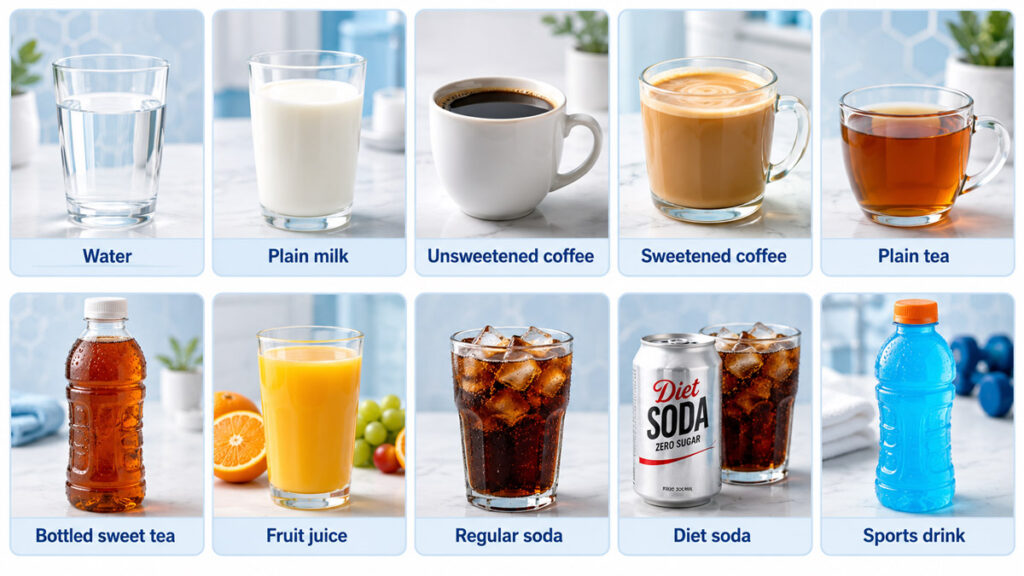
Drinks affect teeth in different ways. Some contain sugar, some contain acids, and some do both. Staining is another issue, but a drink that stains teeth is not always the same as one that causes decay or erosion.
Water remains the best everyday choice because it does not add sugar or acid. Plain milk also tends to be lower risk than sweetened or acidic drinks. Coffee and tea deserve a closer look because the effect changes when sugar, syrups, creamers, or flavoring are added.
How Common Drinks May Affect Teeth
These categories give a general picture, but formulas differ between brands and flavors. A bottled tea may contain much more sugar than plain brewed tea. A flavored sparkling water may contain added acids, while another may not.
The way a drink is consumed also changes the risk. Finishing it with a meal usually creates less repeated exposure than sipping it throughout the day. Drinking water afterward may also help clear sugar and acid from the mouth.
Soda and Diet Soda
Regular soda can affect teeth in two ways. Its sugar feeds plaque bacteria, which produce acids that raise the risk of cavities. The drink’s own acids can also soften enamel and contribute to erosion.
Diet soda removes much of the sugar, but it does not remove the acid. Many sugar-free sodas still contain acids that can wear down enamel when the teeth face them often.
The difference is simple:
| Drink Type | Main Dental Concern |
|---|---|
| Regular soda | Sugar-related cavities and acid-related erosion |
| Diet soda | Acid-related erosion |
| Caffeine-free soda | May still contain sugar and acid |
| Remineralization | May still contain sugar and acid |
| Clear soda | May still contain acids that affect enamel |
Color does not tell you how safe a soda is for teeth. Clear soda can still be acidic, and caffeine-free soda can still contain sugar.
How a person drinks soda also matters. A can finished with a meal creates a shorter exposure than one sipped over several hours. Holding soda in the mouth or swishing it around increases contact with enamel.
Simple ways to reduce exposure include:
- Keep soda with meals instead of sipping it between meals
- Finish it in one sitting rather than returning to it all day
- Drink water afterward
- Avoid swishing it around the mouth
- Use a straw when practical
- Wait before brushing after drinking it
Switching from regular soda to diet soda may reduce sugar exposure, but water remains the better everyday choice for protecting enamel.
Sports Drinks and Energy Drinks
Sports drinks and energy drinks are often grouped together, but they serve different purposes. Both can expose teeth to sugar and acid, and both may cause more damage when sipped slowly or used often.
Sports Drinks
Sports drinks are designed to replace fluids, electrolytes, and carbohydrates during extended or intense physical activity. They may be useful in some situations, but they are not needed for routine hydration.
Many sports drinks contain sugar and acids. During exercise, the mouth may also produce less saliva, especially when a person is dehydrated or breathing heavily through the mouth. Less saliva means the teeth have less natural protection while the drink is being consumed.
Sports drinks may create more risk when they are:
- Used for short or light workouts
- Sipped for long periods
- Swished around the mouth
- Used instead of water throughout the day
- Consumed when the mouth already feels dry
For most everyday activities, water is the lower-risk choice.
Energy Drinks
Energy drinks often contain caffeine, sugar, acids, or a combination of all three. Sugar-free versions may lower the cavity risk, but they can still be acidic enough to affect enamel.
These drinks are especially common among teens and young adults. The risk increases when someone uses them often, drinks several in one day, or sips them over a long period.
Caffeine may also contribute to a dry mouth in some people. When saliva is low, the mouth has less ability to neutralize acids and wash away sugar.
Sports Drinks vs. Energy Drinks
Simple ways to reduce exposure include choosing water for routine hydration, limiting how often these drinks are used, finishing them in one sitting, and drinking water afterward.
A sports or energy drink does not damage teeth after one use. The larger concern is a repeated pattern that keeps sugar or acid in contact with enamel throughout the day.
Coffee, Tea, and Sweetened Café Drinks
Coffee and tea do not affect teeth in the same way as soda or energy drinks. Plain versions usually contain little or no sugar, but they can still stain enamel. The larger dental risk often comes from what gets added and how long the drink is sipped.
Plain coffee mainly causes staining. A flavored latte, bottled coffee, or sweet tea can add sugar, syrups, creamers, and repeated exposure over several hours.
Plain Coffee and Tea
Unsweetened coffee and tea are less likely to feed cavity-causing bacteria than sweetened drinks. They can still darken teeth over time, especially when consumed often.
Staining is a cosmetic change on or within the tooth surface and does not damage enamel. Regular dental cleanings may remove some surface stains, while teeth whitening may be needed for deeper discoloration.
Added Sugar Changes the Risk
Sugar turns coffee or tea into a more cavity-friendly drink for plaque bacteria. The risk rises when someone adds:
- Sugar
- Honey
- Flavored syrups
- Sweetened creamers
- Whipped toppings
- Caramel or chocolate drizzle
A drink with several pumps of syrup may contain much more sugar than a plain cup of coffee.
Bottled Tea and Café Drinks
Bottled teas, frozen coffee drinks, and flavored café beverages can contain large amounts of sugar. Some also contain acids or fruit flavoring that may affect enamel.
The name of the drink can be misleading. A tea may sound light or healthy but still contain sugar. A coffee drink may function more like a dessert when it includes syrup, sweetened milk, whipped cream, and toppings.
Why Slow Sipping Matters
Many people carry coffee or tea through the morning and take small sips for hours. This creates repeated exposure when the drink contains sugar.
A shorter drinking period gives saliva more time to recover. Water between sips or after finishing the drink can also help clear sugar and reduce staining compounds.
Coffee and Tea Habits at a Glance
| Habit | Main Concern | Lower-Risk Option |
|---|---|---|
| Plain coffee | Staining | Drink water afterward |
| Plain tea | Staining varies by type | Choose unsweetened tea |
| Coffee with sugar | Cavities and staining | Reduce added sugar |
| Flavored latte | High sugar and repeated sipping | Choose fewer syrup pumps and finish it sooner |
| Bottled sweet tea | Sugar and possible acid exposure | Check the label and limit between-meal use |
| Coffee sipped all morning | Repeated sugar exposure if sweetened | Finish it within a shorter period |
| Tea with lemon and sugar | Sugar, acid, and staining | Use less sugar and avoid prolonged sipping |
Coffee and tea can fit into a tooth-friendly routine when you limit added sugar, finish sweetened drinks within a shorter period, and drink water afterward.
Fruit Juice, Smoothies, and Whole Fruit
Whole fruit, fruit juice, and smoothies can all contain natural sugar, but they do not affect teeth in the same way.
Whole fruit usually takes longer to chew and contains fiber. Chewing also encourages saliva, which helps clear food and neutralize acids. Juice removes much of the fiber and delivers sugar and acid in liquid form, allowing it to spread quickly across the teeth.
Whole Fruit
Whole fruit can be part of a healthy diet and does not need to be treated like candy. The larger concerns are frequent exposure, very acidic fruit, and dried fruit that sticks to teeth.
Examples include:
- Apples
- Berries
- Oranges
- Grapes
- Melons
- Mangoes
Citrus fruits are acidic, so people with sensitive teeth may notice discomfort. Eating them with a meal and drinking water afterward can reduce how long the acid stays in the mouth.
Fruit Juice
Fruit juice can contain free sugars and acids even when no sugar is added. The label “100% juice” does not mean it is harmless to teeth.
Risk rises when juice is:
- Sipped throughout the day
- Placed in a bottle or bedtime cup
- Used instead of water between meals
- Held in the mouth before swallowing
- Given in large portions
Small portions with meals create less repeated exposure than constant sipping.
Smoothies
Smoothies vary widely. Some contain only whole fruit and plain yogurt, while others include juice, honey, flavored yogurt, syrups, or added sugar.
Blending fruit breaks down its structure and creates a drink that can coat the teeth. A smoothie may also be acidic, especially when it includes citrus, berries, or juice.
Whole fruit is usually the better everyday choice, while juice and smoothies are best treated as drinks that can expose teeth to both sugar and acid.
Foods That May Support Teeth and Gums
No single food can prevent cavities or treat gum disease. Still, some foods fit a lower-risk eating pattern because they contain little added sugar, support saliva flow, or provide minerals used by teeth and bones.
Complimentary New Patient Offer
Get Seen by a Dentist Today
Your initial exam and X-rays are complimentary. Call Gold Coast Dental or choose your nearest location and book an appointment online.
Water
Water is the best everyday drink for oral health. It helps rinse food from the mouth, supports saliva, and does not expose teeth to sugar.
Fluoridated tap water can also help strengthen enamel and reduce the risk of cavities.
Flavored water deserves a closer look. Some varieties contain acids, sweeteners, or fruit flavoring that may affect enamel even when the label says zero sugar.
Milk, Cheese, and Plain Yogurt
Dairy foods provide calcium and phosphate, which support teeth and bones. Cheese may also increase saliva and help reduce the acidic feeling in the mouth after eating.
Plain milk and plain yogurt are usually lower in added sugar than flavored versions. Sweetened yogurt, chocolate milk, and flavored dairy drinks may contain enough sugar to change their dental effect.
Whole Fruits and Vegetables
Whole fruits and vegetables provide fiber and require chewing. That chewing can increase saliva and help clear food from the mouth.
Examples include:
- Apples
- Carrots
- Celery
- Leafy greens
- Cucumbers
- Bell peppers
- Berries
Note: These foods do not scrub teeth clean, and they don’t replace brushing or flossing.
Nuts, Seeds, and Protein-Rich Foods
Nuts, seeds, eggs, fish, poultry, beans, and other protein-rich foods are often lower in fermentable sugar.
Watch for sweet coatings, sticky sauces, honey, or sugary marinades. A food may start as a lower-sugar choice but change once sweeteners are added.
Foods That Support a Lower-Risk Eating Pattern
Some foods and drinks are easier on teeth because they contain less sugar, support saliva, or provide minerals used by teeth and bones. They still do not replace brushing, flossing, or preventative dental care.
- Water: Tap water and bottled water help rinse the mouth and support saliva. Check flavored waters for added acids.
- Dairy: Milk, cheese, and plain yogurt provide calcium and phosphate. Flavored dairy products may contain added sugar.
- Whole produce: Apples, carrots, and leafy greens support chewing and saliva flow. Acidic fruits may bother sensitive teeth.
- Nuts and seeds: Almonds, walnuts, and sunflower seeds are usually low in fermentable sugar. Sweet coatings and sticky flavoring can raise sugar exposure.
- Protein foods: Eggs, fish, poultry, and beans are usually lower in sugar. Sauces and marinades may add sugar or acid.
Build meals and snacks around water, whole foods, and lower-sugar choices. Limit how often sweet or acidic items reach your teeth.
Does Diet Directly Cause Gum Disease?
Diet can affect oral health, but gum disease does not come from one food or drink. Plaque bacteria along the gumline drive the disease, while smoking, diabetes, genetics, oral hygiene, and other health factors can change a person’s risk.
Frequent sugar exposure can contribute to plaque buildup and cavities near the gumline. A poor diet may also affect healing and the body’s response to infection. Still, changing food habits alone will not treat active gum disease.
Signs of Gum Problems
Contact a dentist if you notice:
- Bleeding during brushing or flossing
- Red, swollen, or tender gums
- Gums pulling away from the teeth
- Ongoing bad breath
- Loose teeth
- Pain when chewing
A balanced diet can support oral health, but gum disease needs proper diagnosis and periodontal treatment. Food choices work best as part of a larger plan that includes daily cleaning, regular dental care, and control of health conditions such as diabetes.
Why Timing Matters
What you eat matters, but when and how often you eat it also affects your teeth.
After sugar or acid reaches the mouth, saliva begins working to neutralize acids and return minerals to enamel. The mouth needs time between exposures for that recovery to happen.
A sugary snack once in the afternoon creates one exposure. Small snacks every 30 minutes keep restarting the process. The same rule applies to drinks. A sweetened coffee finished with breakfast affects teeth differently than one sipped until lunch.
Habits That Reduce Repeated Exposure
- Have sugary or acidic foods with meals when possible.
- Avoid sipping sweetened drinks for several hours.
- Drink water after soda, juice, coffee, tea, or sports drinks.
- Give the mouth time between snacks.
- Avoid bedtime drinks other than water.
- Do not hold or swish acidic drinks around the mouth.
- Wait before brushing after a strongly acidic food or drink.
Meals may create a lower-risk setting because saliva flow increases while eating. Other foods in the meal may also reduce how long sugar or acid stays on the teeth.
Having sugary or acidic foods with meals can shorten the time they stay in contact with your teeth and give saliva more time to recover between exposures. A pattern with clearer meals, fewer repeated snacks, and water between eating occasions gives saliva more time to protect the teeth.
Simple Ways to Reduce Enamel Damage and Cavities
A few good habits can reduce how long sugar and acid stay in contact with enamel.
Drink Water Often
Water helps rinse food and drinks from the mouth. It also supports saliva, which helps neutralize acids and move minerals back into early weakened enamel.
Drink water after:
- Soda
- Juice
- Coffee or tea
- Sports drinks
- Energy drinks
- Sweet snacks
- Acidic foods
Water does not cancel out sugar or acid, but it can reduce how long they remain in the mouth.
Keep Sugary and Acidic Items With Meals
Saliva flow usually increases during meals. This can help the mouth clear sugar and acids more quickly.
When possible, have soda, juice, desserts, or other sweet foods with a meal instead of between meals.
Avoid Prolonged Sipping
A sweetened or acidic drink can cause more harm when it is sipped over several hours.
Try to finish the drink within a shorter period rather than carrying it through the day. The same advice applies to sweetened coffee, bottled tea, sports drinks, and juice.
Do Not Swish Acidic Drinks
Holding soda, juice, or an energy drink in the mouth increases contact with enamel. Swallow the drink without moving it around the teeth.
A straw may reduce contact with some tooth surfaces, but it does not remove the risk.
Choose Sugar-Free Gum After Meals
Sugar-free gum can increase saliva flow. More saliva may help clear food, neutralize acids, and reduce a dry feeling in the mouth.
Gum does not replace brushing, flossing, or dental care.
Brush With Fluoride Toothpaste
Brush twice a day for two minutes with fluoride toothpaste. Fluoride helps strengthen enamel and supports the repair of early mineral loss.
Use gentle pressure and a soft-bristled toothbrush. Hard scrubbing can wear down enamel and irritate gums.
Clean Between Your Teeth
Food and plaque often remain between teeth where a toothbrush cannot reach. Floss or use another interdental cleaner once a day.
This is especially important after sticky foods, dried fruit, crackers, and other snacks that can remain between teeth.
Wait After Strong Acid Exposure
Acid can temporarily soften enamel. Brushing right away may increase wear.
After soda, citrus, juice, sour candy, or another strongly acidic item:
- Rinse with water.
- Wait about 30 minutes.
- Brush gently with fluoride toothpaste.
Small changes work best when they become routine. Drink more water, cut down on repeated sipping, use fluoride toothpaste, and leave time between meals and snacks to lower the risk of cavities and enamel erosion.
Healthy Habits for Children and Teens

Children and teens often face sugar and acid in places adults may overlook. Juice, flavored milk, sticky snacks, sports drinks, energy drinks, and sweetened coffee can all add up during the day.
For Babies and Young Children
Avoid putting a child to bed with a bottle or cup of juice, milk, or another sweet drink. Sugar can stay on the teeth for hours while saliva flow drops during sleep.
Plain water is a better bedtime drink.
Other helpful habits include:
- Offer water between meals.
- Keep juice portions small.
- Avoid letting a child carry juice or milk all day.
- Limit sticky snacks that remain on teeth.
- Brush with fluoride toothpaste as recommended for the child’s age.
- Help with brushing until the child can clean well alone.
For School-Age Children
School snacks can create repeated sugar exposure, especially when children graze through the day.
Lower-risk choices may include:
- Cheese
- Plain yogurt
- Nuts when school rules allow them
- Whole fruit
- Vegetables
- Eggs
- Water
Crackers, fruit snacks, cookies, dried fruit, and sweetened drinks can stay on teeth or feed plaque bacteria. They do not need to disappear completely, but they are better kept to one snack period rather than eaten little by little.
For Teens
Teens may drink sports drinks, energy drinks, soda, sweet tea, or flavored coffee more often as they gain independence.
Sports drinks may help during prolonged, intense activity, but water is usually enough for routine practice and daily hydration. Energy drinks can expose teeth to sugar and acid, and caffeine may worsen dry mouth in some people.
Helpful habits include:
- Carry water during the day.
- Avoid sipping sweet drinks through several classes.
- Drink water after sports or energy drinks.
- Keep sweetened coffee to a shorter drinking period.
- Avoid sleeping after a sugary drink without brushing.
- Brush twice a day with fluoride toothpaste.
- Clean between teeth once a day.
Family Habits Matter
Children often follow the habits they see at home. A family that keeps water nearby, limits all-day sipping, and treats sweets as part of a meal creates a lower-risk routine without focusing on fear or strict rules.
Families eat many different foods and follow different traditions. The main dental concerns remain the same across diets: sugar, acid, stickiness, and repeated exposure.
When Food Sensitivity or Tooth Pain Needs a Dentist
Some foods and drinks can cause brief sensitivity, especially when enamel is worn or gums have pulled away from the teeth. Pain that keeps returning may point to decay, erosion, a crack, gum disease, or another dental problem.
Contact a dentist if you notice:
- Pain when eating sweet foods
- Sensitivity to hot or cold that lingers
- Pain when chewing or biting
- White, brown, or dark spots on a tooth
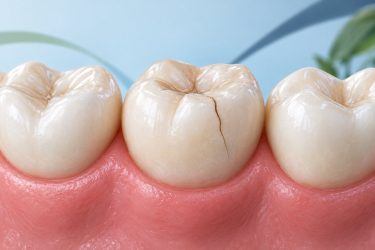
- Chipped, cracked, or worn tooth edges
- Teeth that look thinner or more yellow
- Bleeding, swollen, or tender gums
- Ongoing bad breath
- Mouth sores that do not heal
- Pain that becomes more frequent or severe
What Different Symptoms May Mean
| Symptom | Possible Concern |
|---|---|
| Sharp pain with sweets | A cavity or exposed dentin |
| Cold sensitivity | Enamel wear, gum recession, or decay |
| Pain when biting | A crack, damaged filling, or infection |
| Smooth or rounded tooth edges | Enamel erosion |
| White spots | Early mineral loss |
| Dark spots or holes | Tooth decay |
| Bleeding gums | Gum inflammation or gum disease |
| Ongoing bad breath | Plaque buildup, decay, gum disease, or dry mouth |
A dentist can examine the teeth and gums to identify the cause. Early decay or enamel wear may be easier to manage before pain becomes stronger or more treatment is needed.
Food changes can reduce future exposure, but they cannot repair a cavity, replace lost enamel, or treat active gum disease.
Protecting Your Teeth Through Everyday Choices
Food and drinks affect teeth through sugar, acid, timing, and repeated exposure. Simple habits such as drinking more water, keeping sweet or acidic items with meals, and avoiding all-day sipping can help reduce enamel wear and cavity risk.
Brush twice a day with fluoride toothpaste, clean between your teeth, and pay attention to changes such as sensitivity, pain, dark spots, worn edges, or bleeding gums. These signs may point to decay, erosion, or gum problems that need professional care.
At Gold Coast Dental, we can check what is causing the problem and recommend the right next steps.
📞 Schedule an appointment today to discuss ongoing symptoms or concerns about how your diet may be affecting your teeth and gums.
Complimentary New Patient Offer
Get Seen by a Dentist Today
Your initial exam and X-rays are complimentary. Call Gold Coast Dental or choose your nearest location and schedule an appointment online.