

Trusted by Thousands, Across 20 Locations
Quick Dental FAQs
This FAQ page answers common questions about dental care, appointments, insurance, emergencies, and what to expect before and after treatment. Each answer is designed to be clear, practical, and easy to scan, with links to relevant services and nearby offices when helpful.
If you don’t see your question here, our team is available to help guide you to the right next step.

Everything you need in one place—answers, services, and steps to make your dental care easy.

Emergency Help
Use benefits, compare payment options.
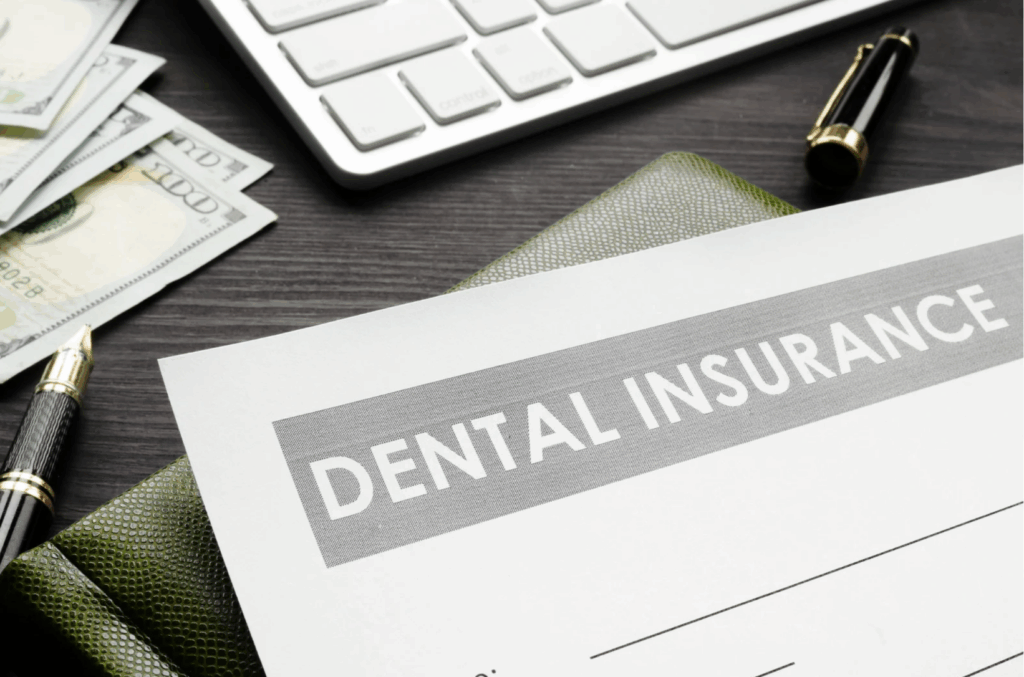
Insurance & Financing
Use benefits, compare payment options.
All Services
Preventive, cosmetic, restorative & more.
Find a Location
La Habra, Brea, Fullerton, RSM, Dallas & more.
Have questions about dental checkups, crowns and bridges, kids dentistry, braces, veneers, dental implants, or other topics? We’re here to help! Feel free to reach out to us anytime. Give us a call today and connect with us directly.
Free dental consultant :
Routine exams, cleanings, and low-dose digital X-rays.
How often should I schedule a dental checkup?
Most patients come in every six months. If you have gum concerns, frequent cavities, or ongoing treatment, we may suggest visits sooner based on what your mouth needs.
Are dental X-rays safe for adults and children?
Yes. We use digital X-rays with very low radiation. They allow us to spot problems early while keeping exposure minimal for both kids and adults.
How long does a dental checkup take?
A standard visit usually lasts 30 to 60 minutes. If we find something that needs extra attention, we’ll explain the next steps without rushing you.
What’s included in a routine dental checkup?
Your visit includes a full exam, professional cleaning, gum evaluation, and X-rays if needed. We also review any concerns you want to talk through.
What happens if you find a problem during my visit?
We’ll walk you through what we see, explain your options, and help you decide what makes sense for your comfort, health, and budget.
Repair weakened teeth or replace a missing tooth.
How long do dental crowns and bridges last?
Most crowns and bridges last 10 to 15 years, and many last longer with good daily care and regular checkups. Grinding, biting hard objects, and missed cleanings can shorten their lifespan.
How do I know if I need a crown or a bridge?
You may need a crown if a tooth is cracked, weakened, or treated with a root canal. A bridge is used when one or more teeth are missing. We confirm this after an exam and X-rays.
Will a crown or bridge feel like a real tooth?
Yes. Once placed, most people say it feels natural when chewing and speaking. It may feel slightly different at first, but that usually fades within a few days.
Does getting a crown or bridge hurt?
The procedure is done with local numbing, so pain is not expected during treatment. Some soreness afterward is normal and usually settles within a short time.
How many visits are needed for a crown or bridge?
Most cases take two visits. The first visit prepares the tooth and takes impressions. The second visit places the final crown or bridge and checks the fit.
Are crowns and bridges covered by dental insurance?
Many plans cover crowns and bridges when they are needed for function, not appearance. Coverage depends on your plan limits and waiting periods. Our team can help you review this before treatment.
Gentle visits, growth tracking, fluoride, and sealants.
When should my child first see a dentist?
Children should see a dentist by their first birthday or when the first tooth appears. Early visits help your child get comfortable and allow us to spot concerns before they grow.
What happens during a child’s first dental visit?
The first visit is simple and relaxed. We check the teeth and gums, keep things gentle, and help your child get used to the space. Parents stay involved the whole time.
How often should children have dental checkups?
Most children do well with visits every six months. Some may need earlier checkups if cavities, crowding, or growth changes show up.
What if my child feels nervous or scared?
That’s very common. We move at your child’s pace, explain things in a friendly way, and focus on comfort. Small steps help build trust over time.
Are dental X-rays safe for children?
Yes. We use low-radiation digital X-rays only when needed. They help us see areas we can’t check by sight alone, while keeping exposure minimal.
Do baby teeth really matter if they fall out?
Yes. Baby teeth guide speech, chewing, and spacing for adult teeth. Keeping them healthy helps avoid pain, infection, and alignment issues later.
Straight smiles with braces or Invisalign®-style aligners.
Does orthodontic treatment hurt?
You may feel pressure or mild soreness at the start or after adjustments. Most people say it fades within a few days and is easy to manage with simple comfort steps.
How long does orthodontic treatment usually take?
Treatment time depends on your bite and alignment needs. Some plans last under a year, while others take longer. We’ll walk you through a clear timeline before starting.
How often will I need orthodontic visits?
Most patients come in every 4 to 8 weeks. These visits help us check progress and make small changes to keep treatment on track.
Can I eat normally with braces or clear aligners?
With braces, some hard or sticky foods should be avoided. Clear aligners can be removed during meals, so eating feels more familiar once you’re used to the routine.
How do I know if braces or clear aligners are right for me?
That depends on your alignment goals, daily habits, and treatment needs. We review both options with you and explain what fits your situation best.
Refine color and shape with custom porcelain shells.
Are veneers permanent?
Veneers are a long-term option, but they are not permanent. Porcelain veneers often last 10 to 15 years, while composite ones usually last fewer years with regular care.
How long do veneers last?
Lifespan depends on the material, bite habits, and daily care. Many patients enjoy their veneers for over a decade with brushing, flossing, and routine dental visits.
Do veneers damage natural teeth?
A small amount of enamel is removed to place veneers. This does not harm healthy teeth, but it does mean veneers are a long-term commitment.
Do veneers need special care?
No special routine is needed. Brush, floss, and keep up with dental visits. Avoid biting hard items like ice or pens to help prevent damage.
Can veneers be whitened?
No. Veneers keep their color once placed. If surrounding teeth change shade, whitening can be done before veneers are made to keep everything consistent.
Will veneers look natural?
Yes. Veneers are shaped and shaded to match your facial features and existing teeth, so they blend in rather than stand out.
What dental concerns can veneers fix?
Veneers can help with discoloration, worn edges, small gaps, uneven shapes, and mild alignment issues when orthodontics is not needed.
Fixed replacements that look and feel natural.
Are dental implants right for everyone?
Dental implants work well for many adults, but not everyone is a match. Healthy gums, enough jawbone, and stable overall health are key factors. We check all of this during your consultation.
Is the dental implant procedure painful?
Most patients feel little discomfort during the procedure. Local numbing and sedation help keep you comfortable, and soreness afterward is usually mild and short-lived.
How long do dental implants last?
Implants can last many years and often much longer with good oral care. Regular cleanings and daily brushing and flossing play a big role in long-term results.
How long does recovery take after dental implants?
Initial healing usually takes a few days. Full healing, where the implant bonds with the bone, can take a few months. We guide you through each stage so you know what to expect.
Can I eat normally with dental implants?
Yes. Once healing is complete, implants feel stable and secure. You can enjoy most foods without worrying about movement or discomfort.
What happens if a dental implant fails?
Implant failure is uncommon. If it happens, we identify the cause and talk through next steps, which may include replacing the implant after healing.
Are dental implants covered by insurance?
Some insurance plans help with parts of the treatment, such as the crown or related procedures. Coverage varies, so our team helps review your plan and discuss payment options.
In-office and take-home options with dentist guidance.
Is teeth whitening safe?
Yes. Professional teeth whitening uses dentist‑approved products and supervision, so it’s gentle on soft tissues and enamel. We always check your oral health first to make sure whitening is right for you.
How long do whitening results last?
Results vary by habits like how often you drink coffee, tea, or red wine. Most patients keep a brighter smile for months with good care, and occasional touch‑ups can help maintain results over time.
Will my teeth feel sensitive after whitening?
Some people feel temporary sensitivity right after treatment. This is common and usually eases within a day or two. Using a toothpaste for sensitive teeth before and after can help.
Can whitening remove all stains on my teeth?
Whitening works well on surface stains from drinks, food, and tobacco. It may not work as fully on internal stains caused by medication or past trauma. We’ll check your situation before treatment.
What’s the difference between professional whitening and store products?
Professional whitening is stronger and faster than store options because the dentist adjusts the strength and duration to suit your teeth. Over‑the‑counter kits can help some stains but usually take longer and aren’t tailored to you.
Is whitening right for everyone?
Most people are good candidates, but it’s not recommended if you have untreated decay, gum irritation, or very thin enamel. We assess your dental health and talk with you before beginning.
How soon can I eat or drink after whitening?
After an in‑office session, it’s best to wait at least an hour before eating or drinking. Avoid dark or staining foods and drinks for 24–48 hours to help lock in your brighter shade.
Fast help for toothaches, swelling, and dental injuries.
What counts as a dental emergency?
A dental emergency is pain that won’t stop, bleeding that doesn’t slow, swelling, a knocked‑out tooth, or a lost crown or filling. If you’re unsure, call us and we can help assess the urgency.
When should I call the dentist right away?
Call right away if you have sudden, severe pain, constant bleeding, a tooth that’s loose or out, or a broken jaw. Quick action can make a real difference.
What should I do if my tooth gets knocked out?
Try to gently place the tooth back in its socket without touching the root. If that won’t work, keep it in milk or saliva and get dental care immediately. Time matters for saving the tooth.
What should I do if a crown or filling falls out?
Keep the area clean and avoid chewing on that side. You can use sugar‑free gum or a temporary dental cement from a pharmacy until we can see you.
Can I take over‑the‑counter pain relievers for a toothache?
Yes, medicine like ibuprofen or acetaminophen can ease pain temporarily. But this is only short‑term help — you still need to see a dentist to treat what’s causing the pain.
Is emergency dental care covered by insurance?
Many plans cover at least part of emergency treatment. Coverage varies by plan, so our team can review your benefits and help explain what costs you may be responsible for.
How can I reduce the risk of dental emergencies?
Good daily care and regular dental checkups help catch problems before they get serious. Wearing a mouth guard during sports and avoiding very hard foods also reduces injury risk.
Service areas & locations
This is a general FAQ page. For office-specific info, use the links below.
People often search by city-such as La Habra, Brea, Fullerton, Rancho Santa Margarita, or Dallas. Find addresses, hours, and parking on the Locations page.
Thousands of patients trust us for our gentle approach, advanced treatments, and commitment to making every visit comfortable and stress-free.

Experienced teams for family, cosmetic, and implant care.

3D imaging for precise implant planning at select offices (e.g., La Habra).

Clear pricing with written estimates before treatment.

Flexible scheduling—many offices offer evenings and select Saturdays.
Patients often report better comfort and chewing after completing implant or bite treatment.
Find Your Closest Dentist & Office Hours
Our dental offices are typically open 8 AM – 7 PM, including weekends.
Hours may vary by location. Check the location page or call us to confirm availability.
Store Direction
GET DIRECTIONS
Find Nearby Service Providers
Use my location to find the closest Service Provider near me
View Description
Language
اگر شما به زبان فارسی صحبت میکنید و به دنبال دندانپزشک فارسی زبان هستید، کلینیک دندانپزشکی Gold Coast Dental آماده ارائه خدماتی مانند دندانپزشک اورژانس، ایمپلنت، ارتودنسی و زیبایی دندان با انواع بیمه به شماست.
Si usted habla español y está buscando un dentista que hable su idioma, la clínica dental Gold Coast Dental ofrece servicios como emergencias dentales, implantes, ortodoncia y estética dental con diferentes seguros.
한국어를 사용하시고 한국어 가능한 치과를 찾고 계시다면, 골드코스트 덴탈 치과 클리닉은 응급치료, 임플란트, 교정 및 미용 치과 서비스를 다양한 보험과 함께 제공합니다.
如果您说中文并正在寻找讲中文的牙医,Gold Coast Dental 牙科诊所提供紧急牙科、种植牙、牙齿矫正和美容牙科服务,并接受各种保险。
日本語を話される方で日本語対応の歯科医をお探しであれば、Gold Coast Dental 歯科クリニックでは救急歯科、インプラント、矯正歯科、美容歯科など、各種保険対応のサービスを提供しています。
Please call (562) 242‑1411 or find your nearest dentist here.