Summary
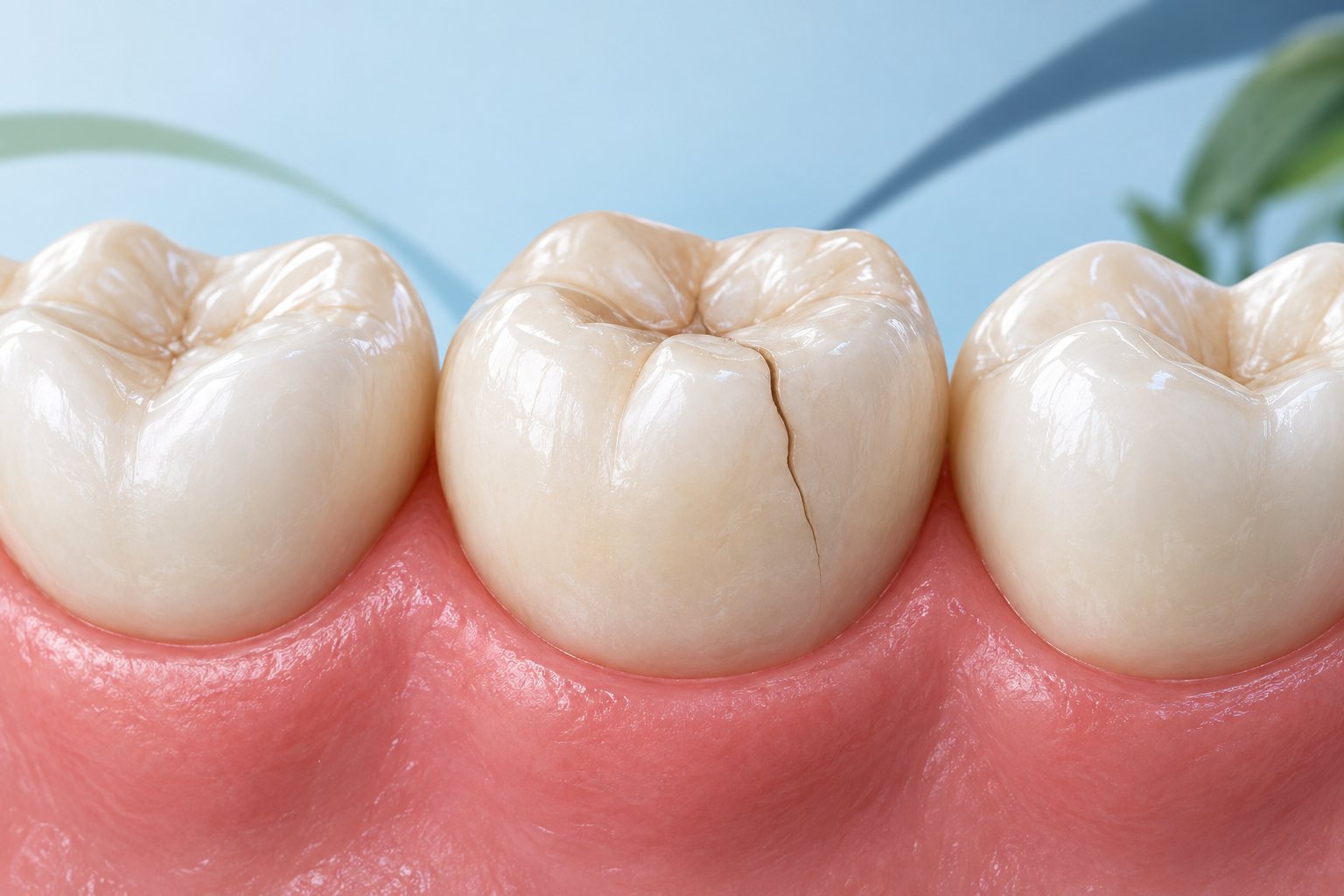
A cracked tooth may hurt when you bite or react to hot and cold. Some cracks do not hurt. A dentist can check the damage and discuss repair options. Avoid chewing on the tooth while waiting for care.
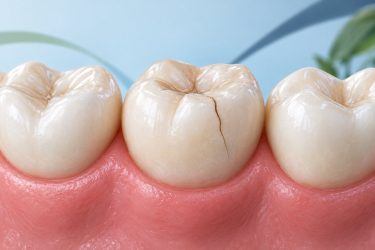
A cracked tooth can be surprisingly hard to recognize. You may feel a sharp pain when you bite into something firm, notice sensitivity to hot or cold, or have discomfort that comes and goes without an obvious cause. Sometimes the tooth looks completely normal even though a crack has started to affect the deeper layers.
At Gold Coast Dental, we often see patients who know something feels wrong but cannot tell which tooth is causing the problem. During your visit, we can check your bite, examine the tooth and surrounding gums, review any existing fillings or crowns, and use dental imaging when needed to look for signs of damage.
How we treat a cracked tooth depends on where the crack is located and how far it extends. Some teeth need a small repair. Deeper damage may need a crown, root canal treatment, or extraction. Finding the problem earlier can give us more options for protecting the tooth and keeping you comfortable.
How soon should you get care?
Call promptly
Recurring bite pain, new sensitivity, or a visible crack needs a dental exam—even if symptoms come and go.
Ask for same-day dental care
Severe or worsening pain, swelling, a large fracture, or an injury needs faster assessment. Call to check availability.
Get emergency medical care now
Trouble breathing or swallowing, uncontrolled bleeding, major facial trauma, or rapidly spreading facial or neck swelling needs immediate medical attention.
This guide helps you choose the next step; a dental exam determines the cause and treatment.
What Does a Cracked Tooth Feel Like?
A cracked tooth can cause several different types of discomfort, and the pain may not stay constant. Some patients feel a sharp jolt when they bite down. Others notice sensitivity to temperature or tenderness around one tooth.
| Symptom | What You May Notice |
|---|---|
| Pain when biting | A sharp or sudden pain when you chew on one side of your mouth |
| Pain when releasing your bite | A quick jolt as pressure comes off the tooth |
| Hot or cold sensitivity | Discomfort when the tooth reacts to temperature changes |
| Pain that comes and goes | The tooth may feel normal for hours or days, then hurt again |
| Tenderness when chewing | One tooth may feel sore or uncomfortable under pressure |
| Spontaneous pain | A deeper crack may irritate the pulp enough to cause pain even when you are not chewing |
Since cracked-tooth pain can come and go, it is easy to put off getting it checked. If one tooth keeps hurting when you chew or reacts strongly to hot or cold, we can examine the area and determine if a crack, decay, a damaged restoration, or another problem is causing it.
Why Does My Tooth Hurt When I Bite?
Pain when you bite down can be one of the clearest signs that a tooth needs attention. With a cracked tooth, chewing pressure can cause the damaged parts of the tooth to move slightly. That movement can irritate the pulp and tissues around the root, which may create a sharp pain that appears only when you chew.
Some patients feel the pain as they bite down. Others feel it when they release pressure from the tooth. Since the discomfort can disappear quickly, it is easy to assume the problem is minor even when the crack has reached deeper layers.
A cracked tooth is one possible cause of pain when biting. Decay, a loose or damaged dental filling, inflammation around the root, infection, or a bite problem can cause similar symptoms. When you come to Gold Coast Dental, we check the tooth, surrounding gums, existing dental work, and your bite so we can identify the source of the pain before recommending treatment.
If the same tooth keeps hurting when you chew, especially on hard or crunchy foods, we recommend having us take a look. Finding the cause early can give us more ways to repair the tooth and protect it from further damage.
Can You Have a Cracked Tooth Without Pain?
Yes. Some cracks stay shallow and cause no pain, especially when they affect only the enamel. A tooth can also develop a deeper crack before you feel a clear symptom, which is one reason routine dental exams can catch problems you may not notice at home.
Pain may begin only after the crack starts moving under chewing pressure, reaches the pulp, or allows bacteria into deeper parts of the tooth. A visible line on a tooth does not tell us how deep it goes, so we look at the tooth itself, your symptoms, your bite, and the surrounding tissues before deciding if treatment is needed.
Is a Cracked Tooth a Dental Emergency?
A cracked tooth does not always require emergency treatment, but we do want to know about symptoms that are getting worse or affecting the deeper parts of the tooth. Gold Coast Dental offers same-day emergency dentistry for broken and cracked teeth, severe pain, swelling, infection, and dental trauma.
Call Us Promptly
If you have recurring pain when you bite, new temperature sensitivity, a visible crack, or a piece of tooth that has broken away, call us so we can examine the area before the damage progresses.
Call Us for Same-Day Care
Severe pain, swelling, a large fracture, trauma to the tooth, or exposed inner tooth structure can need faster attention. Since these symptoms can point to deeper damage or infection, we may want to see you the same day.
Seek Emergency Medical Care
Major facial trauma, uncontrolled bleeding, trouble breathing, or trouble swallowing requires immediate medical attention.
If you are unsure how serious the crack is, call Gold Coast Dental at (562) 242-1411. We can help you decide how quickly you need to come in and what to do in the meantime.
Complimentary New Patient Offer
Get Seen by a Dentist Today
Your initial exam and X-rays are complimentary. Call Gold Coast Dental or choose your nearest location and schedule an appointment online.
What Kind of Tooth Crack Do You Have?
The location and depth of a crack can change what the tooth needs. Some stay near the surface. Deeper cracks can extend into the pulp, gumline, or root and make the tooth harder to repair.
| Type of Crack | What It Means | What We May Recommend |
|---|---|---|
| Craze lines | Tiny cracks limited to the outer enamel | Often no treatment unless appearance or sensitivity becomes a concern |
| Fractured cusp | Part of the chewing surface breaks, often around a large filling | A filling, inlay, onlay, or crown depending on how much tooth remains |
| Cracked tooth | A crack starts on the chewing surface and extends deeper into the tooth | A crown may protect the tooth, and root canal therapy may be needed if the pulp is involved |
| Split tooth | The crack has progressed far enough that the tooth separates into distinct sections | We may need to remove part or all of the tooth depending on the damage |
| Vertical root fracture | A crack begins in the root and extends upward | Treatment depends on the location and extent of the fracture; some teeth may need extraction |
A fractured cusp may still leave plenty of healthy structure to work with. GCD uses inlays and onlays when a cracked or weakened cusp needs more support than a filling can provide but the tooth does not require full coverage. A crack that extends deep into the root can be much harder to save.
What Causes Teeth to Crack?
Teeth handle strong chewing forces every day, and a crack can develop after one sudden event or after years of repeated stress. Common causes include:
- Biting hard foods or objects. Ice, hard candy, unpopped popcorn kernels, pens, and similar objects can place sudden pressure on enamel.
- Grinding or clenching. Repeated bite forces from bruxism can wear and weaken teeth over time.
- Large or older restorations. A tooth with a large filling may have less natural structure available to absorb chewing pressure.
- Dental trauma. A fall, sports injury, accident, or direct blow to the mouth can fracture a tooth.
- Normal wear over time. Years of chewing and temperature changes can make some teeth more vulnerable, especially when other risk factors are present.
- A weakened tooth. Deep decay, repeated dental work, or existing fractures can reduce the amount of strong tooth structure that remains.
If you grind or clench your teeth, our guide to teeth grinding and bruxism explains the signs to watch for and ways we can help protect your teeth from repeated pressure.
How We Diagnose a Cracked Tooth at Gold Coast Dental
When you come in, we start by asking when the pain happens, what triggers it, and how long it lasts. We may check how the tooth responds when you bite, release pressure, or come into contact with hot or cold temperatures. Those details can help us narrow down which tooth is causing the problem.
We also examine the tooth and surrounding gums for visible fractures, worn areas, damaged restorations, swelling, or changes in the gum tissue. Our restorative dentistry evaluations can include digital X-rays and bite assessment so we can judge the amount of healthy structure that remains.
Some cracks do not appear clearly on a standard X-ray. Depending on the tooth and your symptoms, we may also use an intraoral camera, pulp testing, or CBCT imaging. Our root canal therapy team uses digital X-rays or CBCT scans and pulp vitality testing when symptoms suggest that a crack has reached the nerve or tissues around the root.
Once we understand how far the crack extends and how healthy the rest of the tooth is, we can explain which repair options fit the damage and what you can expect from treatment.
How We Treat a Cracked Tooth
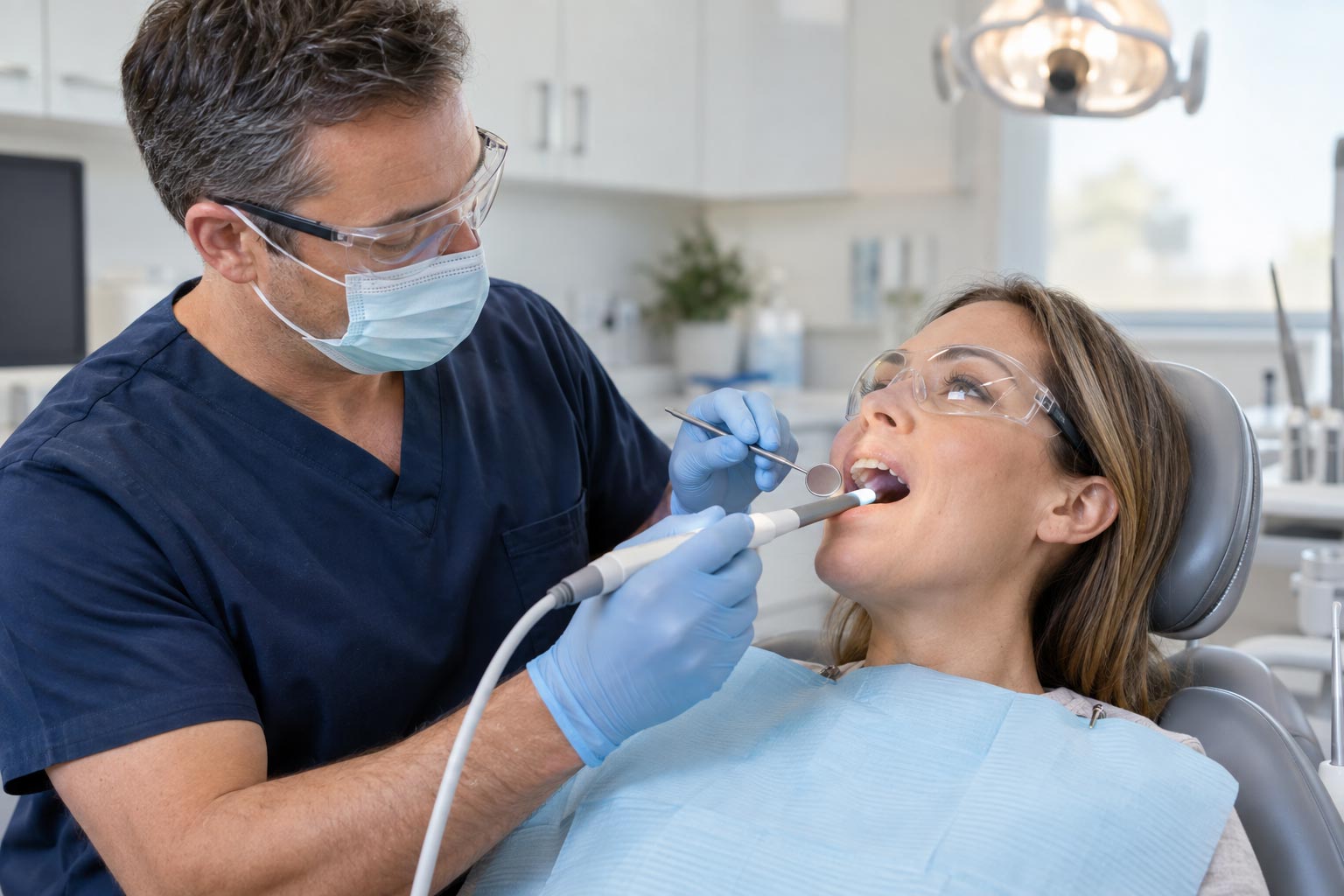
Treatment depends on how deep the crack goes, how much healthy tooth remains, and any damage to the pulp or root. At Gold Coast Dental, we match the repair to the amount of damage so we can protect the tooth without adding treatment you do not need.
Dental Bonding
For a small crack, chipped edge, or limited cosmetic damage, dental bonding may be enough to rebuild the area. We shape tooth-colored resin directly onto the tooth and polish it so the repair blends with your smile. GCD often completes bonding in a single visit.
Dental Filling
If the damage stays limited to a smaller area, a tooth-colored filling may restore the tooth and help protect the weakened area. We also check the surrounding structure to make sure it is strong enough to support the repair.
Inlay or Onlay
A fractured cusp or larger area of damage may need more support than a filling can provide. An inlay or onlay can rebuild and reinforce the damaged part of the tooth and preserve healthy structure that is still intact. GCD may offer same-day CAD/CAM placement in appropriate cases.
Dental Crown
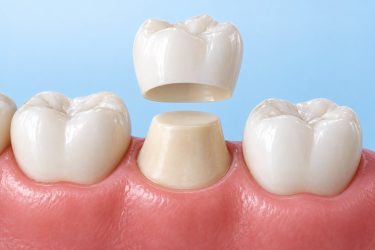
A dental crown covers and protects a weakened tooth when a crack affects a larger portion of the structure. The crown can help hold the tooth together and restore chewing strength. GCD uses crowns for cracked, worn, heavily restored, and root-canal-treated teeth.
Root Canal Therapy
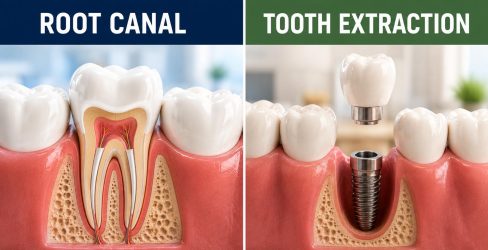
If the crack reaches the pulp, the tissue inside the tooth can become inflamed or infected. We may recommend root canal therapy to remove the damaged pulp, clean and seal the inside of the tooth, and preserve the tooth when it still has a strong enough foundation. A crown or onlay may be placed afterward to protect the treated tooth.
If you are trying to understand the tradeoffs between saving and removing a badly damaged tooth, our Root Canal vs. Tooth Extraction guide compares pain, recovery, costs, and long-term treatment needs.
Tooth Extraction
Some cracks extend too far into the root or leave too little healthy structure for us to restore the tooth reliably. In those cases, we may recommend extraction. Gold Coast Dental provides oral surgery and tooth extraction care when a tooth cannot be saved. If removal becomes necessary, we will also discuss replacement options when they make sense for your bite and long-term dental health.
How Much Does It Cost to Fix a Cracked Tooth?
The cost of repairing a cracked tooth depends on how far the crack extends and what we need to do to make the tooth strong again. A small area of damage may need a filling or bonding. A deeper crack can require a crown, root canal therapy, or extraction.
At Gold Coast Dental, we examine the tooth first so we can tell you which treatment fits the damage. Current published estimates for treatments commonly used to repair cracked teeth include:
| Treatment | Current GCD Estimate* | When It May Be Used |
|---|---|---|
| Dental bonding | Personalized estimate | Small chips, edge cracks, or limited damage, often on front teeth |
| Composite filling | $150-$300 per tooth | Smaller damaged areas with enough healthy structure remaining |
| Inlay or onlay | Personalized estimate | A fractured cusp or moderate damage that needs more support than a filling |
| Dental crown | $900-$2,500 | Larger cracks or weakened teeth that need full coverage and protection |
| Root canal – front tooth | $900-$1,600 | A crack that reaches the pulp when we can still restore the tooth |
| Root canal – premolar | $1,100-$1,900 | Pulp involvement in a premolar that remains restorable |
| Root canal – molar | $1,400-$2,200 | Pulp involvement in a molar, which often has more complex canal anatomy |
| Simple extraction | $150-$350 | A tooth that cannot be saved and can be removed without surgery |
| Surgical extraction | $250-$650+ | A more involved removal based on the tooth location, fracture, or other factors |
*Pricing shown is for general reference only and is not guaranteed. Actual treatment costs may vary based on your individual needs, insurance coverage, materials, tooth location, treatment complexity, and other factors. Prices are subject to change without notice. Call Gold Coast Dental at (562) 242-1411 for current pricing and a personalized treatment estimate.
A cracked tooth can sometimes require multiple treatments. If the crack reaches the pulp, for example, we may complete a root canal and then place a crown or onlay to protect the tooth. If we have to remove the tooth, replacement can add to the overall cost. Our root canal vs. extraction cost comparison explains those treatment paths in more detail.
After we examine the tooth and review any needed X-rays, we can explain what we can save, what treatment we recommend, and what you can expect to pay before we begin.
Can We Save Your Cracked Tooth?
Many cracked teeth can still be saved, especially when we catch the damage before it extends too far into the root or destroys too much healthy structure. During your exam, we look at several factors before recommending treatment:
- How deep the crack extends: A shallow crack usually gives us more repair options than one that reaches deep below the gumline.
- How much healthy tooth remains: We need enough strong structure to support a filling, onlay, or crown.
- Pulp involvement: If the crack reaches the nerve tissue inside the tooth, root canal therapy may allow us to preserve it.
- The condition of the root: A split root or deep vertical fracture can make the tooth much harder to restore successfully.
- Bone and gum support: Healthy tissues around the tooth help keep it stable after treatment.
- Existing dental work: Large fillings, crowns, or previous root canal treatment can affect how much structure remains and which repairs will hold up best.
If the tooth still has a strong foundation, we can often rebuild and protect it with the right restoration. Since cracks can deepen over time, having us examine the tooth sooner may give us more ways to preserve your natural tooth.
Can a Cracked Tooth Heal on Its Own?
A cracked tooth cannot repair itself the way a broken bone can. Once a crack forms in enamel or deeper tooth structure, the damage remains.
Some very small surface cracks may stay stable for years and never cause problems. Deeper cracks can continue to spread under chewing pressure, especially if the tooth is already weakened by a large filling, grinding, or repeated stress.
Treatment can strengthen and protect the tooth even though it does not erase the crack itself. Depending on the damage, we may use bonding, an onlay, a crown, or root canal therapy to help keep the tooth comfortable and functional.
If you know or suspect that a tooth is cracked, we recommend having us check it before the symptoms become more frequent. The earlier we understand how far the crack extends, the better we can judge which treatment gives the tooth a strong long-term outlook.
What Happens If You Wait?
A cracked tooth can become harder to repair if the damage has more time to spread. Since chewing places repeated pressure on the tooth, a small crack may gradually extend into deeper layers.
The Crack Can Deepen
A crack that starts near the surface can move farther into the tooth over time. As more structure becomes involved, we may have fewer conservative repair options.
The Pulp Can Become Inflamed or Infected
If the crack reaches the pulp, bacteria can enter the inner part of the tooth and irritate or infect the nerve tissue. At that point, you may develop stronger sensitivity, lingering pain, or discomfort that starts without chewing.
A Tooth Abscess Can Develop
A deeper infection can spread through the root and into the surrounding tissues. Swelling, drainage, a bad taste, or a pimple-like bump on the gums can all point to a tooth abscess that needs treatment.
The Tooth May Become Harder to Save
A tooth that could have been treated with a filling, onlay, or crown may eventually need root canal therapy or extraction if the crack progresses far enough.
If you keep feeling pain when you bite or notice new sensitivity around one tooth, we recommend coming in before the damage has more time to spread. Early treatment can give us more options for protecting the tooth.
What Should You Do Until We Can See You?
If you think you cracked a tooth, a few simple steps can help protect the area and make you more comfortable until your appointment:
- Avoid chewing on that side. Give the damaged tooth a break from pressure.
- Skip hard, crunchy, or sticky foods. Ice, hard candy, popcorn kernels, and sticky foods can place more stress on the tooth.
- Rinse gently with warm water or warm salt water. A gentle rinse can help clean the area and soothe irritated gums.
- Use a cold compress if swelling follows an injury. Apply it to the outside of your cheek rather than directly to the tooth.
- Take over-the-counter pain medication as directed. Only use medication that is safe for you based on your health history and other medicines.
- Do not put aspirin directly on the tooth or gums. Aspirin can irritate or burn the tissue.
If the tooth breaks further, pain becomes severe, or you notice swelling, call us at (562) 242-1411. We can help you decide how quickly you need to come in and what to avoid before we see you.
How Can You Lower Your Risk of Another Cracked Tooth?
You cannot prevent every crack, but a few habits can reduce stress on your teeth and protect areas that are already weakened.
- Avoid chewing ice and very hard foods. Hard candy, popcorn kernels, and similar foods can put sudden pressure on enamel and older restorations.
- Do not use your teeth as tools. Opening packages, biting tags, or holding hard objects between your teeth can create fractures.
- Address grinding or clenching. Repeated pressure from bruxism can weaken teeth over time. If we see signs of grinding, we may recommend a custom night guard.
- Replace damaged dental work when needed. Large, loose, or worn fillings and crowns can leave the surrounding tooth more vulnerable to cracking.
- Keep up with regular exams. We can look for worn enamel, weakened restorations, bite problems, and small areas of damage before they turn into larger fractures.
- Wear a mouthguard during contact sports. A well-fitting guard can help protect your teeth from direct blows and sudden trauma.
If you have already cracked one tooth, we may also check your bite and other teeth for signs of heavy wear or stress. Our bruxism guide has more information about clenching, grinding, night guards, and protecting worn or cracked teeth.
Have a Painful or Cracked Tooth Checked at Gold Coast Dental
If a tooth hurts when you bite, feels unusually sensitive, or cracked after you bit something hard, come see us. We can examine the tooth, check how far the damage extends, and explain which treatment options still make sense.
At Gold Coast Dental, we look at the full condition of the tooth before recommending care. When enough healthy structure remains, we may be able to protect it with bonding, a filling, an inlay or onlay, a crown, or root canal therapy. If the crack extends too deeply to restore reliably, we will explain why extraction may be the better choice and what replacement options you can consider afterward.
Schedule an appointment today or call (562) 242-1411 if you are dealing with recurring pain, a visible crack, or a tooth that suddenly feels different when you chew. You can also find a Gold Coast Dental location near you.
Complimentary New Patient Offer
Get Seen by a Dentist Today
Your initial exam and X-rays are complimentary. Call Gold Coast Dental or choose your nearest location and book an appointment online.