Summary
Save the crown, avoid chewing on that tooth, and call a dentist promptly—even if it does not hurt. Do not use household glue. Severe swelling, trouble breathing or swallowing, or uncontrolled bleeding needs emergency medical care.
A dental crown can come off at a frustrating time. You may be eating, flossing, or brushing when you suddenly feel something hard in your mouth and realize the crown has separated from the tooth underneath. The exposed tooth may look smaller than you expected, feel rough to your tongue, or become sensitive to air and temperature.
At Gold Coast Dental, we see loose and missing crowns through our restorative dentistry and emergency dentistry services. A lost crown does not automatically mean you need a brand-new restoration. Sometimes the crown remains intact and still fits the tooth well enough for us to clean and recement it. Other cases reveal decay, a fracture, worn buildup material, or another change underneath that needs attention first.
Save the crown if you can find it and call us. We can examine the tooth, check the fit of the restoration, take digital images when needed, and explain what repair gives the tooth the strongest outlook. Prompt care also helps protect the prepared tooth from additional chewing pressure, plaque, food, and temperature changes while the crown is off.
How soon should you get care?
Call promptly
Save the crown and call for a dental appointment, even if the tooth does not hurt. Avoid chewing on it.
Ask for same-day dental care
Severe or worsening pain, swelling, a large fracture, or an injury needs faster assessment. Call to check availability.
Get emergency medical care now
Trouble breathing or swallowing, uncontrolled bleeding, major facial trauma, or rapidly spreading facial or neck swelling needs immediate medical attention.
This guide helps you choose the next step; a dental exam determines the cause and treatment.
What Should You Do Right Away If Your Crown Falls Off?
A missing crown leaves a prepared tooth more exposed than usual. The first few steps are simple, and they can help prevent extra damage before your appointment.
- Find the crown and save it. Pick it up carefully, rinse it gently with water, and place it in a clean container or small bag. Bring it to your appointment even if it looks damaged.
- Look at the tooth without poking at it. Notice any sharp edges, bleeding, swelling, obvious fracture, or loose material. Avoid scraping the tooth or trying to remove cement yourself.
- Keep the area clean. Brush gently around the exposed tooth and rinse after meals so food does not sit around the preparation.
- Chew on the other side. Give the tooth a break from pressure until we can see how much healthy structure remains.
- Call Gold Coast Dental. Tell us if the tooth hurts, the crown is intact, the crown came off after an injury, or any material appears to have broken away with it.
You do not need to figure out what failed on your own. Bring the crown with you, and we can check the tooth and restoration together. In many cases, that tells us quickly if simple recementation is realistic or if the tooth needs additional repair.
Is a Crown Falling Off a Dental Emergency?
A crown coming off deserves prompt dental attention, although the level of urgency depends on your symptoms and what happened to the tooth.
Call Us Soon
A crown that comes off with little or no pain, no swelling, and no obvious fracture usually allows time for a prompt dental appointment rather than a hospital visit. We still want to examine the tooth before it spends too long without protection. Our dental crown and bridge team can check the crown, the prepared tooth, and your bite to see what needs to happen next.
Call Us for Same-Day Care
Strong or worsening pain, major sensitivity, swelling around the tooth, bleeding, a visible fracture, or a crown lost during an injury can point to a deeper problem. Gold Coast Dental treats lost crowns, broken teeth, infection, and other urgent problems through our emergency dentistry service, with same-day appointments available at many locations.
A tooth that suddenly becomes painful after the crown comes off may have exposed dentin, decay, a crack, inflammation inside the tooth, or another issue that deserves a closer look. Call us and describe what you are feeling so we can guide you on timing.
Seek Emergency Medical Care for Serious Symptoms
Major facial trauma, uncontrolled bleeding, trouble breathing or swallowing, or rapidly increasing swelling in the face or neck needs immediate medical care. These symptoms go beyond a routine lost-crown repair.
When you are unsure, call Gold Coast Dental at (562) 242-1411. Our phone support is available 24/7, and we can help you decide if you need same-day dental care or emergency medical attention.
Complimentary New Patient Offer
Get Seen by a Dentist Today
Your initial exam and X-rays are complimentary. Call Gold Coast Dental or choose your nearest location and schedule an appointment online.
Why Did My Dental Crown Fall Off?
Crowns can loosen for several reasons. Sometimes the cement simply loses retention after years of use. In other cases, changes in the tooth, bite, or restoration can loosen the crown.
Common causes include:
- Weakened dental cement. Permanent dental cement is strong, but years of chewing, temperature changes, and normal wear can eventually reduce retention.
- Decay underneath the crown. Bacteria can enter around a crown margin and weaken the tooth that supports the restoration.
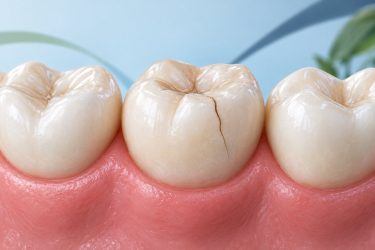
- A crack or fracture in the tooth. The crown may loosen when the underlying tooth breaks or loses part of the buildup that once supported it.
- Grinding or clenching. Repeated heavy forces can stress crowns, cement, and natural tooth structure. Our guide to teeth grinding and clenching explains how bruxism can damage restored teeth over time.
- Sticky or very hard foods. Caramel, taffy, hard candy, ice, and similar foods can dislodge a crown that has already started to loosen.
- Changes in the bite. A crown that takes excessive pressure during chewing may loosen, chip, or feel different over time.
- Wear or damage to the crown itself. Ceramic and other crown materials can develop chips, cracks, worn edges, or changes that affect the seal.
The reason matters since the repair needs to address what caused the failure. Simply cementing a crown back onto a decayed or fractured tooth can hide a problem that still needs treatment. During your visit, we check the crown margins, remaining tooth structure, bite, surrounding gums, and signs of decay before deciding how to restore the area.
What Does the Tooth Under a Crown Look and Feel Like?
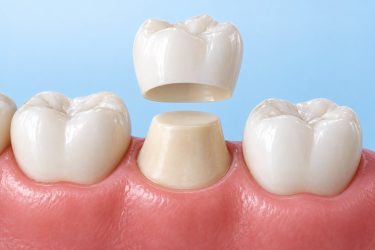
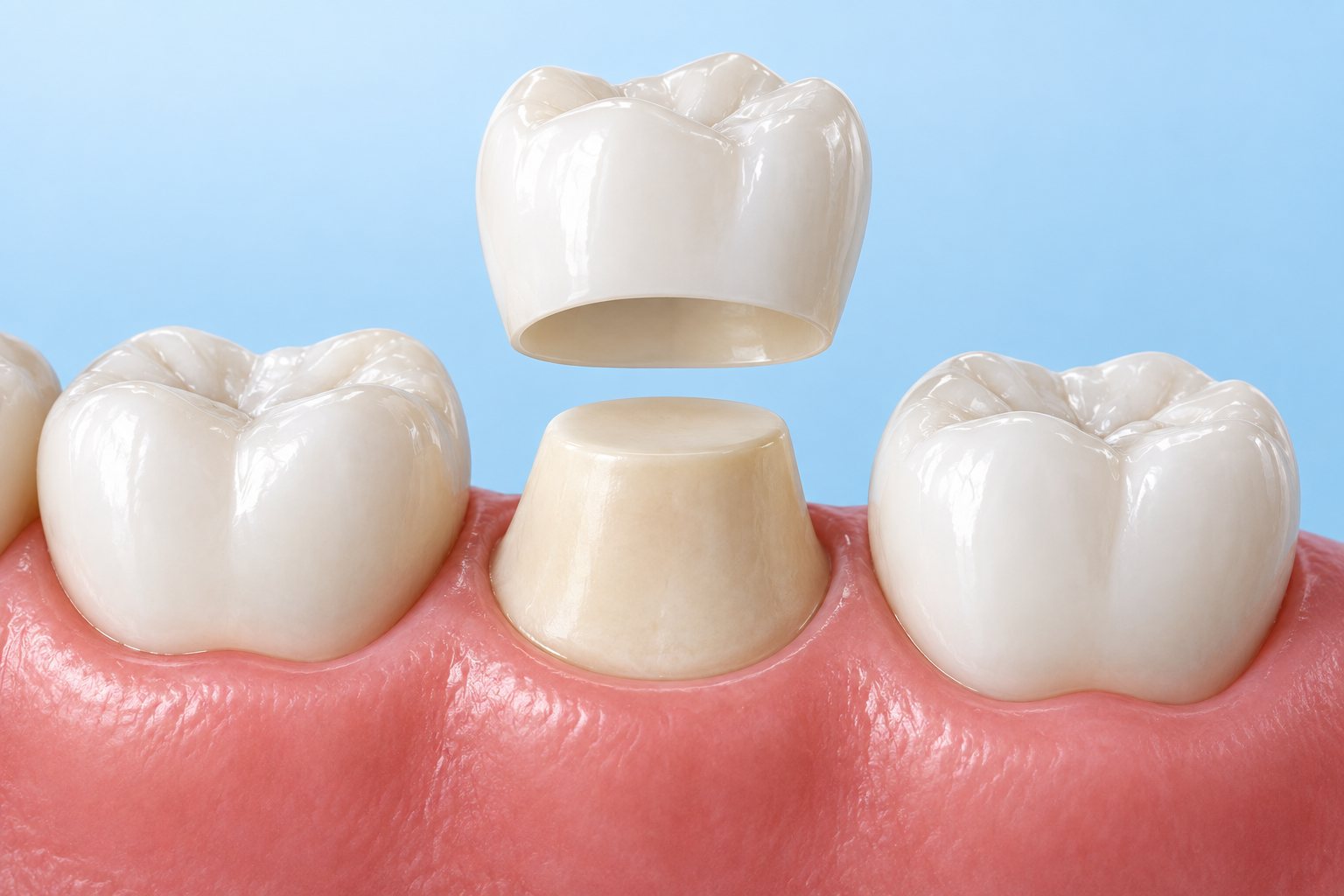
The tooth underneath can look surprisingly small when you see it without the crown for the first time. That appearance is often normal after crown preparation, since a dentist shapes the tooth so the restoration can fit securely over it.
The Tooth May Look Shorter or Narrower
A prepared tooth usually has less enamel and a more tapered shape than neighboring teeth. You may see a pale, yellowish, gray, or darker surface depending on the natural tooth, previous fillings, buildup material, and any earlier treatment.
The Surface May Feel Rough
Your tongue may notice rough edges, remaining dental cement, or buildup material that the crown normally covers. Leave the surface alone rather than scraping at it. Removing material yourself can damage the preparation and change how the crown fits.
Sensitivity Can Appear Quickly
Air, cold water, sweets, or chewing pressure may feel uncomfortable once the crown is gone. The crown normally covers and insulates the prepared tooth. Sensitivity does not automatically mean the nerve is damaged, but persistent or severe pain deserves an exam.
A Root Canal-Treated Tooth May Feel Very Different
A tooth that previously had root canal therapy may have little or no response to temperature since the pulp tissue has already been removed. The remaining tooth still needs structural protection. A loose, cracked, or missing restoration can also give bacteria a path toward a previously treated tooth, which is one reason we take lost crowns on root canal-treated teeth seriously.
My Crown Fell Off but It Does Not Hurt. Do I Still Need a Dentist?
Yes. Pain gives us useful information, but a painless tooth can still need attention after a crown comes off. The prepared tooth has lost the restoration that protects it from chewing pressure, food, plaque, and changes in the bite.
A root canal-treated tooth may stay completely quiet even when the crown is gone. Other teeth simply have not become irritated yet. Waiting for pain can give a weakened tooth more time to chip or decay.
| What We Find | What May Happen Next |
|---|---|
| Crown is intact and the tooth is healthy | We may be able to clean the area, recement the crown, and check your bite. |
| Decay has developed underneath | We remove the decay and determine how much healthy tooth remains before restoring it again. |
| Part of the tooth or buildup has fractured | The tooth may need rebuilding, a new crown, or another restorative treatment. |
| The tooth previously had a root canal | We check the seal, remaining structure, crown fit, and signs of reinfection or fracture. |
| The crown no longer fits correctly | A new crown may provide a safer and more predictable fit. |
Call us even when you feel fine. A straightforward recementation is much easier than repairing a prepared tooth after it fractures under normal chewing pressure.
Why a Lost Crown Matters on a Root Canal-Treated Tooth
Crowns often protect molars and premolars after root canal treatment since these teeth handle strong chewing forces. Once that crown comes off, the tooth may have less structural protection even though it does not feel sensitive.
A missing or damaged restoration can also compromise the seal over a previously treated tooth. The American Association of Endodontists notes that a loose, cracked, or broken crown can expose a root canal-treated tooth to bacteria and contribute to new infection.
When you come in, we check for cracks, recurrent decay, loosened buildup or post material, and signs that the root canal-treated tooth has changed. Digital X-rays can help us evaluate the root and surrounding bone. Some teeth simply need the crown recemented or replaced. Others may need root canal retreatment when infection has returned.
Pain, swelling, a bad taste, a gum bump, or tenderness around a previously treated tooth deserves prompt attention. Our article on tooth abscess symptoms and treatment explains the warning signs that can appear when infection reaches the tissues around a tooth root.
Can We Put the Same Crown Back On?
Often, yes. Recementing the original crown can be a good option when the restoration remains intact, still fits precisely, and the tooth underneath has not changed significantly.
What Makes a Crown Reusable?
We look closely at the inside and outside of the crown, then test how it seats over the prepared tooth. The crown needs to fit fully without rocking, leaving open margins, or changing your bite. We also need enough healthy tooth structure to support it.
A crown that meets those conditions may only need cleaning and fresh dental cement. Before you leave, we check your bite so the restored tooth does not take excessive pressure.
When a New Crown Makes More Sense
A replacement may be safer when the old crown has cracked, worn, distorted, or lost the fit it once had. Changes underneath the restoration can also prevent reuse. Decay, a fractured cusp, a failed core buildup, or gum changes may alter the shape of the tooth enough that the original crown no longer seals correctly.
Sometimes the Tooth Needs Treatment First
The crown cannot protect a problem that still sits underneath it. We may need to remove decay, rebuild weakened tooth structure, treat an inflamed or infected pulp, or address a fracture before placing another restoration. Our crowns and bridges service uses digital X-rays and scans to help plan the fit, material, and bite when a new crown is needed.
Bring the crown with you even if you think it looks unusable. Seeing the restoration often gives us important clues about where the failure occurred and how much of the original tooth may still be preserved.
What If Part of My Tooth Came Off With the Crown?
A crown can come off with more than cement attached. You may see natural tooth structure, an old filling, buildup material, or part of a post inside the restoration. That can look alarming, but the amount and location of remaining tooth structure matter more than the appearance of the loose crown by itself.
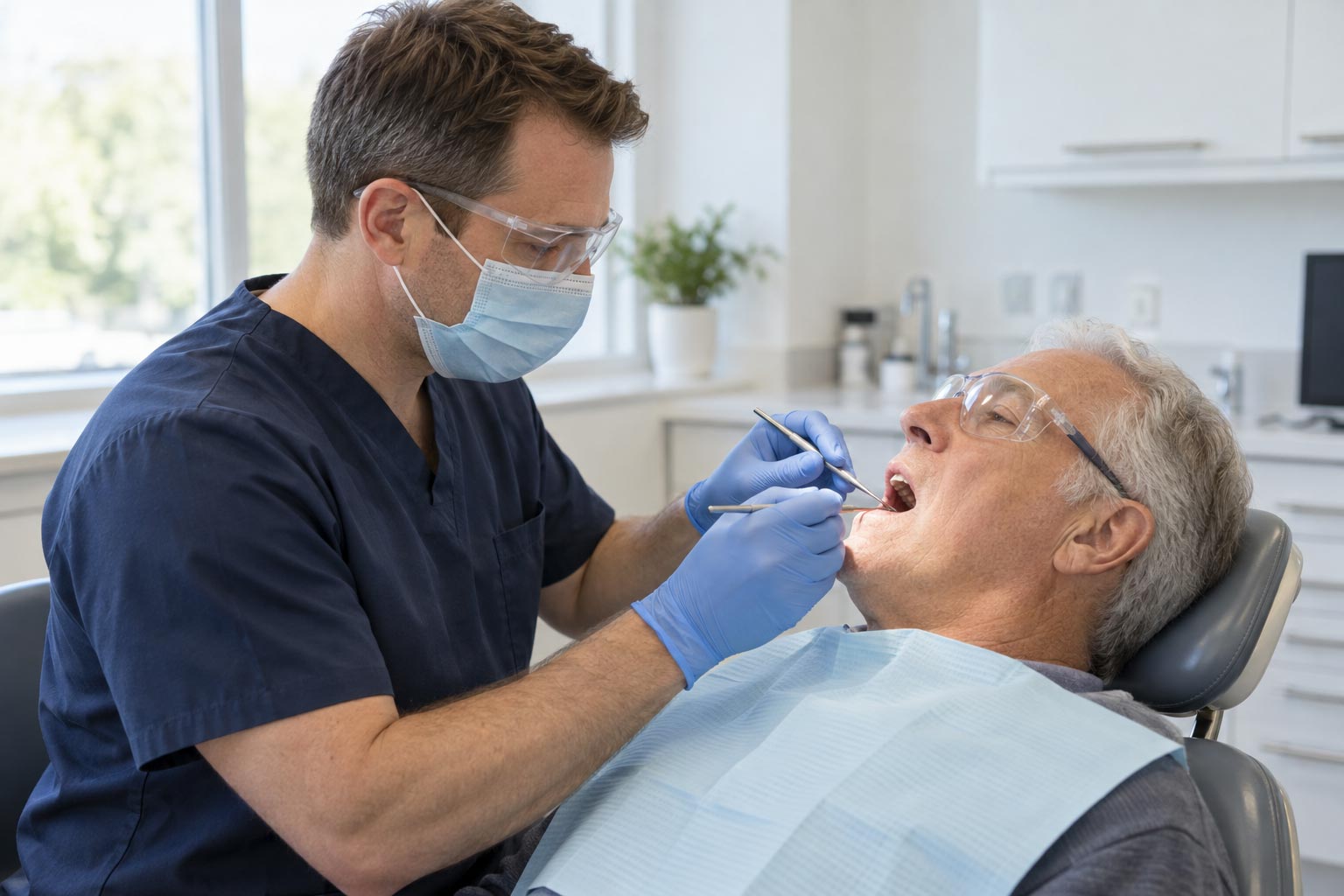
During the exam, we check:
- How much strong tooth remains above the gumline and if it can support another restoration.
- The location and depth of any fracture, especially cracks that extend toward the root.
- Decay beneath the old crown or around the crown margin.
- Previous root canal work, including any core buildup or post that helped retain the restoration.
- The health of the root, gums, and surrounding bone on the exam and dental images.
- The fit of the old crown against the remaining tooth structure.
A tooth with a solid foundation may be rebuilt and covered again. Larger fractures can require a new buildup and crown, and pulp involvement may lead to root canal treatment. Deep root fractures or severe loss of tooth structure can make extraction more predictable than repeated repairs.
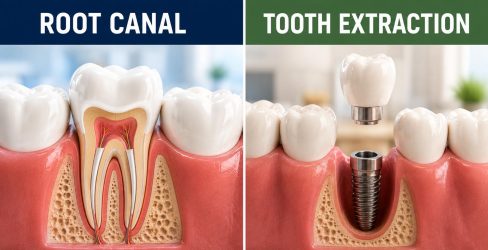
When saving and removing a damaged tooth are both being considered, our guide to root canal vs. tooth extraction explains the differences in treatment, recovery, cost, and long-term planning.
Bring the crown and any loose pieces to your appointment. Small fragments can help us understand what failed and how much of the original tooth remains.
What If the Tooth Under My Crown Looks Dark or Black?
A dark area under a lost crown can look serious, but color by itself cannot tell us what is happening. Several materials and dental changes can create gray, brown, or black areas around a prepared tooth.
Old Dental Materials Can Look Dark
Metal posts, older filling materials, buildup materials, and staining can look much darker once the crown is removed. A root canal-treated tooth may also change color over time.
Decay Is One Possibility
Decay can develop around the edge of a crown and spread underneath it. We look for softened tooth structure, open margins, breakdown around the preparation, and changes visible on dental X-rays.
A Dark Tooth May Need More Than a Visual Check
A photograph or mirror view only shows the surface. We may need an X-ray to evaluate the root, surrounding bone, previous endodontic work, and areas hidden below the gumline. Our dental checkup service uses digital X-rays and a detailed exam when imaging can help explain what is happening beneath the surface.
Do not assume the tooth is decayed or unsalvageable based on color alone. Let us examine it first. Once we know what the dark area represents, we can tell you if the crown can go back on or if the tooth needs treatment before we restore it.
Temporary Crown Fell Off vs. Permanent Crown Fell Off
Temporary and permanent crowns both protect prepared teeth, but they use different materials and cements. A temporary crown is designed for short-term use and easier removal when the final restoration is ready. A permanent crown is designed to stay securely in place for years.
| Comparison | Temporary Crown | Permanent Crown |
|---|---|---|
| Why it may come off | Temporary cement has lower retention, and sticky foods or chewing pressure may loosen it. | Cement failure, decay, fracture, wear, grinding, or changes in the bite can affect retention. |
| What the tooth needs | Protection while the final crown is being completed. | An exam to find out why the long-term restoration failed. |
| What we may do | Recement or replace the temporary crown and protect the preparation. | Recement the existing crown or repair the tooth and make a new crown when needed. |
| How quickly to call | Promptly, especially with sensitivity or a newly prepared tooth. | Promptly, even without pain, so the prepared tooth stays protected. |
A temporary crown still matters even though you only wear it for a short time. It helps protect the tooth, maintain contacts with nearby teeth, and keep the area stable while the final crown is completed.
Gold Coast Dental also offers same-day dental crowns for appropriate cases. Digital scanning and in-office CAD/CAM technology can sometimes let us design, create, and place a permanent crown in one visit, eliminating the temporary-crown stage altogether.
Can You Glue a Crown Back On at Home?
Do not use superglue, nail glue, craft glue, or household adhesives to put a dental crown back on. These products are not designed for oral tissues or dental restorations, and they can make the crown harder to clean and fit correctly when you reach the office.
Temporary crown cement sold for dental use can provide short-term help in some situations. The crown should fit back over the tooth easily and sit in the correct position. Never force it into place, alter the crown, file the tooth, or use a product that is not intended for temporary dental repair.
Before trying temporary cement:
- Rinse the crown gently and keep it clean.
- Make sure there is no obvious broken tooth structure blocking the fit.
- Stop if the crown feels high, crooked, tight, or unstable.
- Avoid temporary recementation when you have significant pain, swelling, bleeding, or a visibly fractured tooth.
- Call us when you are unsure. We can tell you the safest way to protect the area until your appointment.
A home repair should never replace a dental evaluation. We still need to check why the crown came off and make sure the tooth underneath can safely support it.
How Long Can You Leave a Crown Off?
There is no single safe number of hours or days that applies to every lost crown. A prepared tooth should stay uncovered for as little time as practical, especially when it is sensitive, heavily restored, root canal-treated, or structurally weak.
Chewing pressure can fracture exposed tooth structure. Food and plaque can collect around the preparation, and temperature changes may trigger sensitivity. Teeth can also shift slightly over time, which may change the way an existing crown fits.
Call us when the crown comes off rather than waiting for pain. A short delay may still allow us to recement an intact restoration, but we cannot tell how much risk the tooth has without knowing its condition. We can ask about your symptoms and help you choose an appropriate appointment time.
A crown that has been off for days or weeks can still be repairable. Bring it with you. We would rather evaluate the tooth than have you assume too much time has passed to save the restoration.
What Can You Eat Until Your Crown Is Fixed?
You can eat while waiting for your appointment, but use the opposite side of your mouth and choose foods that place less pressure on the exposed tooth.
Easier choices include eggs, yogurt, oatmeal, pasta, rice, soft vegetables, soups that are not extremely hot, tender proteins, and other foods that require light chewing.
For now, avoid ice, hard candy, nuts, popcorn kernels, sticky caramel, taffy, chewing gum, and very crunchy foods. A sensitive tooth may also react to very hot or cold drinks.
Rinse gently after meals if food collects around the prepared tooth. Keep brushing, but use a light touch around tender gum tissue. Once we examine the tooth, we can tell you how much chewing pressure it can safely handle and when you can return to your normal diet.
How We Treat a Lost Crown at Gold Coast Dental
A lost crown can be a simple cement failure or the first sign of a bigger problem underneath. Our repair process focuses on finding the cause, protecting the remaining tooth, and choosing a restoration that fits your bite and oral health.
- We inspect the crown and the prepared tooth. We check the crown for cracks, worn margins, damage, and old cement. The tooth gets a close look for decay, fracture, weakened buildup material, gum irritation, and structural loss.
- We check the root and surrounding tissues when needed. Digital X-rays can reveal decay, bone changes, prior root canal treatment, or other problems that a visual exam cannot show. An intraoral camera can help us examine hard-to-see margins and show you what we are seeing.
- We test the crown fit. An intact crown may still fit precisely. We check how fully it seats, how the edges meet the tooth, and how your bite feels before deciding to reuse it.
- We recement crowns that remain healthy and stable. After cleaning the crown and tooth, we can place fresh dental cement and check the bite before you leave.
- We repair underlying damage before restoring the tooth. Decay, a broken buildup, a crack, or pulp damage may need treatment first. The repair can range from rebuilding tooth structure to endodontic care when the pulp or previous root canal is involved.
- We make a new crown when the old one no longer provides a reliable fit. Our crowns and bridges service uses digital scanning and modern restorative materials, and same-day crown treatment may be available for suitable cases.
We explain what we find before treatment begins. You should know why the crown failed, what can still be saved, and how the recommended repair will protect the tooth going forward.
How Much Does It Cost to Fix a Crown That Fell Off?
The cost depends on why the crown came off and what the tooth needs now. Recementing an intact crown can involve much less treatment than replacing a damaged crown or rebuilding a tooth with decay, fracture, or infection.
Gold Coast Dental currently publishes the following crown-related estimates:
| Treatment | Estimated Cost | What May Affect the Price |
|---|---|---|
| Recement an existing crown | Personalized estimate | Crown condition, fit, remaining tooth structure, and any additional treatment needed |
| New dental crown | $900-$2,500 | Crown material, tooth location, complexity, and restorative needs |
| Zirconia or implant crown | Up to $3,200 | Material selection and implant involvement |
| Additional treatment before the crown | Varies | Decay removal, buildup, root canal treatment, retreatment, fracture repair, or other care |
A lost crown can require more than one procedure when the tooth underneath has changed. New decay may need to be removed and rebuilt before a crown fits again. A painful or infected tooth may need root canal therapy. A fractured tooth may need a different restorative plan entirely.
We review the tooth, any needed X-rays, your insurance benefits, and the recommended treatment before you commit. Gold Coast Dental accepts most PPO and many HMO plans and offers financing options. You can also review our crowns and bridges service for current information about crown materials, insurance, and restorative care.
Pricing is provided for general reference only and is not guaranteed. Actual treatment costs can vary based on your individual needs, insurance coverage, materials, tooth location, and treatment complexity. Prices may change without notice. Call Gold Coast Dental at (562) 242-1411 for current pricing and a personalized treatment estimate.
How Can You Keep a Crown From Coming Off Again?
Crowns handle daily chewing forces for years, so both the restoration and the tooth underneath need regular care. Gold Coast Dental notes that crowns often last 10 to 15 years or longer with good oral hygiene and routine dental visits.
A few habits can help protect your restoration:
- Brush twice a day and floss around the crown. Plaque around the crown margin can contribute to decay underneath the restoration.
- Avoid chewing ice and using teeth as tools. Hard objects can chip ceramic, stress cement, and fracture natural tooth structure.
- Use care with very sticky foods. Taffy, caramel, and similar foods can pull on restorations.
- Treat grinding and clenching. Heavy nighttime forces can damage natural teeth and crowns. A custom night guard may help when bruxism is part of the problem.
- Pay attention to movement or bite changes. A crown that starts rocking, clicking, feeling high, or trapping food deserves an exam before it comes off completely.
- Keep regular dental checkups. During a dental checkup, we can examine restoration margins, your bite, gum health, and signs of decay that may not hurt yet.
A loose crown is easier to address before it fully separates from the tooth. Call us when something feels different rather than waiting for the restoration to fail during a meal.
Lost a Crown? Let Us Take a Look
A crown that comes off can leave the tooth sensitive and easier to damage even when it does not hurt right away. Saving the crown and having the tooth checked promptly gives us the best chance to understand why it failed and choose the simplest reliable repair.
At Gold Coast Dental, we can inspect the crown, examine the tooth underneath, take digital images when needed, and explain if the existing restoration can go back on. When a new crown is needed, our restorative team can discuss materials, same-day treatment when appropriate, insurance benefits, and the expected cost before you move forward.
Schedule an appointment with Gold Coast Dental if your crown came off, feels loose, or no longer fits the way it should. You can also call (562) 242-1411 or find a Gold Coast Dental location near you in California or Texas.
Complimentary New Patient Offer
Get Seen by a Dentist Today
Your initial exam and X-rays are complimentary. Call Gold Coast Dental or choose your nearest location and book an appointment online.