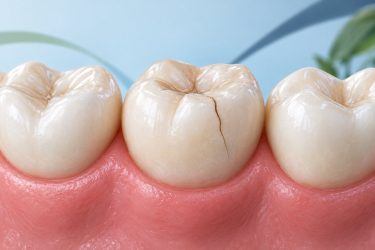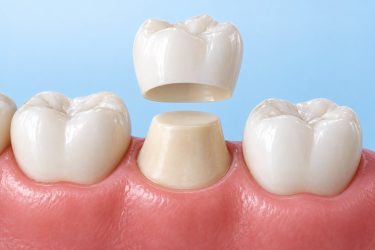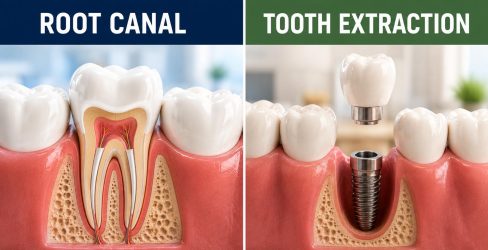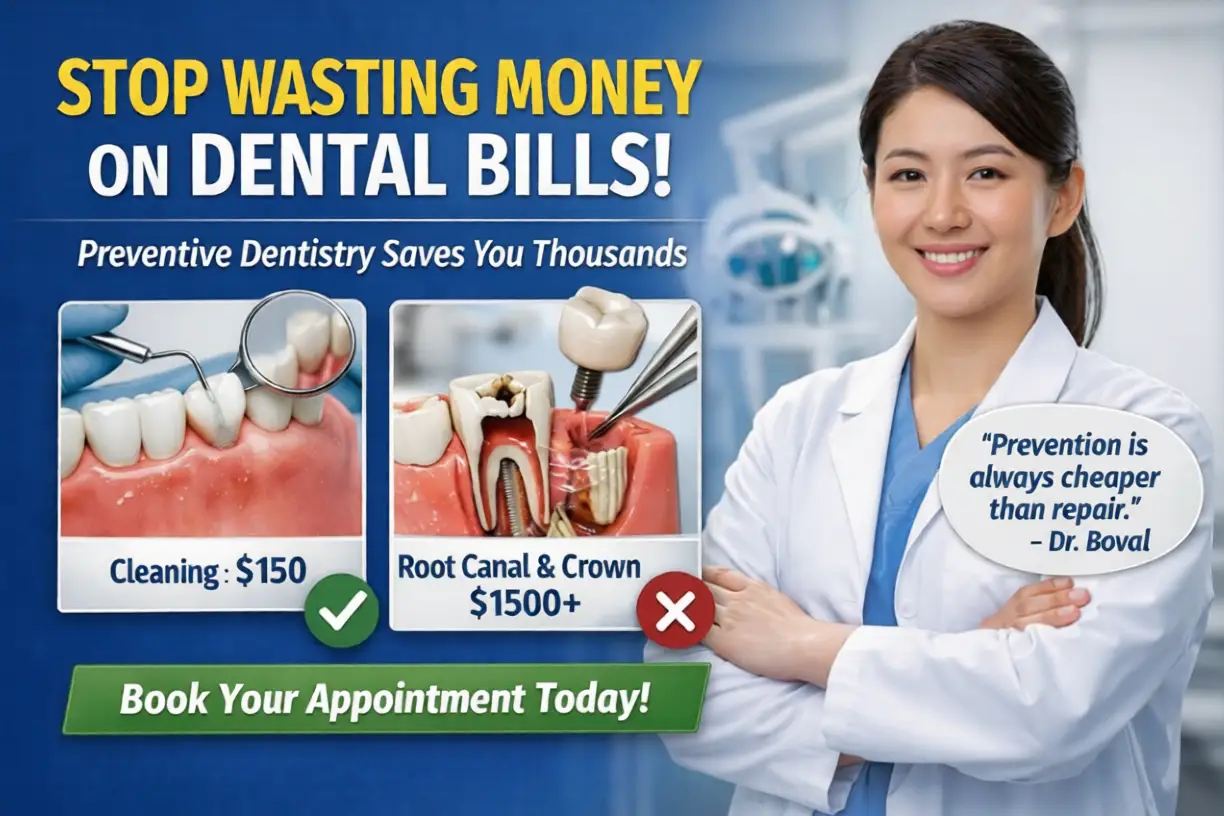
Preventive dentistry is the most effective way to keep dental costs under control while protecting long-term oral health. When patients maintain routine preventive dental care, dentists can spot small problems early before they turn into expensive treatment such as crowns, root canals, or implants.
Across the United States, dental teams see the same pattern: people delay routine care until a minor issue becomes painful. At that point, treatment tends to be more complex and more expensive.
Clinical note (credibility signal): As Dr. Alan Boval, DDS, explains: “Most of the expensive dental treatments we perform today began as very small problems that could have been prevented with routine care. Prevention is always easier and much more affordable than repair.”
Preventive dentistry focuses on early detection, enamel protection, and gum health. These steps help patients keep teeth strong and reduce surprise dental emergencies.
The High Cost of Waiting: Why Skipping the Dentist Is Costing You Thousands
Many patients underestimate the hidden costs of skipping dental checkups. Dental disease often develops slowly, without obvious symptoms at first.
A small cavity may not cause pain for months. During that time, bacteria continue damaging the tooth. What might have required a simple filling can later involve infection, tooth structure loss, and more extensive treatment.
Cost reality check: If you are wondering exactly how much preventive dentistry saves in the long run, the numbers usually make the point faster than any lecture.
| Treatment | Typical Cost (U.S.) |
|---|---|
| Routine cleaning and exam | $100 – $200 |
| Dental filling | $200 – $500 |
| Root canal + crown | $1,200 – $2,500 |
| Dental implant | $3,000 – $5,000 |
Prices vary by region and complexity. This table is educational, not a quote.
What Is Preventive Dentistry?
Preventive dentistry refers to dental services and daily habits designed to stop oral disease before it requires restorative procedures.
Routine preventive dental care usually includes:
- Dental examinations
- Professional teeth cleaning (dental prophylaxis)
- Digital dental X-rays when clinically indicated
- Fluoride treatments
- Oral cancer screening
- Dental sealants for children and higher-risk patients
- Personalized oral hygiene recommendations
Many patients also ask what is considered routine preventive dental care, especially when reviewing insurance benefits. Most plans classify exams, cleanings, and diagnostic imaging as preventive services, but coverage and frequency limits can differ by plan.
The 4 Pillars of a Healthy, Budget-Friendly Smile
Preventive dentistry is built on four key services that work together to protect oral health.
- Dental examinations: evaluation of tooth structure, restorations, gum health, and bite alignment
- Professional dental cleanings: removal of plaque and hardened tartar that cannot be removed at home
- Diagnostic imaging: dental X-rays to identify cavities and infections hidden from view
- Fluoride and prevention: fluoride varnish and sealants to strengthen enamel and reduce decay risk
Dental Cleanings: Your First Line of Defense Against Plaque and Tartar
Professional dental cleaning, often called dental prophylaxis, is one of the most reliable ways to prevent tooth decay and gum disease.
Plaque is a bacterial biofilm that forms on tooth surfaces. When plaque is not removed regularly, minerals in saliva can harden it into calculus (tartar). Once tartar forms, brushing alone cannot remove it.
How Professional Teeth Cleaning Removes Tartar
Patients often ask how professional teeth cleaning removes tartar. A typical cleaning includes:
- Ultrasonic scaling to break apart tartar deposits
- Hand instruments to clean along the gumline
- Polishing to smooth enamel surfaces
- Fluoride treatment when indicated
Patients frequently ask whether can regular dental cleanings prevent gum disease. Yes, because removing plaque biofilm reduces inflammation that leads to gingivitis and helps lower the risk of periodontitis when paired with good home care.
How Often Do You Really Need a Professional Teeth Cleaning?
Many people wonder how often should I get a dental cleaning and exam. A common schedule is every six months, but the best interval depends on your risk profile.
Factors that can change cleaning frequency include:
- History of cavities
- Gum disease risk or past periodontal treatment
- Smoking or tobacco use
- Dry mouth (medications, mouth breathing, health conditions)
- Orthodontic appliances
- Diet pattern and how often sugars/acidic drinks occur
What Happens During a Routine Dental Exam?
Patients often ask what happens during a routine dental exam. A routine exam usually includes:
- Visual inspection of tooth surfaces for decay, cracks, or wear
- Assessment of existing fillings, crowns, and margins
- Gum evaluation (bleeding, pocket depth, recession)
- Bite evaluation (occlusion, wear patterns, fracture risk)
- Review of oral hygiene habits and risk factors
Dentists also review medical history and medications because conditions such as diabetes or dry mouth can raise cavity and gum risk.
What Your Dentist Looks for During a Comprehensive Exam
Preventive exams include screening beyond teeth. Dentists examine oral soft tissues to spot abnormalities early.
- Lips
- Tongue
- Floor of the mouth
- Palate
- Cheeks
- Jaw and lymph nodes
Digital X-Rays: Seeing the Hidden Dangers Beneath the Surface
Some dental problems are not visible in a mirror or even with a bright exam light. Early detection of cavities with digital X-rays helps identify decay between teeth before it becomes large and painful.
Digital dental radiographs may help detect:
- Cavities between teeth (interproximal decay)
- Bone loss from gum disease
- Root infections
- Impacted teeth
- Abnormal lesions
Digital vs Traditional Dental X-Rays: Cost and Safety
When comparing digital vs traditional dental X-rays, cost and safety are usually the biggest concerns for patients. Digital imaging tends to offer lower radiation exposure and faster processing compared with older film-based systems.
Digital radiography often provides:
- Lower radiation levels
- Faster image capture and review
- High diagnostic clarity
- Simple electronic storage and sharing
A clinician should recommend X-rays based on clinical need and risk factors, not a fixed calendar rule.
Are Fluoride Treatments Worth It for Adults?
Fluoride treatments are not only for children. Many adults benefit, especially those with higher cavity risk.
Adults may benefit from fluoride varnish or similar applications if they have:
- Dry mouth
- Frequent cavities
- Exposed root surfaces
- Orthodontic appliances
- High sugar exposure throughout the day
Best Age to Start Fluoride Treatments for Kids
Parents often ask best age to start fluoride treatments for kids. Fluoride may begin once primary teeth erupt, especially if a child is at higher risk for cavities. Dentists tailor recommendations based on diet, oral hygiene, and cavity history.
How Often Should Adults Get Fluoride Varnish?
Patients frequently ask how often should adults get fluoride varnish. Frequency depends on risk.
- Every 3–6 months for higher-risk patients
- Every 6–12 months for moderate risk
- Less frequent for low-risk individuals
Preventive Dental Care for Adults vs Children
Preventive dental care for adults vs children differs because risk factors change with age and development.
- Children: fluoride, sealants, monitoring eruption patterns, early decay prevention
- Adults: monitoring restorations, gum health tracking, enamel wear evaluation, oral cancer screening
- Older adults: higher dry mouth risk, root surface decay risk, and restoration maintenance needs
Preventive Dentistry and Gum Disease Prevention
Preventive dentistry reduces gum disease risk by controlling plaque biofilm and tartar buildup around the gumline.
Gum disease often begins with gingivitis. Common signs include:
- Red or swollen gums
- Bleeding when brushing or flossing
- Persistent bad breath
Without treatment, gingivitis can progress to periodontitis, which can cause bone loss and tooth loosening. Regular cleanings and consistent home care lower the chance of progression.
Preventive Dentistry in Southern California
Preventive dentistry is especially relevant for patients in Riverside, the Inland Empire, and Southern California because work schedules and long commutes often lead people to delay routine visits.
Patients searching for affordable preventive dental care near me usually want a clinic that provides cleanings, exams, and imaging with clear pricing and no surprises.
Average Cost of Dental Cleaning Without Insurance
Many patients ask about the average cost of dental cleaning without insurance. In the U.S., routine cleanings often fall around $100–$200 depending on location, office fees, and whether X-rays or additional services are needed.
If you are looking for ways to keep costs predictable, ask your office about:
- Membership plans
- Payment plans
- Preventive care bundles
- Dental school clinics (when appropriate)
Maximizing Your Dental Insurance for Preventive Services
Insurance can help, but it is not identical across plans. Patients often ask does dental insurance cover 100% of preventive care. Many plans cover a large portion of exams and cleanings, but frequency limits, deductibles, and X-ray schedules vary.
Before your visit, confirm:
- How many cleanings and exams are covered per year
- Whether bitewing X-rays are covered and how often
- Whether adult fluoride is covered (often it is not)
- Whether periodontal maintenance is coded differently than routine prophylaxis
No Insurance? Smart Ways to Afford Preventive Dental Care Out of Pocket
If you are trying to figure out how to pay for dental cleanings out of pocket, you have options that can make preventive care more manageable without delaying treatment until it hurts.
- Office membership plans
- Discount dental programs
- Dental hygiene or dental school clinics
- Simple payment plans for preventive visits
How Preventive Dentistry Helps Reduce Dental Bills
Preventive dentistry lowers overall costs because it finds problems early and reduces the need for complex repairs.
Patients searching for how to reduce dental bills with preventive dentistry are usually trying to avoid a predictable chain reaction: small cavity → big cavity → root canal → crown → tooth loss.
Plain truth: Routine prevention is the cheapest stage of care. Repair is what happens when time and bacteria win.
Call to Action: Protect Your Smile with Preventive Care
If you want fewer surprise bills and fewer urgent dental visits, preventive dentistry is the simplest plan that keeps costs predictable. Schedule a cleaning and exam, ask your dentist to explain your risk level, and follow a recall interval that matches your situation instead of guessing.
Next step: Book a preventive visit. If you are in California or Texas, ask your clinic for a clear estimate and what your visit includes (exam, cleaning, imaging when needed, and fluoride when indicated).
This article is educational and does not replace a clinical exam. A dentist should diagnose and plan care based on your specific findings.
Complimentary New Patient Offer
Get Seen by a Dentist Today
Your initial exam and X-rays are complimentary. Call Gold Coast Dental or choose your nearest location and book an appointment online.